HomeFeaturesTransport Fever 2
Wot I think: Transport Fever 2Rite of passengers
Rite of passengers
Release:Out nowOn:WindowsFrom:SteamFor:£32, $40, €40
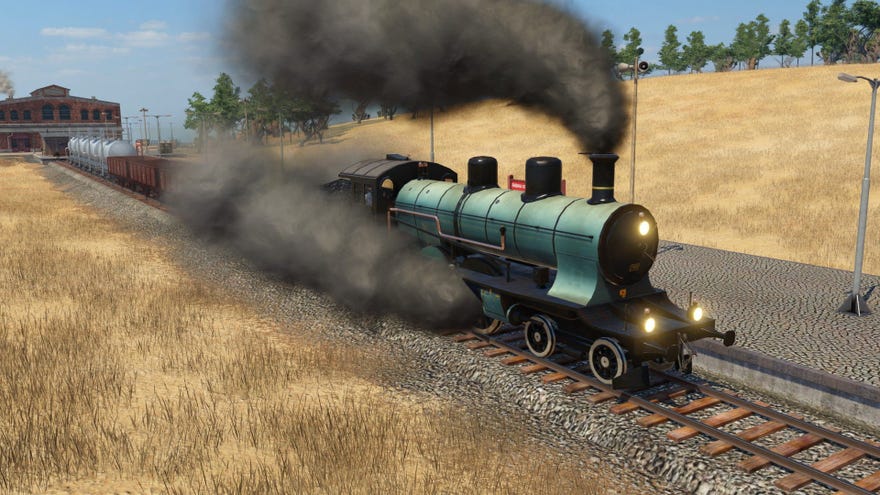
It was day two when I finally contracted transport fever, with the classic symptoms: the aching posterior, the swelling of the pride. I’d built a circular railway, like the kind you see in children’s sets, to connect the mines and factories along the shore of Lake Baikal in Siberia. Then I’d asked my drivers to load their gondolas only halfway with coal, leaving space for iron on top, a glorious layer cake of raw materials. When the train showed up with both goods for the blast furnace, the yield of steel from the previous loop would already be waiting on the platform, ready to be taken down a branch line. There it would be used in the construction of the mother railway: the Trans-Siberian.
This isn’t the kind of gaming anecdote that ends in comedy chaos or unexpected consequences. The railway simply worked. The very best moments inTransport Fever 2unfold exactly as you plan them to. It’s the satisfaction of yelling into a cave and hearing a perfect echo bounce back.
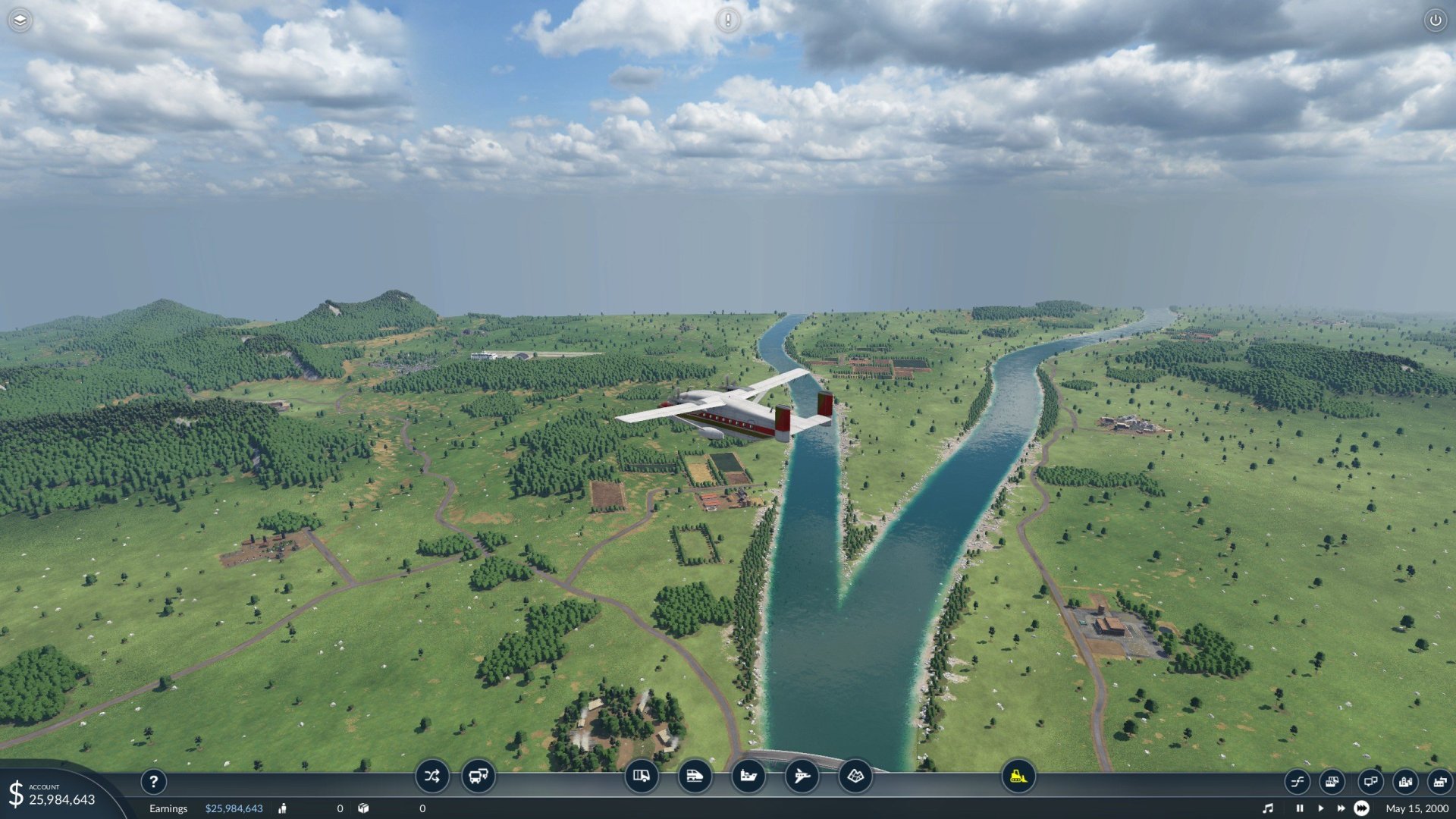
Caves aren’t exactly where Transport Fever 2 begins, but it is a game that takes great pleasure in telling the story of infrastructure from its earliest days. It’s a pitch that stretches the budget somewhat, as the first campaign’s narrator gamely attempts a Nevada pioneer’s drawl, and the wagon stations emit the unmistakable pneumatic hiss of 20th century buses. But the structure is largely welcome, since the history of infrastructure turns out to be one of increasing complexity; it begins with single railroads and cart trails, and ends with one-way routes and bus lanes.
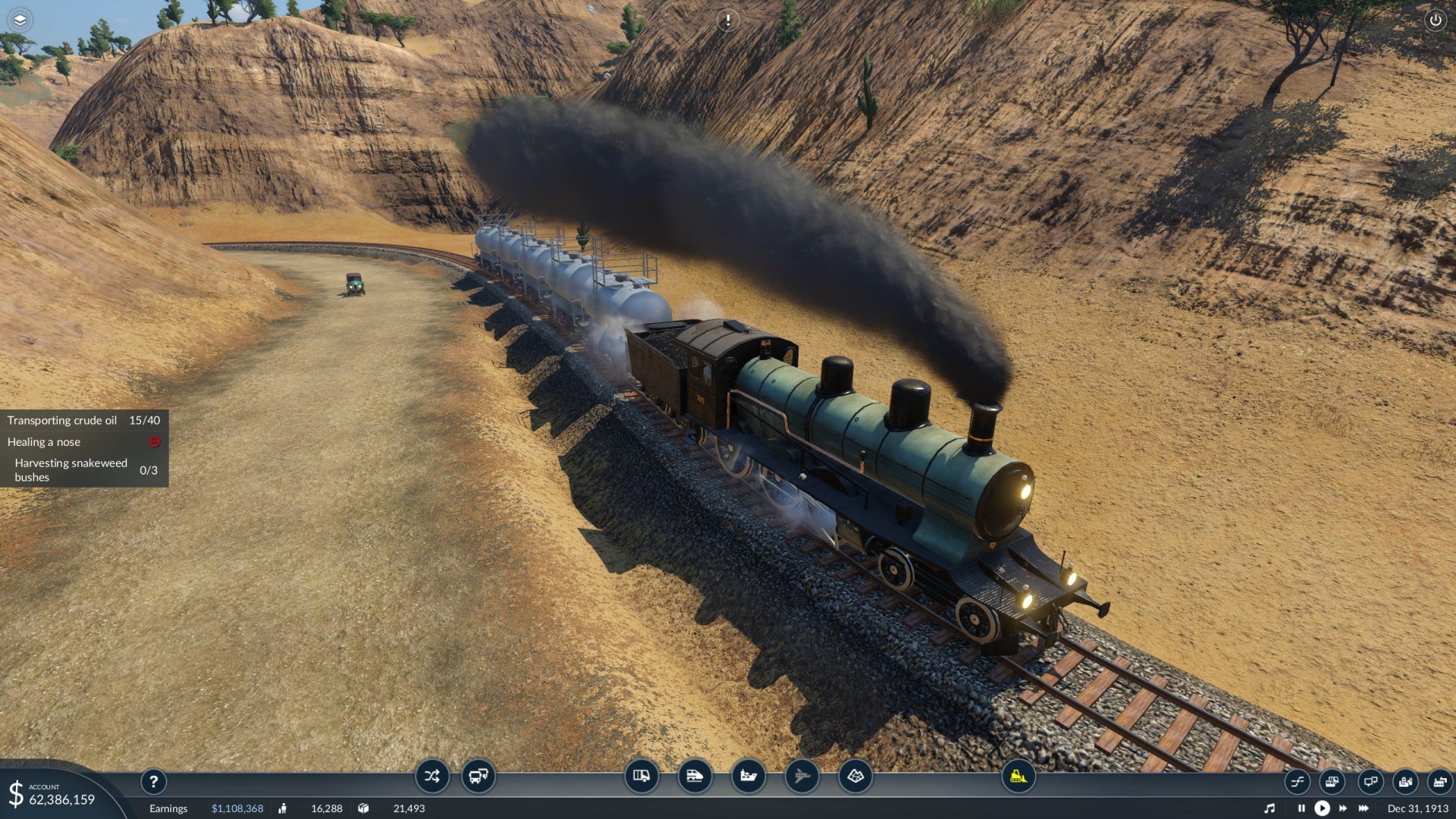
The goal is to make that invisible Sim City player happy, so that they can make you happy in exchange. The trouble is that too much else in Transport Fever 2 is invisible, and that learning to interact with its beautifully organic simulation is a matter of bumbling in the dark.
Even when you get a line up and running, you’re often operating at a loss until the materials accrue to make it a success. Which might not be obvious unless you’re looking at the line statistics screen, opened via a tiny icon in the bottom right. It’s practically Transport Fever 2’s home page, the only way to be certain what’s profitable, and I’m not sure the game ever points it out.
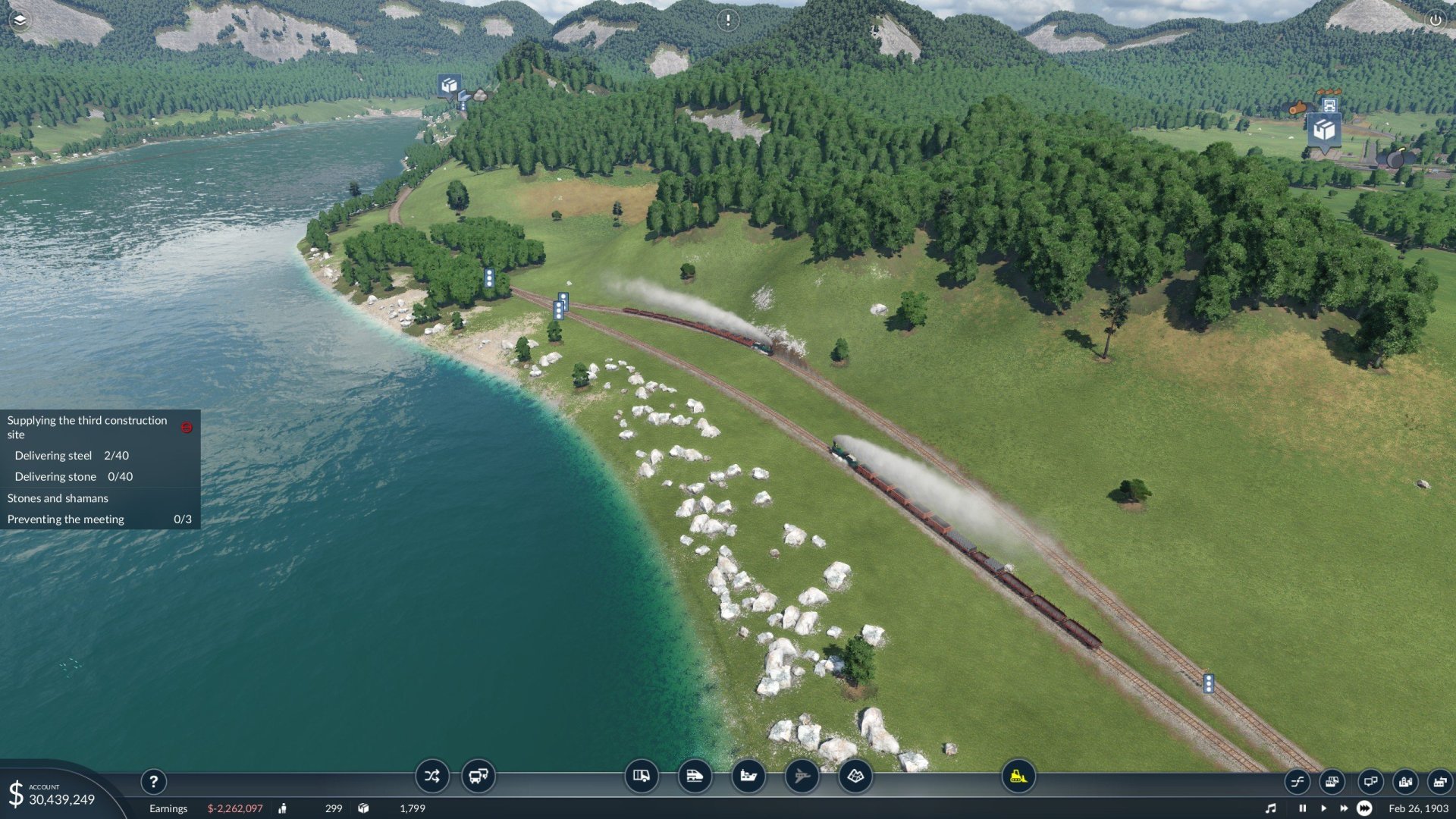
Once you become accustomed to the placement of all these peculiar knobs and levers, however, everything that was counterintuitive starts to make sense. Ofcourseyou can’t tell exactly how much demand there is for a new train route before you build it - that’s not how real business works. You must be the bird, tapping on the earth to bring out the worms.
Sometimes they don’t emerge, and you have to accept the loss - preferably quickly, for the sake of your bank balance. On the flip side, there’s no greater high than discovering a line has taken off and clicking the button to double its fleet of vehicles. It’s an immense and quiet pleasure to slowly coax the potential from a place.
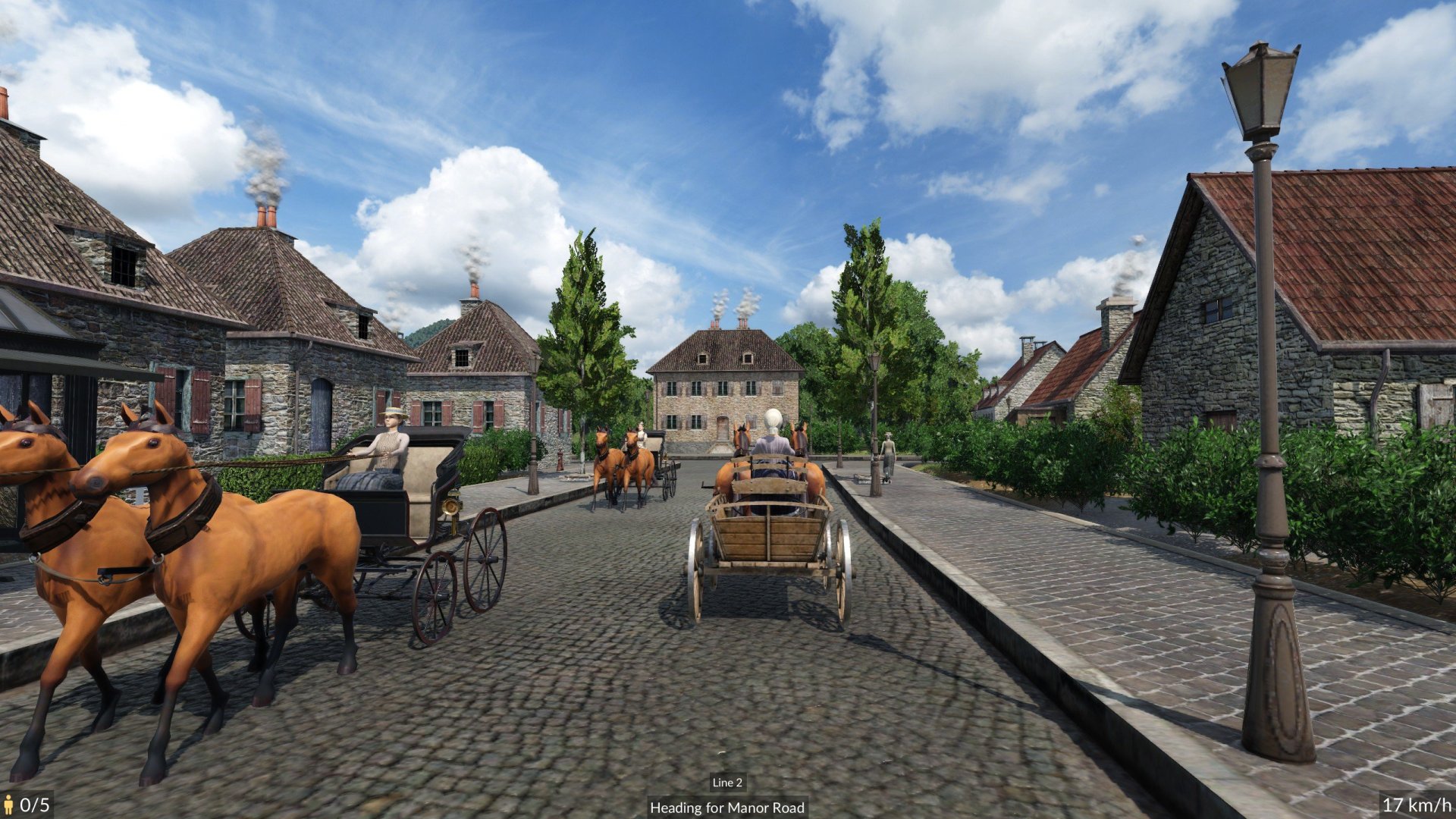
The first of three campaigns opens with a disclaimer that its scenarios deal with stories of historical suffering and oppression - often from the perspective of the oppressors. The island of Java is hailed as a fantastic source of cheap labour for coffee plantations. There’s no way to escape the political dimension of a 1904 mission to build a railway in Baghdad that ends with the command: “Quickly pump out a few more tankfuls of oil and then get out of here”. But the teachings developer Urban Games attempts to impart are, like my bus routes, only intermittently successful. These twists are delivered with gentle irony rather than real weight. Tonally, we’re closer to Tropico thanFrostpunk.
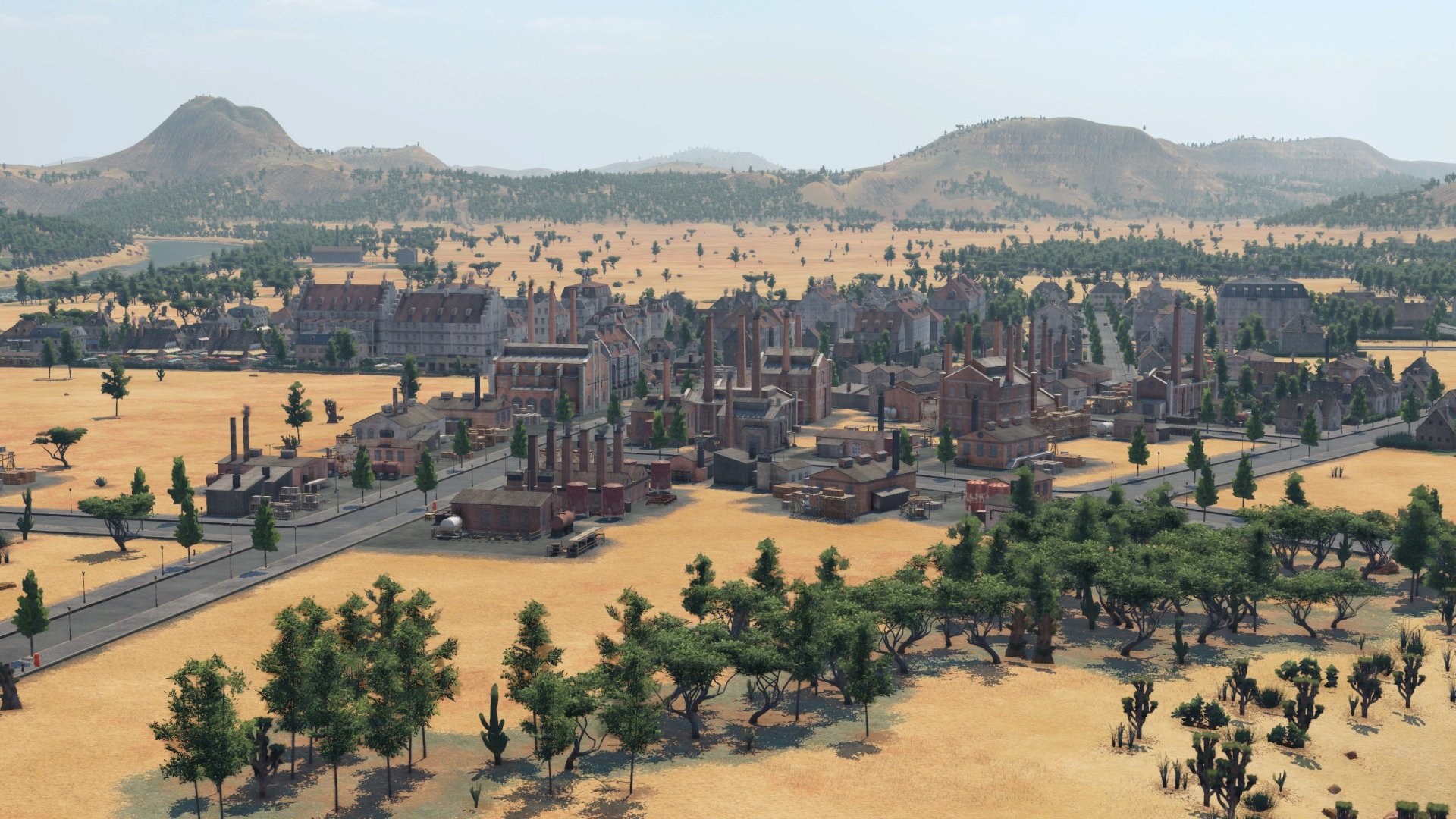
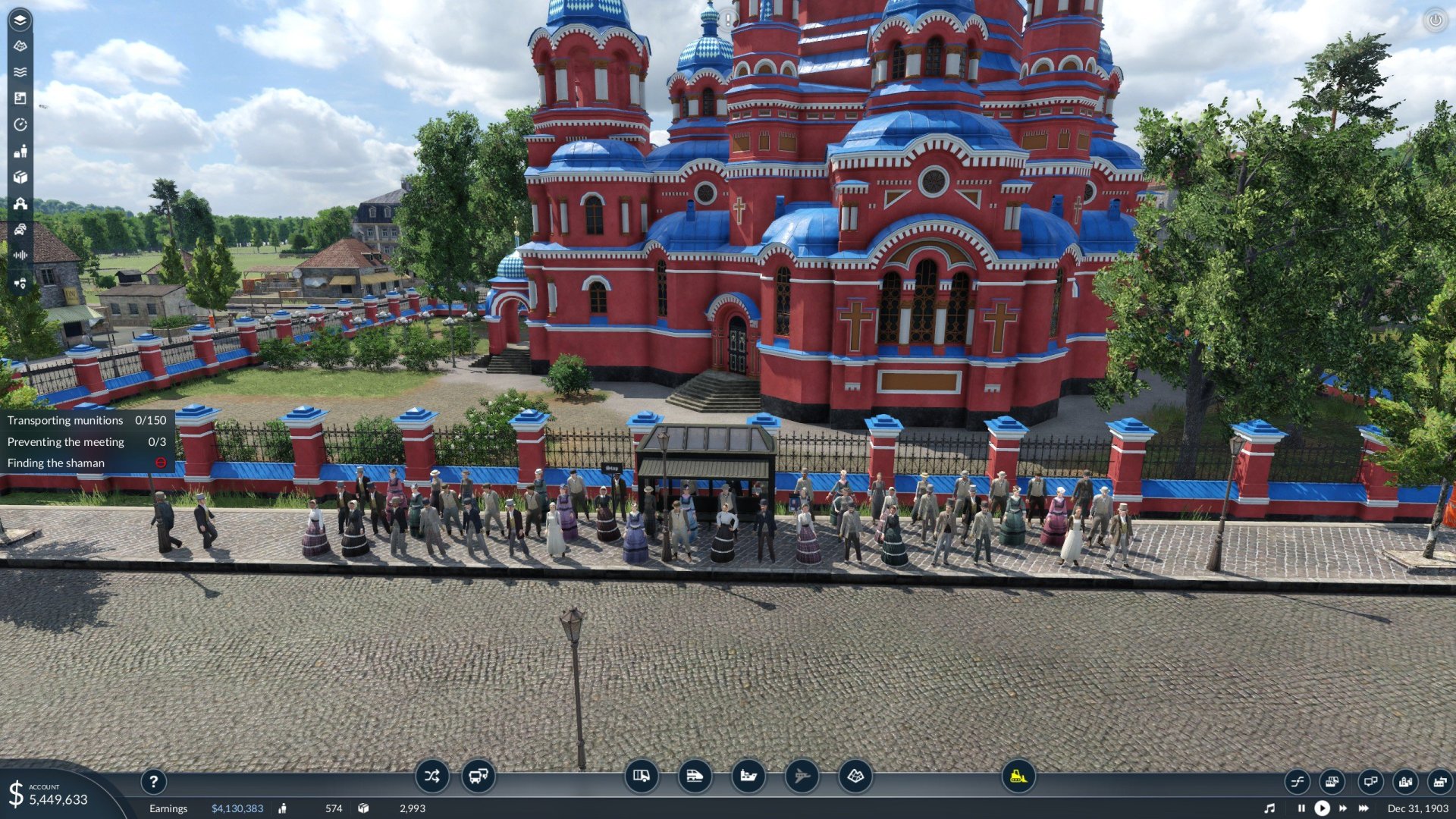
Occasionally, Transport Fever 2’s more overt messaging hits the mark. My contributions to the Trans-Siberian Railway triggered tensions in the east, and before long I was delivering munitions to the front, down that same line I’d been so proud of back when it transported steel. But it’s a game at its best letting you write the script - laying down the lines, setting the routes, diagnosing issues, and owning the results when it comes good.
