HomeFeaturesOutlast
When did horror games become team sports?A fear shared is a fear halved
A fear shared is a fear halved
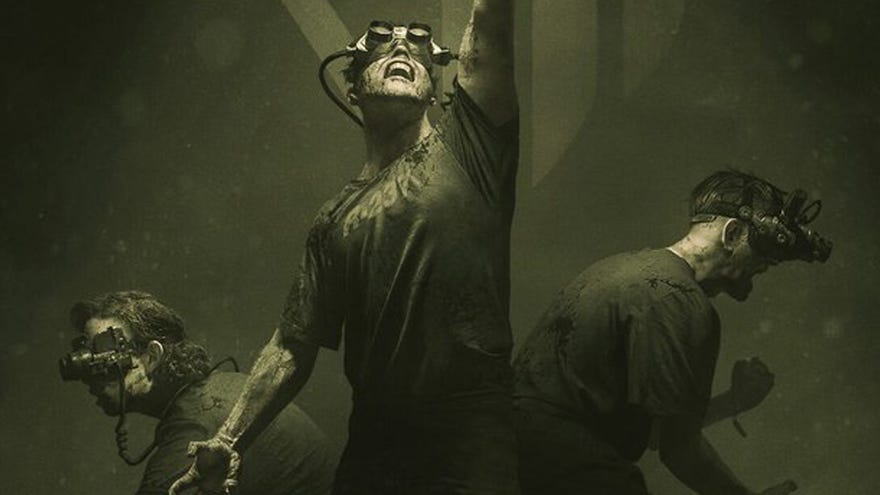
The solo, isolationist terror felt when playing horror on one’s own is seemingly making way for something that favours group interaction, collaboration, and people banding together against a greater evil. Not in all cases, of course, but there is definitely a shift occurring. And look, this isn’t a criticism towards this new trend. I’m enjoying the above games, and others including the hidden gem that is Devour, but even games that were previously single-player horror have fallen prey to the allure of the many-gamer philosophy. Red Barrels’ upcoming Outlast Trials is touted as a multiplayer horror experience, in which players will work together to… well… outlast the nightmare that is the Murkoff Corporation. It still has a single-player campaign, but the latest trailer emphasises a collaborative effort on the part of the players. The tagline even says “we’re in this together.”
Back 4 Blood - Campaign TrailerWatch on YouTube
Back 4 Blood - Campaign Trailer

It isn’t entirely new, of course (Back 4 Blood is, after all, standing on the shoulders ofLeft 4 Dead), but there’s been a definite uptick recently. Multiplayer games are the in thing right now, but I think a lot of it is to do with the fact that, technologically, gaming has advanced several folds over the years. Online servers have become more powerful and reliable, and with the introduction of games as service, although it’s yet to fully take off, games that function as multiplayer titles are currently in demand. This improved tech is part of the reason multiplayer even is the in thing in the first place.
But there is a loss to this, I feel; it’s a kind of Faustian bargain in which playing horror games on with friends on or off stream is fun as hell, but it loses that deeper connection that horror has with the human psyche. While playing online with others is about fun, about teamwork, about skill, and about who is going to get scared the most, but horror isn’t just about how much something can make you jump.
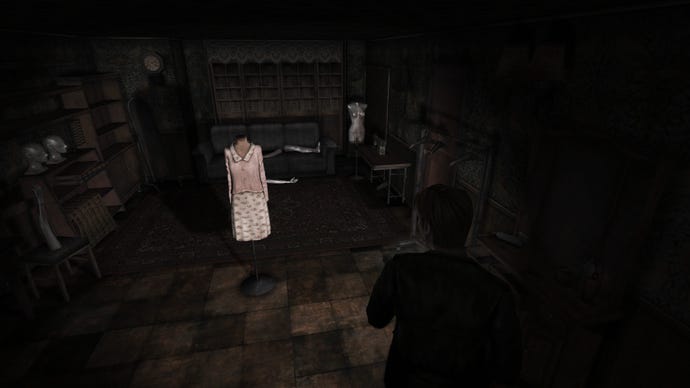
Creepin' around in Silent Hill 2
The spooky fields of Outlast 2
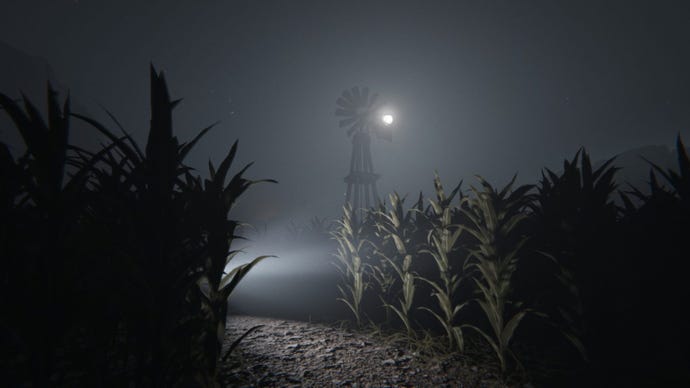
But theOutlastgames provide a perfect comparative example: games that worked because they were single-player, now throwing multiplayer into the mix. Being alone in the Mount Massive Asylum in the first game, or in the rural backwaters of Northern Arizona in the 2017 sequel, is fear-inducing in large part because of your isolation. Trekking through each region, with no defensive items and no true means of escape, is the stuff of nightmares. Though Outlasts past did you jump scares a-plenty, there’s an extra lack of safety that comes from being alone that you just don’t get when playing with others, no matter how spooky the environment. As a series, Outlast puts players up against impossible odds: men, science and supernatural monsters all much stronger than the protagonist. Will this work in a multiplayer experience? That remains to be seen. I have my doubts.
Since the likes of Phasmophobia hit Steam last year, developers have been looking to get in on the team-based horror act. It’s a winning formula that is continuing to inspire other titles, such as the newly releasedForewarned. While not every single game that comes out pertains to a multiplayer experience, it’s these which are pulling focus away from the single player titles, such as Visage or Lost in Vivo both of which I feel are a testament to the power of fright. Not to mention the newResident Evilgames. They may not be as fun to play with friends on a Friday night, but what they lack in merriment, they make up for in abject feeling horror that only comes about when you’re truly alone with the game.
