HomeGuidesTotal War: Warhammer III
Total War: Warhammer 3 beginner’s guide: Total War: Warhammer 3 tips and tricksConquer your enemies and drive back the Daemons with our Total War: Warhammer 3 beginner’s guide
Conquer your enemies and drive back the Daemons with our Total War: Warhammer 3 beginner’s guide
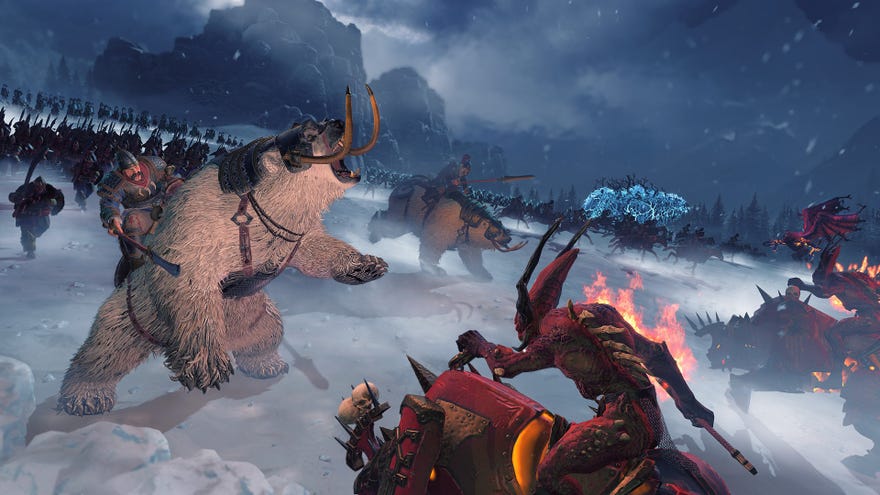
Looking for a Total War: Warhammer 3 beginner’s guide?Humans, Daemons, and Ogres collide in a brutal war, asTotal War: Warhammer 3is finally here. The strategy threequel brings some welcome changes to the series, including a siege battle rework and survival battles that will provide new thrills for Total War enthusiasts. However, if you’re new to the Total War franchise, or have decided to giveTotal War: Warhammer3 a try on Game Pass PC, then you might feel a little lost. Fortunately, we’ve got a simple guide that should help explain everything you need to know.
Below, you’ll find 10 essential tips and tricks for Total War: Warhammer 3 that will explain the basics you need to learn if you want to become a powerful leader and conquer your foes.
On this page:
Total War: Warhammer 3 Is Perfect For New Players | My Fav Thing In… (Review)Watch on YouTube
Total War: Warhammer 3 Is Perfect For New Players | My Fav Thing In… (Review)

Each faction has unique mechanics
This is a beginner’s guide, so let’s start with the basics. Total War: Warhammer 3 has seven playable factions (or eight if you own theOgreKingdoms DLC). These include:
Every faction also splinters into smaller sub-factions, although the differences between these sub-factions are far less substantial. For example, Kislev splits into The Ice Court and The Great Orthodoxy, which have slightly different boons and nerfs for Kislev units and settlements. The Ice Court have more control over their settlements, which will help prevent rebellions, while The Great Orthodoxy gets a leadership boost for certain units, increasing their morale in battle.
As you can see, these unique mechanics and storylines make each faction feel very different, so spend time thinking about which one suits your playstyle best. If you prefer diplomacy and the intricacies of negotiation, you might enjoy Kislev, while warlords and tyrants will prefer playing as one of the Daemon Chaos factions. Kislev are an excellent starter faction if you want to balance diplomacy and war while learning how to use a range of unit types.
For a full ranked list of the factions, check out ourTotal War: Warhammer 3 factions tier list.
Acquire provinces to expand
War is the name of the game
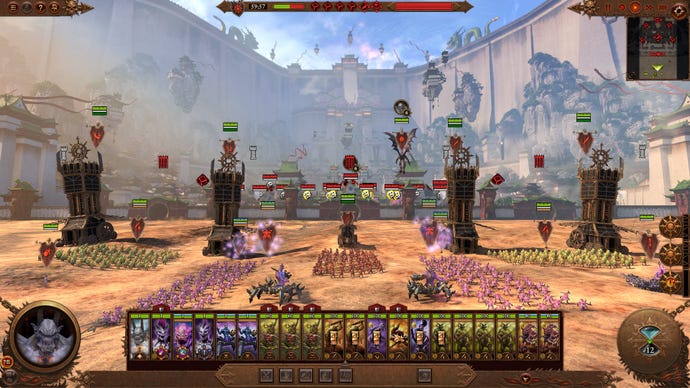
Before you dive into a Total War: Warhammer 3 campaign, you should prepare yourself for a fight. Completing a campaign requires bloodshed, so rallying for battle and holding armies as a deterrent, even when not currently fighting, is essential. Below, we’ll delve into some crucial combat tips that you need to remember if you want to win wars in Total War: Warhammer 3.
Learn unit strengths and weaknesses
Each faction has completely unique units that suit different playstyles. Tzeentch has lots of spellcasters, while Khorne is entirely focused on melee combat, for example. The only exception to this is the Legion of Chaos, which can use a range of units from Khorne, Nurgle, Tzeentch, and Slaanesh. The different units available for each faction will drastically change how you fight.
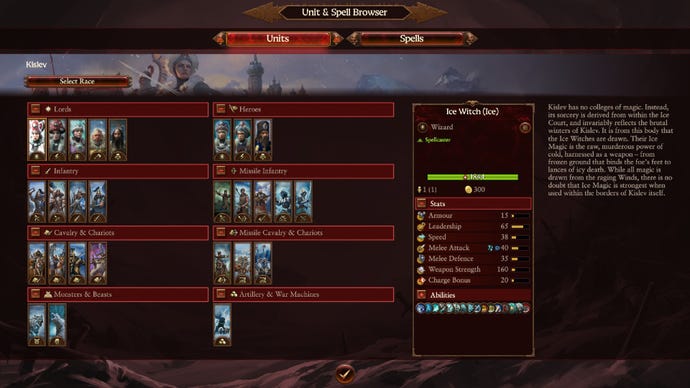
When building your armies, you should use the Unit and Spell browser to learn more about the units for your faction. Found in the top left corner of the screen, you can use this to hover over each unit to learn their strengths and weaknesses, which will help you compose your army.
For example, melee infantry units are a strong foundation, but they’re weak to missile units that fire from afar. To deal with those pesky ranged enemies, you’ll want something that is strong against them, like cavalry. Understanding the strengths and weaknesses of each unit for your faction will help you flesh out your ranks and build a strong party that can fight together to overcome any opponent.
Use the idle hotkey
Whether it’s Daemons emerging from the Realm of Chaos, or hostile factions trying to seize your settlements, war is a necessity in Total War: Warhammer 3. When you go into battle, you’ll need to control a bunch of units with precision, ordering them to attack various enemies and orchestrating strategic tactics that will lead your army to victory. Amidst the chaos, it’s easy to forget about certain units, causing them to stand idle waiting for a command.
Flank with flying units
The key to victory when fighting hostile armies lies in your strategy and tactics. If you find yourself surrounded, the enemies will slaughter your ranks and leave you in a messy state. However, if you manage to get the high ground or flank your opponents, you’ll find yourself on the path to an easy win.
Flanking is an incredibly powerful tactic, and it is easy to execute with flying units. Flying units are nothing new to the Total War franchise, and most factions have flying units that you can recruit in Warhammer 3. However, in Total War: Warhammer 3, flying units can land on the field and engage in melee combat or cavalry charges, making them perfect for flanking. We recommend using flying units to pass over hostile ground units so that you can easily get behind them. Then, use the toggle flight button at the bottom of the units panel to make your flying units land.
When they’re on the ground, you can charge into hostile units from behind, causing massive damage. There are plenty of other tactics that you’ll discover and develop throughout Total War: Warhammer 3, but this is one of the new battle improvements that you should use to your advantage as much as possible.
Recruit lords to gain more armies
As the world expands and you find yourself balancing relationships with a plethora of factions, you might find that you need more armies. These could help you explore in more directions, overpower particularly strong enemies, or defend provinces from hostile factions. To build more armies, you’ll need to recruit Lords.
To recruit a new Lord, click on the settlement where you want them to spawn and select recruit Lord on the bottom tab. This will bring up a list of Lords who are available for hire. These Lords each have their own strengths that you should consider before choosing who to recruit. These skills might make the Lord better at defending a keep, or it might make them excellent attackers, for example. After choosing a Lord, they’ll spawn on the campaign map. You can then build their army in the usual way and send them off on their travels.
Balance your treasury
With that in mind, you might rush to recruit large swathes of cannon fodder to your armies. However, as you increase the size of your war parties and add to the ranks, you’ll also raise your upkeep costs. This will detract from the income you earn every turn, which could quickly lead to a deficit in your treasury. Without a healthy flow of money, you can’t sustain armies or settlements and will quickly fall into ruin.
It’s important to balance your resources and spread them across your empire. Sure, more troops might help you win one or two fights, but it could lead to dwindling resources and stagnant settlements that can’t grow. Everything costs coin, so don’t rush to improve your army and neglect your treasury balance. Amassing wealth so that you can upgrade settlements and improve relations with other factions is equally important.
To increase your income so that you can maintain more troops and settlements, you should make sure you construct any buildings that provide more gold each turn. You can also make trade deals with other factions that will boost your income while you remain allies. Of course, warmongers can also capture and raze settlements to take gold from other factions.
Diplomacy is key
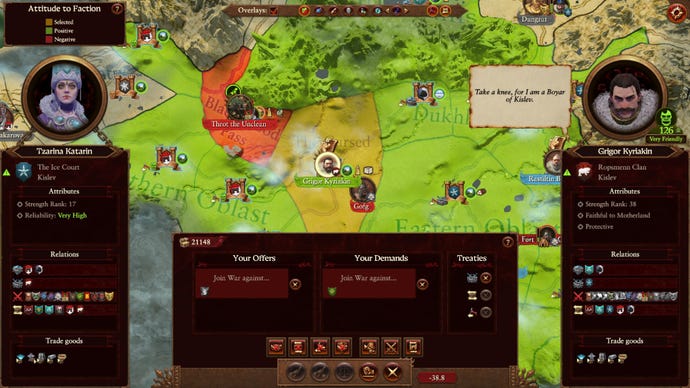
You’re bound to fight a fair few hundred battles over the span of an entire campaign. However, there’s no need to trudge into battle every time you come across another Lord. Diplomacy is equally important and it presents plenty of tools that you can use to bolster your empire.
Trade agreements can increase your wealth as mentioned above, while various pacts will ensure your safety from other armies and allow your lords to travel through neighbouring factions’ borders. As you gain trust and notoriety, you can even form defensive and military alliances to unite with other factions and fight off foes that you have in common.
Slay the Chaos gods (but close some rifts)
Of course, the war with the Daemons of Chaos can’t be avoided. In Total War: Warhammer 3, you will encounter Rifts that you can use to enter the Realm of Chaos. This is a hellish landscape that you can explore to find the Chaos gods and fight them. Defeating a Chaos god, also known as a Daemon Prince, will grant you their soul, and collecting all four souls lets you complete the grand objective that all factions share: saving Ursun, the bear God. They all have different reasons, sure, but entering the Realm of Chaos and collecting the souls will help you complete the campaign, so it is essential at some point during your journey.
To close a rift, simply send an army over and interact with it to open a menu. In this menu, you can choose to enter the Realm of Chaos or seal the rift, preventing travel in either direction.
That covers all the tips and tricks that you need to know about Total War: Warhammer 3, covering a range of new and old mechanics that are essential if you want to achieve victory in your campaign. If you want to learn more, check out ourTotal War: Warhammer 3 review.
