HomeFeatures
There and back again: why RPGs matter more than everSo many roles, so little time
So many roles, so little time
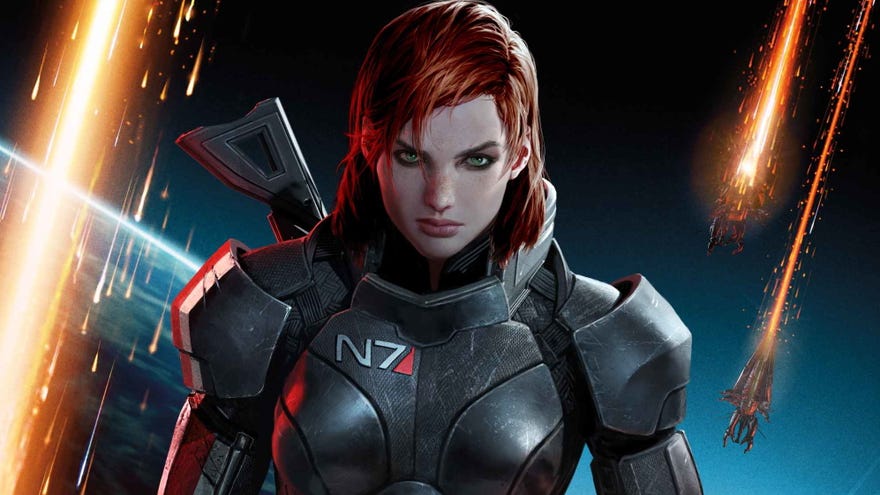

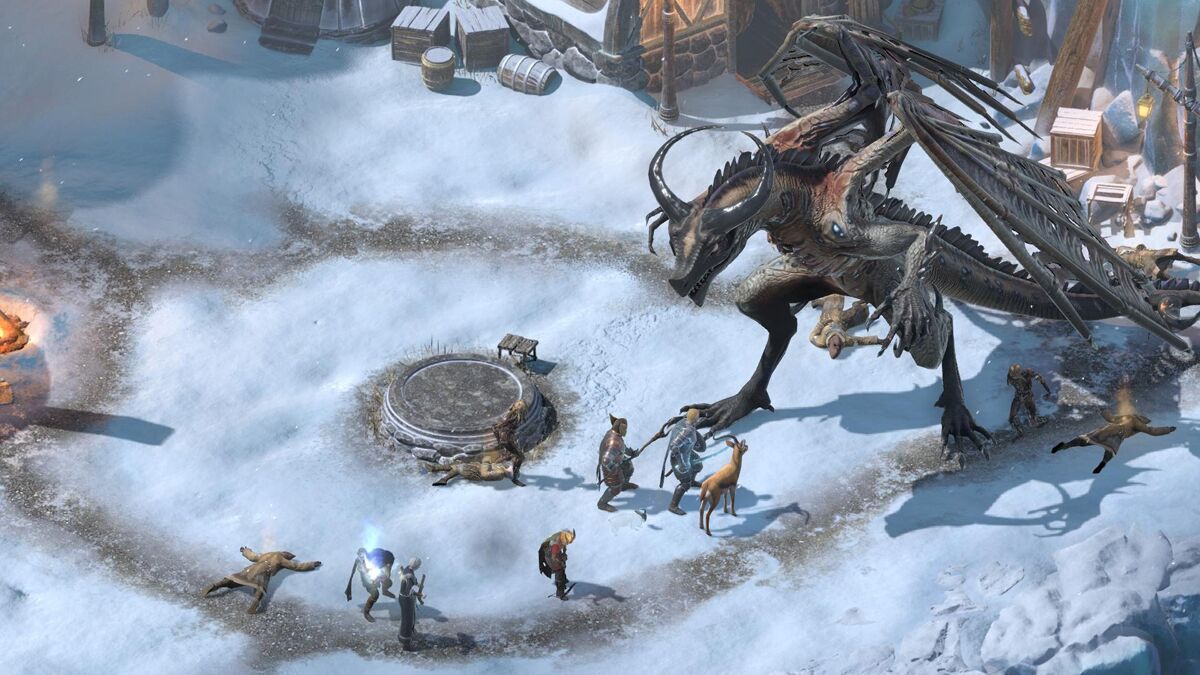
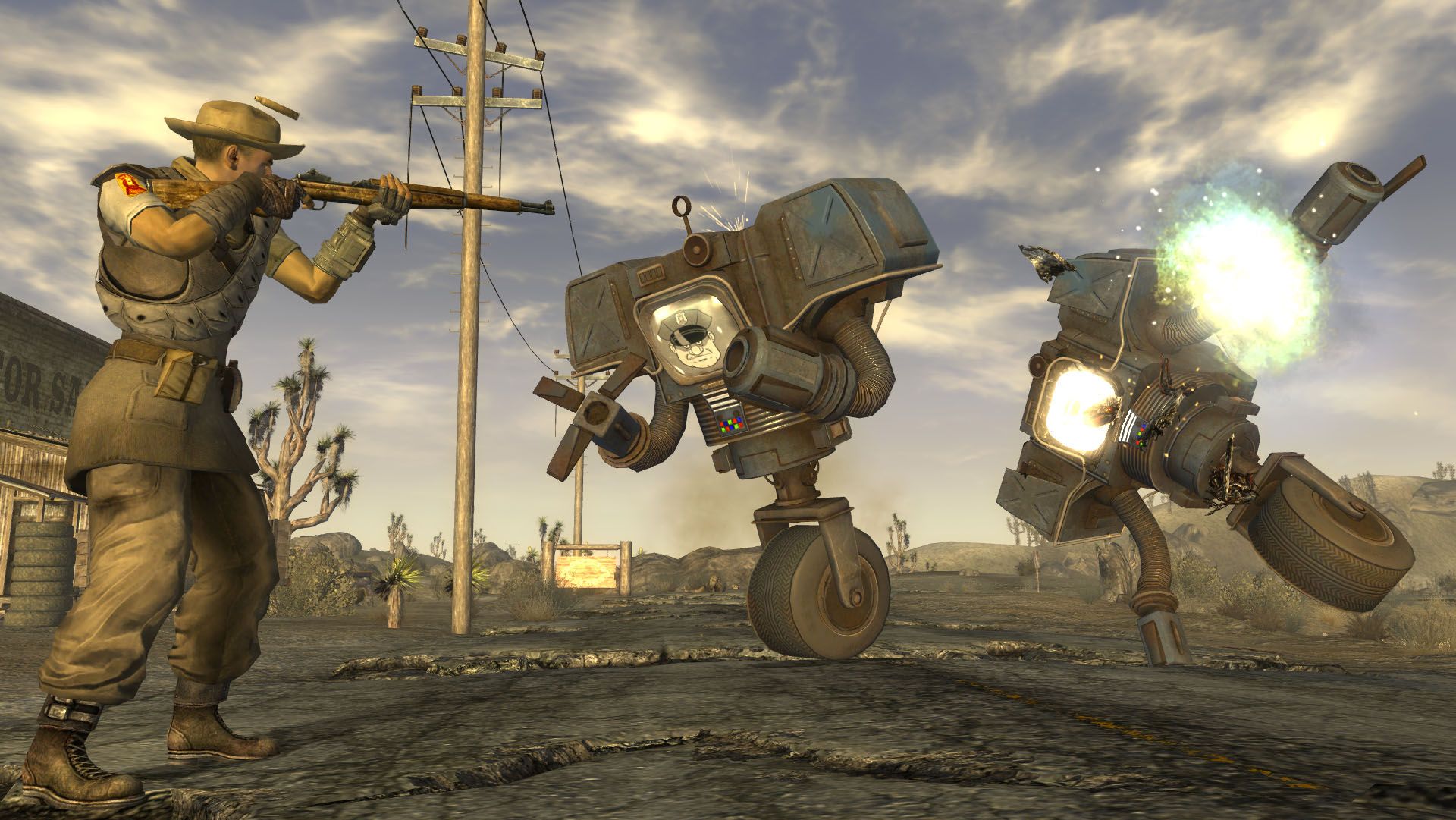
“We were trying to set a mood and build a sense of being there… that there was a world… in our own primitive way,” Fargo said. “You started off in a bar; you got to walk around outside, you had to go down to the dungeons, so you felt like you were living in a world; you weren’t just thrust into a wireframe dungeon and that was it.”
Watch on YouTube
Watch on YouTube

Like many game developers of that era, Fargo got his start with Dungeons & Dragons, and transferring the flavour of those late-night sessions to games was his animating desire. In that same Retronauts interview, Fargo talked about how pioneers like Wizardry began as something to play on the nights when the D&D group couldn’t convene, then quickly became much more. “It had all the rules and all the trappings that made it great, but it didn’t have the same latitude… it was linear in fashion… but boy was it fun.”
It didn’t take long for the ambitions of the nascent PC RPG genre to grow beyond simple dungeon dives. With barely 48 KB of RAM at their disposal, developers like Fargo, Michael Cranford, and Richard Garriott sought to build worlds that challenged our assumptions about what was possible in games, producing complex conversation and morality systems as early as 1985—the year that Nintendo released Super Mario Bros on the NES.
These days, technology has caught up with the fevered imaginations of gaming’s early pioneers, but the genre continues to push boundaries in other ways. That is truer now than ever, with games likeDisco Elysium,Yakuza: Like A Dragon, and a raft of high-quality indies all offering their own unique perspective on the role-playing experience. I would go as far as to say that if you want to understand modern gaming, you kind of have to understand RPGs.
That’s why I’m here. Hello, my name is Kat Bailey, and I’m the former Editor in Chief of USgamer and the current host of Axe of the Blood God, a podcast devoted to appreciating RPGs in all their forms. Most people know me for my Japanese RPG coverage, but as someone who spent the better part of her adolescence playing games on a Pentium 200, I have a deep appreciation for where PC RPGs came from, and how they continue to influence so much of game design today.
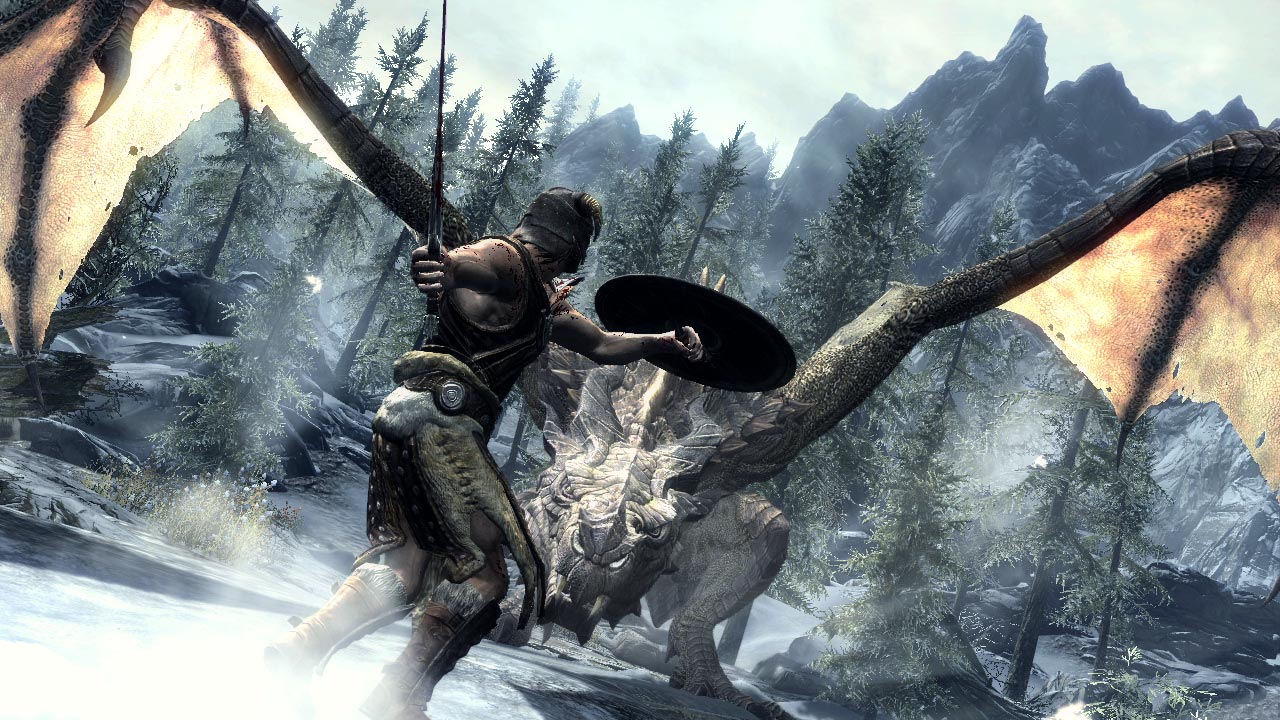
It was indeed a “big thing.” Acquiring two of the biggest franchises in all of gaming will tend to get people to sit up and take notice. It was also a long time coming.Falloutand The Elder Scrolls both got their start during what I might call the Silver Age of RPGs, when studios like BioWare and Black Isle Studios in the west, and Square and Enix in the east, were busy defining the modern era of RPGs. Calling The Elder Scrolls “ramshackle” was probably overly charitable - a good portion ofDaggerfallwas flat out broken - but it nevertheless resonated with players in the same way thatUltimahad a decade before, paving the way for the series to truly succeed once technology became sufficiently advanced (of course, that didn’t stop The Elder Scrolls series from continuing to be overly broken, but that’s another discussion).
What I didn’t know was that RPGs - PC RPGs in particular - were suffering a quiet identity crisis. In the 2000s, BioWare shifted over to console, and familiar names like Interplay closed up shop. In the process, it became very difficult to pitch the sort of RPG that had been so successful in the 90s. “I remember when we were working on the Black Hound and the originalFallout 3, we were moving to 3D but still staying isometric, and we had people asking why we weren’t going fully 3D,” Obsidian designer Josh Sawyer told me shortly before the release ofPillars Of Eternity. “The publisher mentality shifted away from making isometric to 3D games. They just died for a very long time.”
It wasn’t until the following decade, with the surprise success of fiddly dungeon crawlers likeDark Souls, that RPGs found a way to strike the balance. Crowdfunding certainly did its part, as did the explosion of digital distribution and the proliferation of more powerful tools. Streamers and YouTubers, too, helped to popularise games likeUndertale, which took familiar genre trappings and subverted them with unique and interesting choices of their own.
Meanwhile, the PC and console ecosystems came together in the 2010s, but not in the way that publishers might have expected. In recent years success has flowed out of platforms like Steam, whereDivinity: Original Sinand other games like it are continually refined before being released to larger audiences on consoles. The flow has run the other way as well.Final FantasyandDragon Quest- classic franchises that got their start on console - have thrived on PC. In 2020,Persona 4 Golden, an enhanced version of a 12-year-old PlayStation 2 RPG, found great success on Steam, prompting Sega to announce that it was planning additional ports.
“Streamers and YouTubers helped to popularise games likeUndertale, which took familiar genre trappings and subverted them.”
One way or another, games are still chasing the same high as the RPGs of the 1980s - the feeling of camaraderie and boundless possibility that sat at the core of the very best D&D sessions, inspiring an entire generation of developers. I’d like to keep exploring that. Over the next few months I’ll be talking to developers, seeking out unique community stories, and delving into the best the genre has to offer. I’ll also be working to surface some of the smaller RPGs that might be worth your attention amid the constant flood of new releases.
Whatever form games take in the future, I’m sure RPGs will have a large part to play, as they always have. When Gary Gygax and Don Kaye took their love of wargaming and applied it to fantasy adventuring, they were unknowingly creating the unpinning for not just the RPG genre, but gaming at large. That’s worth understanding more deeply.
So thanks for joining me on this journey. Let’s see what’s out there.
