HomeReviewsThe Wonderful 101: Remastered
The Wonderful 101: Remastered reviewPower of the crowd
Power of the crowd
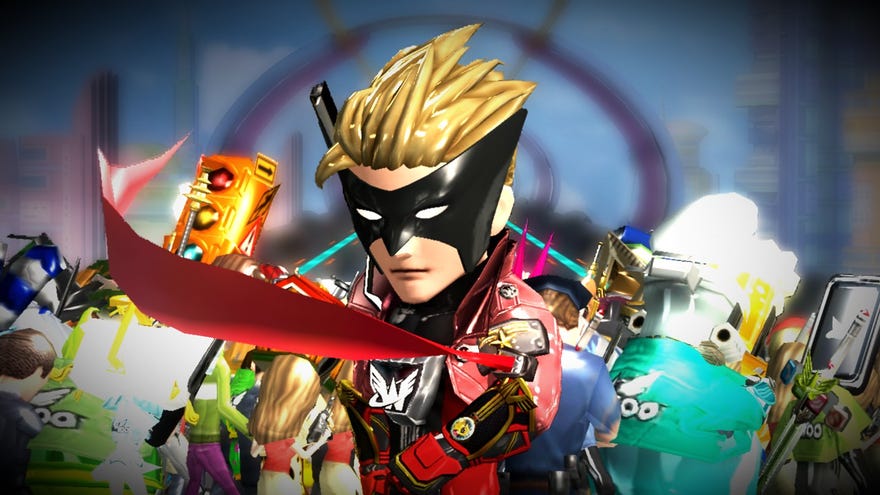
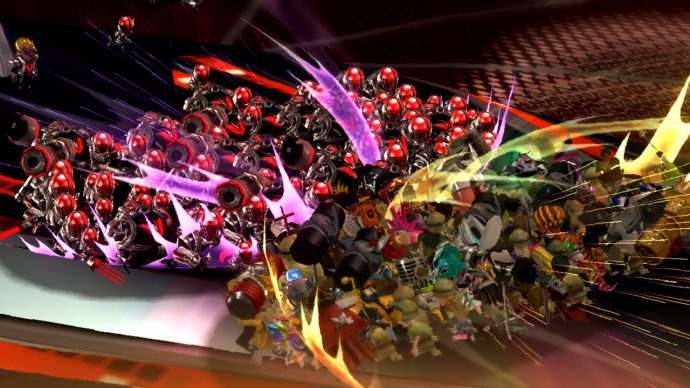
The transforming, aka Unite Morphing, ought to be the highlight but is sadly a bit broken. Here’s how it all works: during regular play you control a single hero, the centre of a loose-knit comet of costumed vigilantes. Holding right bumper or the alt key freezes time, allowing you to stretch your entourage into a winding conga line with analog stick or mouse.

Platinum’s action games have always been a white-knuckle balance of elegant and gimmicky, precision and chaos – gif-worthy parry mechanics on the one hand, distractingly vast and ornate encounter design on the other. Many of their games feel like wrestling an octopus, sometimes because you are, in fact, wrestling an octopus while hopping between platforms sprinkled with octopod minions, the camera doing cartwheels as QTEs pop off like paperclips in a microwave.
Partly that’s because it began life as a very unwieldy Wii U title, split awkwardly between buttons and touchscreen. In porting the game to PC and younger consoles, Platinum’s designers had the opportunity to sand down the transformation system’s rough edges and impose some clarity. For the most part, they haven’t.
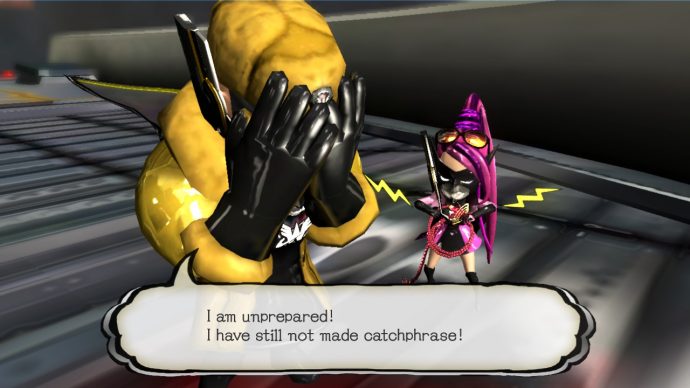
There’s no getting away from morphing: the game’s arena battles are all about matching the right weapon to the right foe, using a purple whip to rip spiked armour plates from a goliath, or a pistol to shoot down flying saucers. You’ll be switching tools and tactics constantly, and it’s a blast to experiment as your moveset expands, but the morph system is always happy to trip you up. Defensive abilities are a touch more idiot-proof, mercifully. You can hold a button to congeal your team into a sort of fortified trifle, stunning attackers if you time it right, and there’s a no-frills dash and double-jump to fall back on.
The morphing is least bothersome when using a controller, bizarrely. On paper, mouse control should be the safer approach, but the implementation is so spotty as to make the game unplayable: during one bossfight, I struggled to even draw a straight line. Whether using mouse or controller, the major hindrance is that the game doesn’t give you a stable canvas.
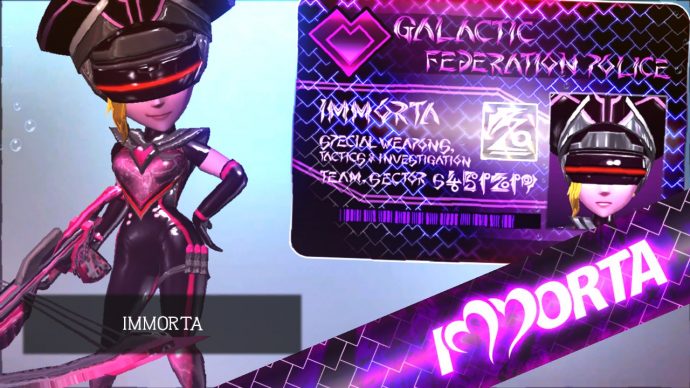
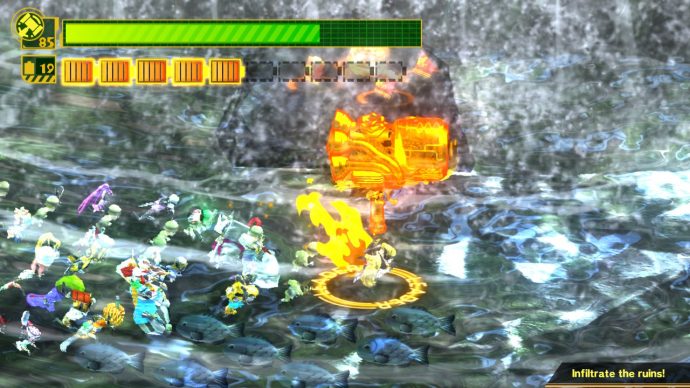
Save for close-up QTE sequences, the odd side-scrolling minigame and some clunky interior forays, the Wonderful 101 uses an isometric-style view. The camera just about keeps everything in frame, though the absence of waypoints makes finding exits a chore, and I often wished I could hover a bit closer to the caped crusaders in my charge. The angled perspective also, in theory, offers up a nice flat surface to scribble on while roaming levels that range from bubbling volcano temples to cubes of shimmering water.
The taste for caricature sometimes feels mean-spirited, admittedly. Take the game’s eye-rolling portrayals of women. I don’t mind a bit of sauce with my superheroics, but when almost every female character is treated to a lingering ass shot, and defined as either a screeching hussy or a cougar, you want to give the narrative team a clip round the ear.
No superhero story would be complete without a garrulous arch-nemesis, and The Wonderful 101 has a good one in Prince Vorkken, who actually tells you how much time you need to set aside before launching into a monologue. One of Vorkken’s taunts is to call Wonder Red “Blunder Red”. It’s lame but it sticks in the mind: is The Wonderful 101 more blunder than wonder?
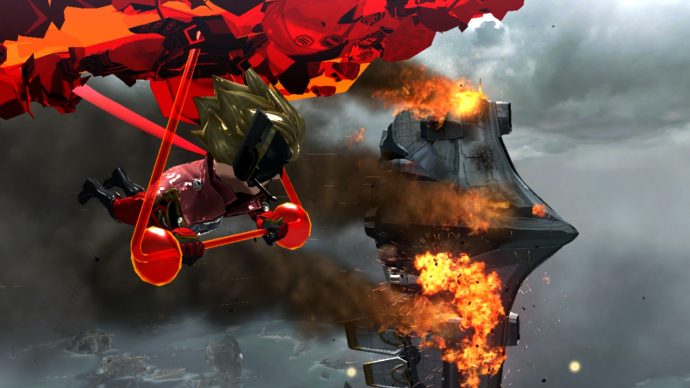
Some of the time, the answer is yes. This is far from the most polished remaster I’ve played, and the original was a hit-and-miss affair to begin with. Judged in terms of Platinum’s own end-of-level trophies, this earns a silver award at best. But then that preposterous theme tune kicks in, sweeping your misgivings away for a precious handful of minutes. When you hear that music, you feel like you can do anything – even draw a circle correctly on your very first try.
