HomeFeaturesThe Thaumaturge
The Thaumaturge is a detective RPG that’s part Divinity: Original Sin, part evil PokémonThe next game from the Witcher Remake and Seven: The Days Long Gone devs
The next game from the Witcher Remake and Seven: The Days Long Gone devs
Image credit:11 bit Studios
Image credit:11 bit Studios
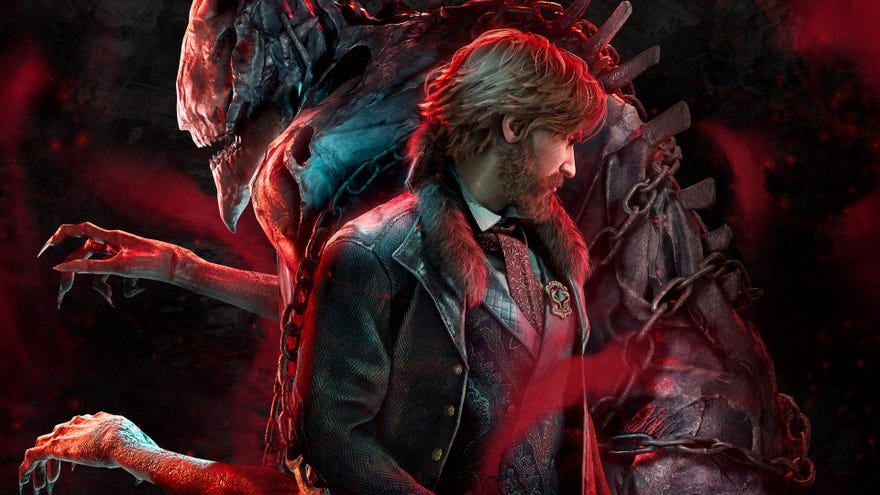
When The Witcher Remake devs Fool’s Theory and 11 bit studios announced their new RPGThe Thaumaturgeat the very end of February, I’ll admit that the premise didn’t immediately grab me. Theannouncement trailerwas little more than an enigmatic pan through the streets of historic Warsaw, and its climactic reveal of a shadowy man performing some Naruto finger magic to conjure a Soulsian monster from the gloom made it seem like yet another supernatural yarn in the vein of Frogwares’The Sinking Cityand Cyanide’sCall Of Cthulhu. The gameplay trailer (embedded below) that followed a few days later revealed a teeny glimmer of what its monster fights actually look like in the flesh, but I still wasn’t quite convinced this supernatural tale of demon tamers and interdimensional rifts would end up doing enough to make it stand out.
The Thaumaturge | Gameplay RevealWatch on YouTube
The Thaumaturge | Gameplay Reveal

My hands off GDC demo begins right at the start of the game during the prologue. Thaumaturge Wiktor, the game’s protagonist, isn’t looking too hot as he sits on a train to a remote village in the middle of the Russian mountains. His skin is cracked and pale, and a web of sickly, dark veins splinter out from his sunken eyes and over his sharp cheekbones (and here I was thinking my jetlag was bad). He’s reading a letter from his sister, who’s understandably concerned about his health, but Wiktor’s sickness isn’t so much physical as it is spiritual.
Indeed, his sickness stems from his lost connection to his Salutor, which in this alternate history of the twentieth century is a kind of mythical being that heightens Wiktor’s senses, lets him perceive hidden things about the world, and tame its very literal demons. These otherworldly beasts also appear as physical manifestations of people’s flaws in The Thaumaturge - hidden to everyday folk, but to people like Wiktor, they pose a very real and dangerous threat to the world around them, so he needs to restore the bond with his own Salutor asap so he can continue to hunt them down and use their powers for good.
(Or at least I think he’ll use them for good. When he’s literally collecting a whole bevy of other people’s ‘bad vibes’ throughout the game, who knows what will go down later on once he’s got several of these beasts under his belt - but try as I might, publisher 11 bit studios wouldn’t reveal any more details about The Thaumaturge’s wider story during my demo session).
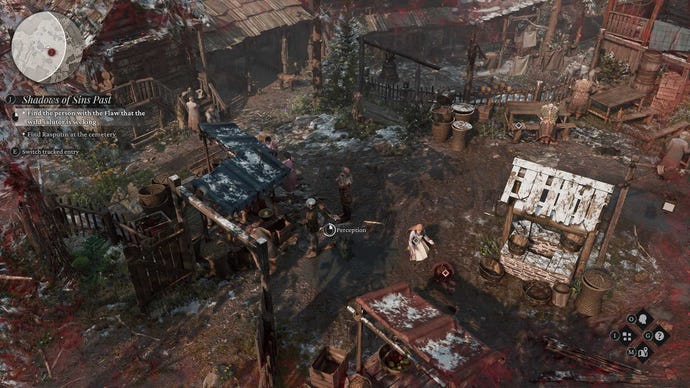
Wiktor can use perception to reveal hidden secrets in the world around him. |Image credit:11 bit Studios
Of course, this idea of ‘everyone has their own demons’ (somewhat eye-rollingly crystalised in the game’s tagline) is, on its own, one we’ve seen plenty of times before. The Salutors themselves have bigPersona/ demonic Pokémon energy for starters, but the Noise from The World Ends With You also played with the whole ‘bad emotions come to life’ schtick way back in 2007 (and more recently with its2021 sequel). But based on what I saw in my demo session, The Thaumaturge seems to be shining a fresh light on this familiar trope, thanks to its absorbing turn-based battles and layers upon layers of intricately woven RPG systems - the latter of which I’m introduced to first as Wiktor begins his journey to restore his bond with his mysterious Salutor.
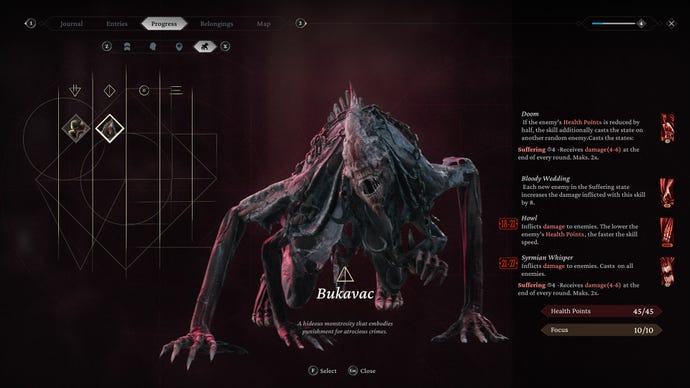
Once tamed, Bukavac is a formidable demon companion. |Image credit:11 bit Studios
These dimensions embody ‘Heart’, ‘Deed’, ‘Mind’, and ‘Word’, and they form the foundation for rest of The Thaumaturge’s entire RPG system. For example, levelling these up won’t just reveal more about certain objects you pick up, but they’ll also unlock additional dialogue choices, instantly putting me in the mind of the conversational skill checks inBaldur’s Gate 3andThe Council. They also extend to the four broad categories of Salutor you’ll encounter as well, determining what type of attacks they have in battle, and the tactics you’ll need to use to tame and defeat them.
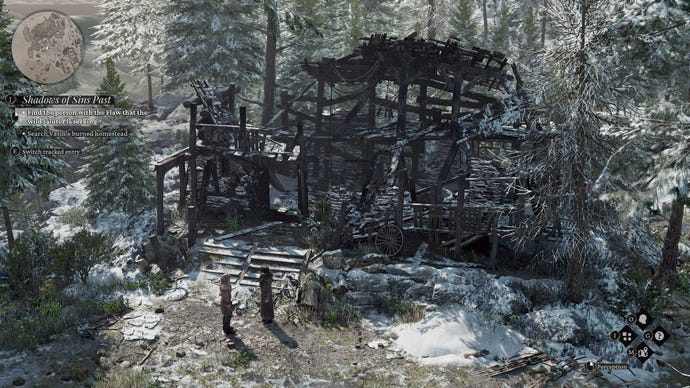
It’s not long before we get to see Wiktor and Upyr in action either. With their bond restored, Wiktor now senses another wild Salutor lurking around the village, feeding on the flaws of its community. As a Thaumaturge, it’s his job to find and tame it, ridding the village of its ills in the process. But to hunt down the origin of the flaw, Wiktor must first do a bit more investigating, speaking to the townsfolk , and using his perception skills to help narrow down his search, sensing secrets in the objects he touches and in the words he manages to get from the cagey villagers.
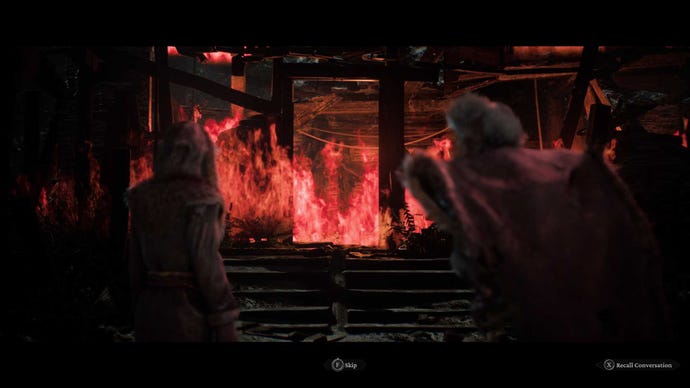
As Wiktor hunts down the wild Salutor feeding off the village’s seething negative emotions, his investigation leads him to a possible murder scene. |Image credit:11 bit Studios
As mentioned earlier, battles are turn-based in The Thaumaturge, and an action queue fills the top of the screen, showing who will attack when and in what order - a regular turn-based staple these days, but one that’s tied quite neatly into Wiktor’s heightened sense of perception here, giving it a reason to exist rather than just being another bit of interface. The same goes for the power of each attack, which has a clearly marked up damage range next to it, and the amount of time it will take to execute, which can in turn have knock-on effects on the action queue.
Battles are turn-based in The Thaumaturge, and Wiktor will fight alongside his tamed Salutors. |Image credit:11 bit Studios
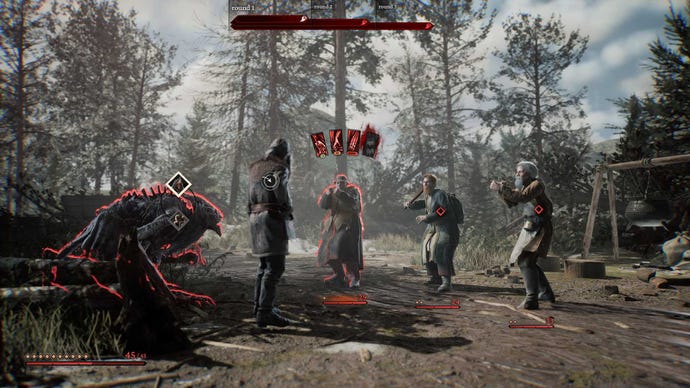
Reducing an enemy’s health to zero is obviously the key objective here, but in addition to their health bars you’ve also got focus points. Get rid of these and an enemy will be dazed and distracted for a turn, allowing you to use special strong attacks for extra damage. I love it when turn-based RPGs have a stagger system in the mix, so I’m pleased to see The Thaumaturge making good use of one here to help liven up its beefy fisticuffs. Alas, Rasputin did not partake in the fight as well, but Wiktor and Upyr were a more than capable duo against the trio of soldiers.
With the soldiers swiftly taken care of, it’s now time for that confrontation with the elder’s son-in-law. As your conversation starts to get a bit heated, the wild Salutor finally makes an appearance, setting the stage for an even bigger battle with Wiktor and Upyr. Finally, Wiktor must put his restored Thaumaturgy powers to the test and tame the beast known as Bukavac, rendered as an enormous, six-limbed shadow that fills the entire screen in a dramatic sweep of smoke and glowing eyes and teeth.
Boss fights against wild Salutors are big, dramatic setpieces that really up the ante compared to regular battles. |Image credit:11 bit Studios
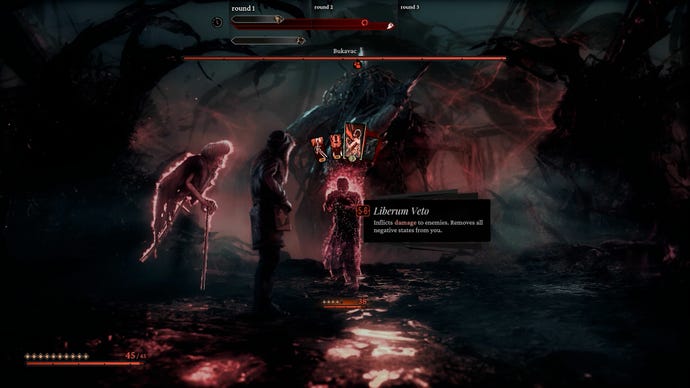
These battles look every bit as grand and tactical asFinal Fantasyboss battles to my eye, although for the sake of time, my demo skips forward again to have Wiktor successfully tame Bukavac and bring him under control. In future fights, Wiktor will be able to switch between Upyr and Bukavac to make use of their unique abilities as he sees fit, and I’m intrigued to see what other fanged monstrosities Wiktor will uncover when he heads back to Warsaw, which the game’s main setting. Rasputin will also be following Wiktor back to Warsaw, I’m told, but my demo unfortunately comes to close before I can find out more.
