HomeFeatures
The sets aren’t ready, and the actors have no eyes: making game trailersWe talk to people at Paradox, Creative Assembly, and studio Realtime Nordic about how it’s done
We talk to people at Paradox, Creative Assembly, and studio Realtime Nordic about how it’s done
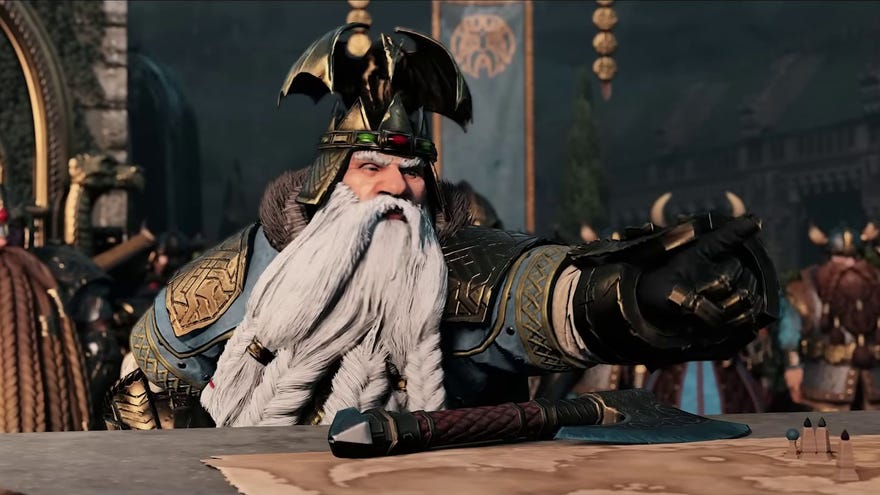
“Imagine someone saying ‘We need you to make a trailer for our movie, but we’ve only got half of the sets and props ready…” says Tim Bevan de Lange, Creative Director atRealtime Nordic, a studio that makes, specifically, video game trailers. “…and we haven’t actually shot anything, so you’ll need to do that yourself. Some of the actors won’t come out of their trailers. One of them will but if you shoot him from the front you realise he’s got no eyes, but don’t show the audience that. It’s not intentional, he’s getting them fixed. Also can you film it twice, for different streaming platforms? Make a really good version for Netflix and a slightly worse looking one for Quibi.”
Total War: WARHAMMER III - Immortal Empires Launch TrailerWatch on YouTube
Total War: WARHAMMER III - Immortal Empires Launch Trailer

“Strange space is a good way of describing it,” says Bevan de Lange. “You’re not showcasing something physical anyone can understand like a soda brand, and then creating associations with it looking cool and young. You’re often trying to do multiple things at once. Show a narrative setup, perhaps explain complex gameplay features, make a title look visually fantastic, have something that’s really compelling… but can be trimmed from 2 minute runtime to a 15 second cutdown.”
“One of the more satisfying aspects of this process is finding that perfect blend of good storytelling and amazing visuals for key moments that we can weave the trailer around,” says Axel Larsson, Senior Cinematic Artist at Creative Assembly. “Personally, I always like to explore the more in-between moments of the setting, like the workers in Cathay preparing for war or the council scenes in the Immortal Empires trailer. We know they ‘happen’ off camera when we play the game but to see that stuff realized always feels really awesome and fleshes out the world of Warhammer a little more.”
“My favourite part of the production process is the final assembly,” says Oskar Petrén, senior creative producer at Paradox - a studio I’ve always admired for their off-beat trailers - like theStellarisone withthe sci-fi sea shanty. “Working in the sound studio, tweaking those last details that make it all come together. The moment when the weird-looking storyboards and borderline cringe voice lines have metamorphosed together into the thing you imagined in your head several months before.”
The pipeline for something like the Immortal Empires trailer involves more people than you might think. “The Cinematics team at CA is composed of 15 individuals who are often split between multiple trailers.” says Chloe Bonnet, lead cinematic animator at Creative Assembly. “However, ‘Immortal Empires’ has received work from every single one of its members at different steps of its production.” The team, says Bonnet, has three main disciplines: Animatic, Cinematic Art, and Technical Art, with leads, animators, cinematic artists, riggers, and technicians. An average trailer will go through the process of concepting, screenplay, storyboardings, animatics, art support (including rigging and character art work), motion capture, layout, environment building, and final production, versioning, and finally, delivery!
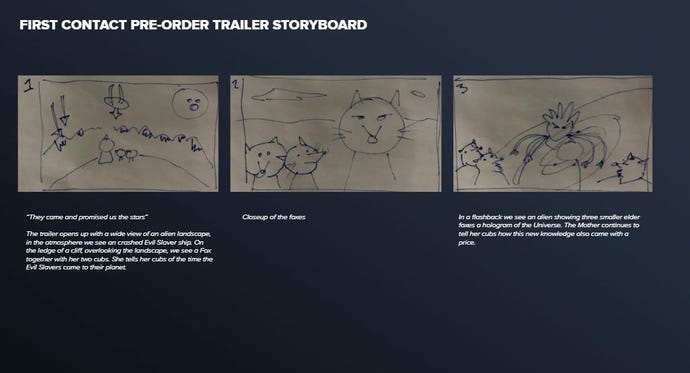
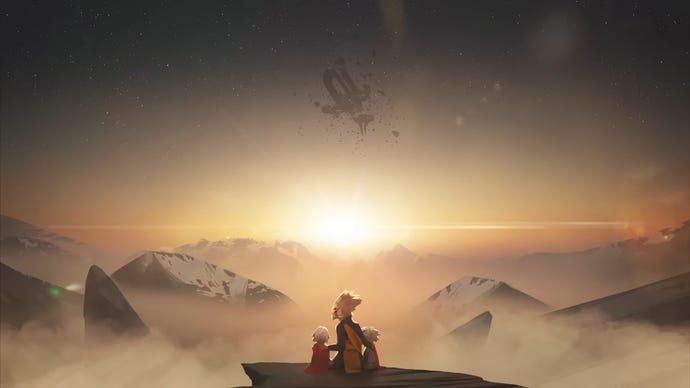
“We take ideas, and input wherever we can find it. One of the biggest pools of inspiration is listening to the devs talk about what they think are the best features, or just skimming through the development slack channel.” says Petrén. “Most of the trailers are assembled around a core idea that we build the narrative around. For Toxoids it was a gameplay gif someone posted in the slack channel, the Scavenger bots just working in space.”
“Compared to other games from Paradox where you might be locked into a certain time period, Stellaris gives you the freedom to do almost anything,” Petrén continues “There are some ground pillars to take into consideration: for example, we try to stay as true as possible to the game itself, and we of course have branding guidelines we need to follow. As long as you stay within those, anything is possible. I never imagined myself doing a Space Shanty trailer but here we are.”
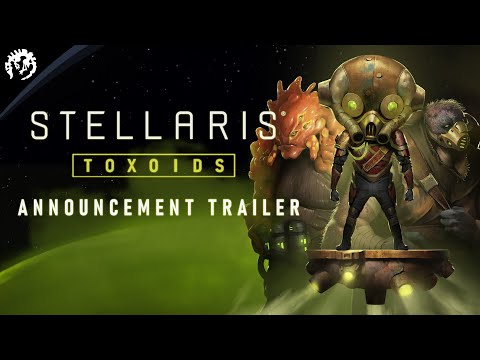
Stellaris: Toxoids | Announcement Trailer | Pre Order NowThe Toxoids trailer mentioned above. The song is now stuck in your head.Watch on YouTube
Stellaris: Toxoids | Announcement Trailer | Pre Order Now
At an agency it’s slightly different, “The pipeline is generally along the lines of: a brief is received, and then assessed between producers and creatives. Initially you’re looking at things like timescale, budget, difficulty, resource. Do we have the people we need currently available to put together a good response?" Bevan de Lange explains. You need to pitch a great idea, that’s also been well thought out in terms of how you’ll execute it, because you might start production in a matter of days. Submitting an underbaked idea can lead to unnecessary stress down the line. Bevan de Lange says that “this is particularly important when you’re working on mid-development cycle games where there’s sometimes a gulf between what exists in a state that’s ‘ready for primetime’ vs still in development, or not feature complete.”
“What you do or don’t show is always part of the conversation when marketing the trailer. This can be specific story stuff or it can be more general ‘nothing from this mission onward’ or ‘don’t show this biome’," says Bevan de Lange. “Sometimes I’ll advocate for ignoring or bending these guidelines if I think it’ll make for a better trailer.” But generally the job still means you have to work from what actually exists. “If you’re doing a cinematic trailer, you might be creating custom animations, cameras, or lighting for the game,” he explains, “but ultimately the characters will be doing things the game allows them to do - or canonically they do offscreen etc. And you’ll be using most of the same art assets to create that trailer.”
Left: a screenshot of armies clashing in the cinematic trailer for Immortal Empires. Right: the game itself
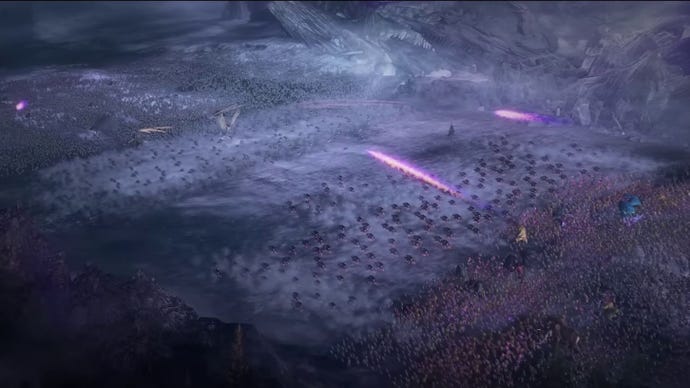
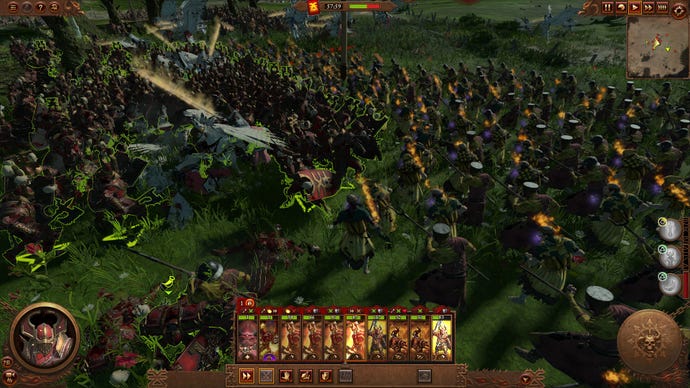
So, it seems sometimes at least, the big publishers are just as concerned about not accidentally selling you snake oil as you are. It’s a strange line, I know, between art and advertising. A strange line between honest passion to get an audience as excited about a work as the creatives behind it are, and pure marketing. It’s a line that, if nothing else, I’ll find myself thinking about more often now.
“Being thrown into the deep end early on withthe Warden and the Paunch traileris still a highlight for me,” says Larrson, “I managed to find myself as the mocap actor for both Grom, Eltharion and all other goblins in that trailer. I had never done mocap before but it was incredibly fun to let loose as those characters.” This aside, Larrson says, he and the team are still riding high off the reaction to the Immortal Empires trailer, even from Warhammer fans who don’t play Total War. For many, it felt like the closest thing to a Warhammer fantasy movie they’re likely to see for a while. Oli Rea and Carl Allen of Creative Assembly, cinematic generalist and lead cinematic animator respectively, bring up past work on trailers like The Vampire Coast and The Shadow and the Blade, and how the best part of the job is still bringing the Warhammer world alive for the fans.
“It’s a bit like someone smushed all the creative possibilites and technical pitfalls of making games and films together,” says Bevan de Lange. “I would never call what I do “art” because that feels incredibly pretentious, but obviously it is in the sense that it’s an incredibly subjective space to work in.”
