HomeFeaturesThe Longing
The real beauty of secrets in games like The Longing is to share themLonging for answers
Longing for answers
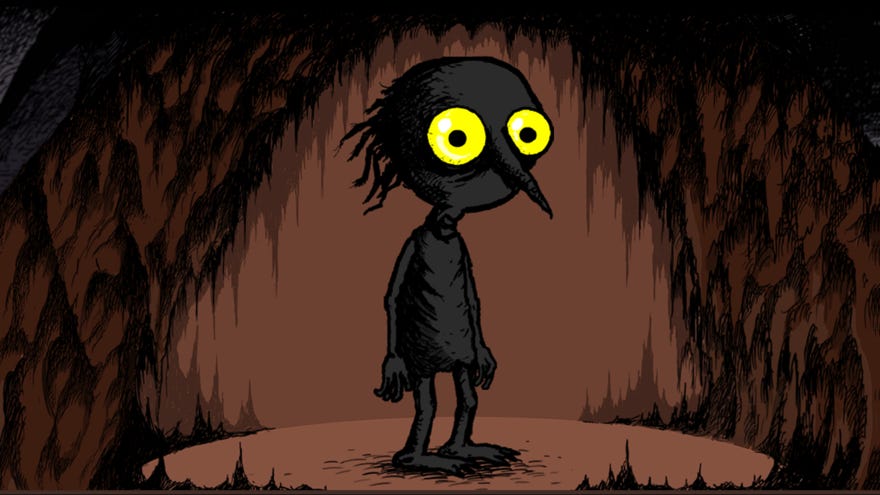
Popularity poses an interesting dilemma for any piece of media, but especially for those that thrive on their secrets. Attention is the held-breath hope of most aspiring indie developers, but a large enough community will excitedly share guides, forum posts and screenshots that illuminate every last hidden corner of a game. That might well be antithetical to the intended player experience, or an artist’s ultimate goal for their work.
Who are the enthusiasts who wade into the secrets of a game on behalf of other players? What are their motivations and expectations? And how do developers feel about the short-work illumination of their years of work? To see how the dynamic between an active community and a game’s developers can play out, I decided to speak to the principal creator of this year’s brilliant “sad tamagotchi” gameThe Longing, as well as the two creators of its most visited guides.
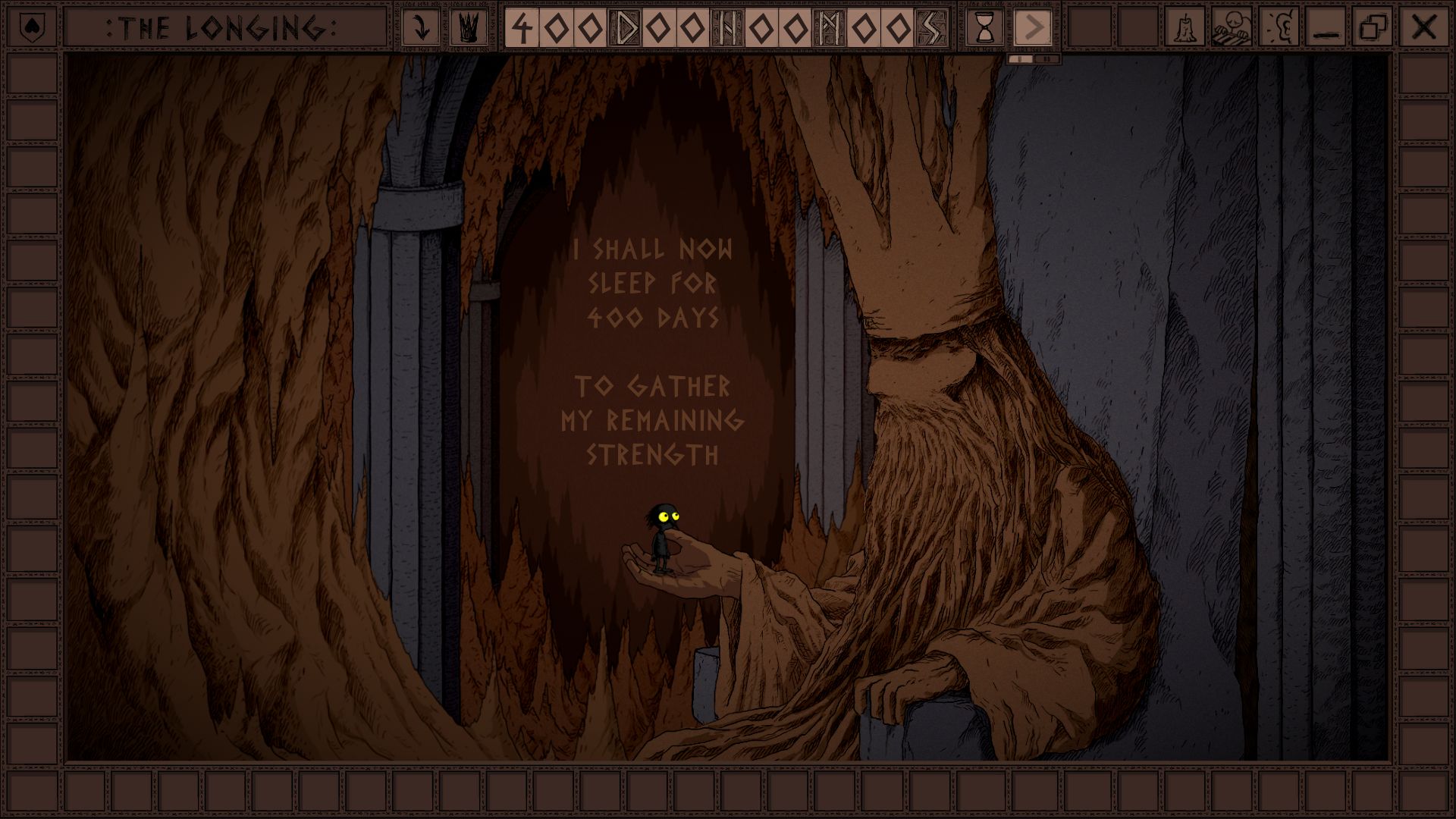
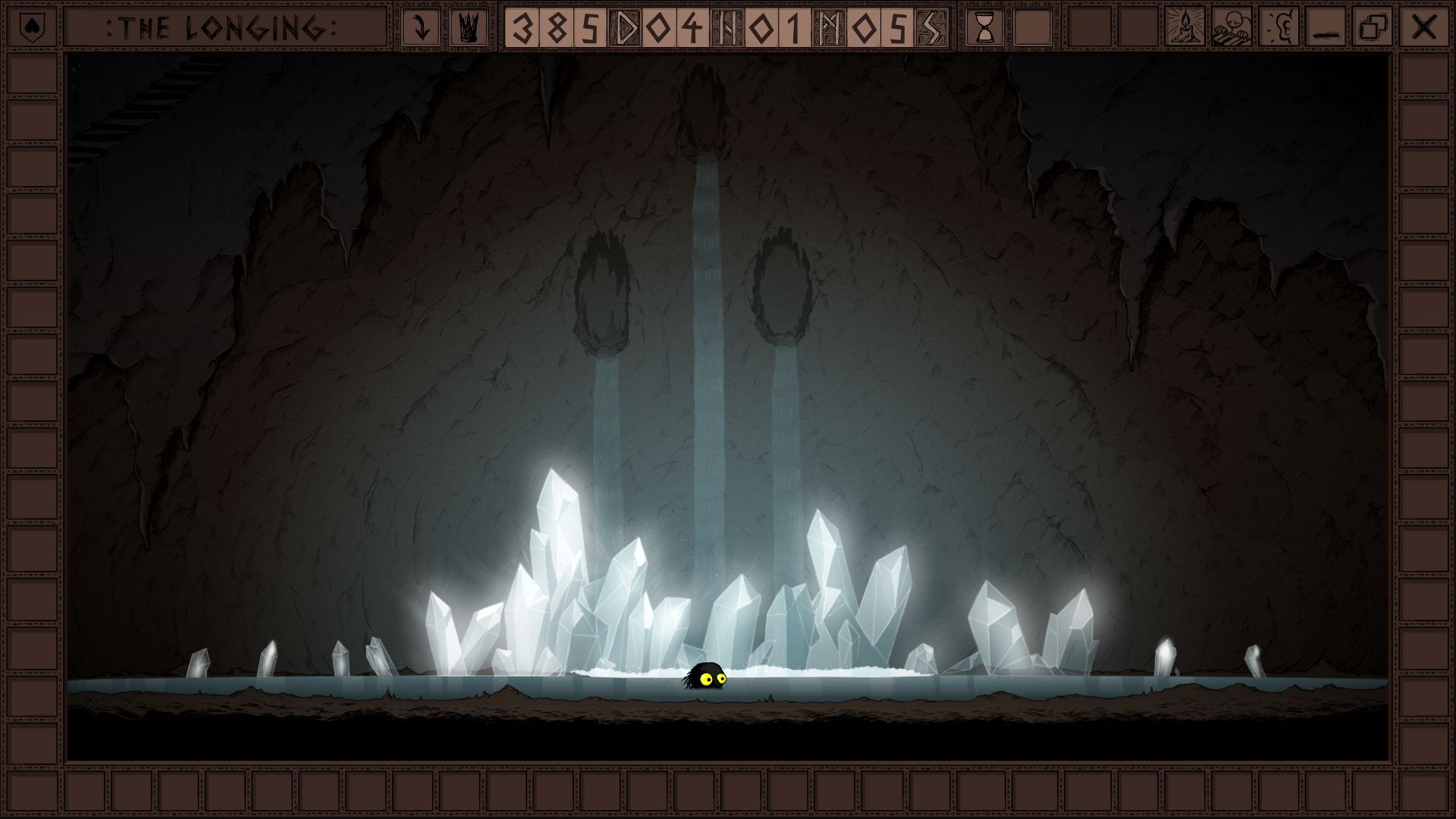
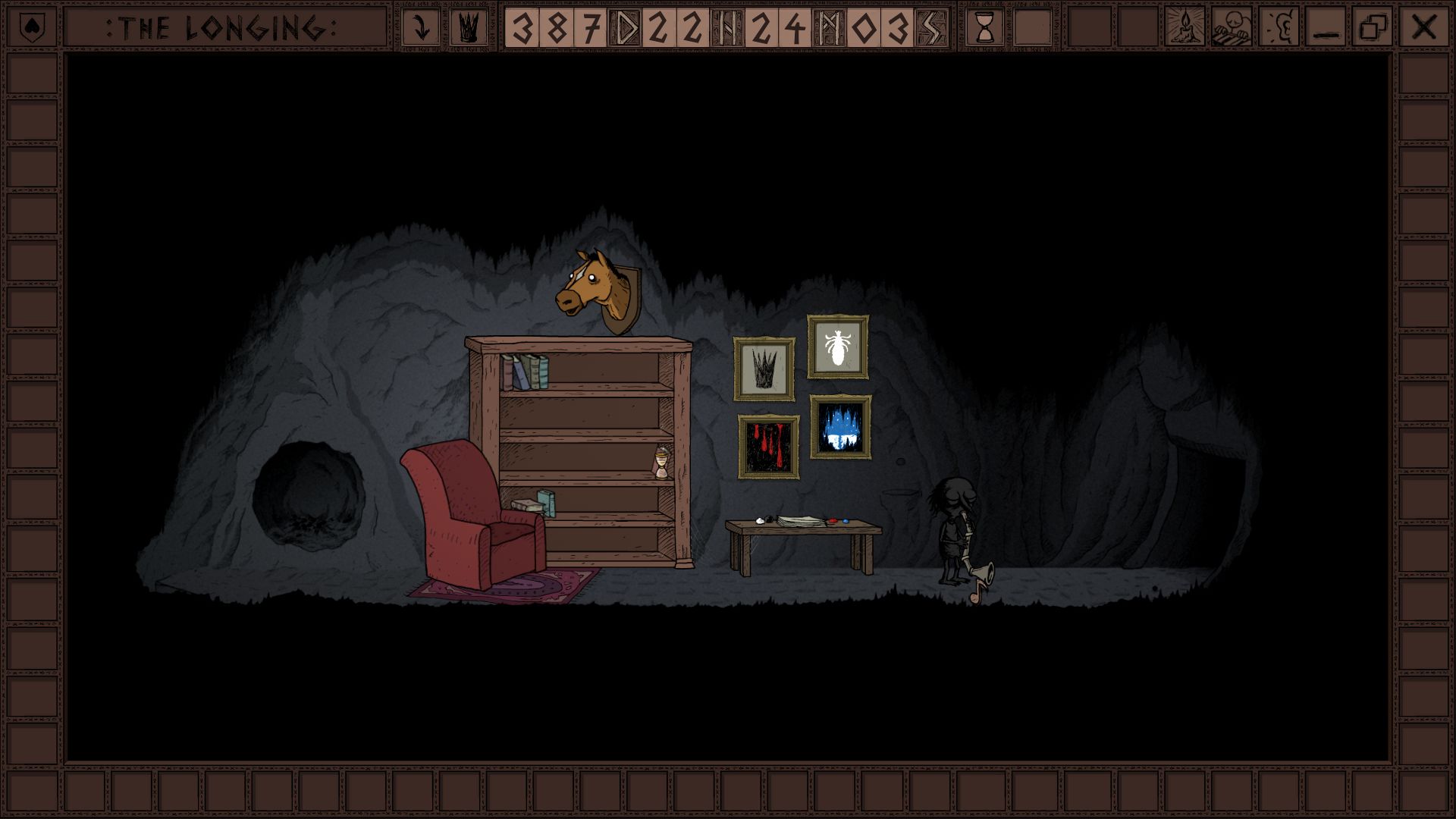
The Longing is demanding. It’s filled with secrets, Easter eggs, time-blocked areas that require you to wait days or weeks, and puzzles that rely on cryptic clues. It also boasts one of the slowest walking speeds in all games. It’s designed for a single playthrough, too, so things like easily available guide resources and regular communication on forums would surely change how players engage with the experience.
“This is actually the only guide I’ve made,” admits Majo (who made a golf version ofGetting Over ItcalledGolfing Over It With Alva Majo) fame. Majo believes that, compared to Steam forum threads full of incidental spoilers, his carefully constructed guide can help players whilst maintaining the mystery and challenge of the game.His guide’s spoiler-tagged hints escalate only gradually towards explicit solutions. “I decided to make the guide I wish I had had, so that people coming after me could have a better experience with the game.”
Reynolds is slightly less of a stranger to guide-making, with an eclectic list including everything fromMetal Gear SolidV toDear Esther, but took the opposite tack. “I createdmy guidefor The Longing because I wanted new people to find something useful enough to allow them to jump right in.” With his plain, directive approach, Reynolds admits that the process of creating a guides is itself his main driver. “When I find a game that has a somewhat good following I’ll try to create a guide to help new people along.”
This kind of altruism, à la Wikipedia or any user created guide or review, is of course nothing new, but some of the underlying motivations are surprising. “I think The Longing often demands too much commitment from players, which makes for a frustrating experience if you are not willing to invest yourself that much into it,” Majo told me.“I would go as far as to say that the existence of this guide allows me to recommend the game to a friend in good conscience.”
Majo, concerned that the experience felt niche, thought most players would eventually bounce off the experience or otherwise not enjoy it, and said that this was based on his own experience. “Why not make it easier for people to get to the good parts with minimal suffering?” he suggested. Reynolds agreed. “The game is so lovely and well put together, but there are times in the game I just wanted to learn how to scale a cliff or get past a certain barrier.”

It’s fascinating that both creators felt a degree of responsibility for filling a gap they perceived in the player experience. Their conviction is that the accessible sharing of a game’s secrets is an essential feature. It provides the equivalent of a fine-tuned, adaptive difficulty setting.
The Longing’s Steam forums are currently alive with the hurried, excited sharing of findings from its latest updates; Pyta delighting in playfully taunting and lightly hinting when players ask him questions directly. Even games about isolation can’t hold back a community’s need to interact. Far from being a dynamic of opposition, games full of secrets inspire altruistic guide creators and community treasure hunts that almost become features of the game themselves. As onethread of community love for the Shadeproves, though we may feel alone, we can find meaning together.
