HomeFeaturesMyriads: Renaissance
The Rally Point: This year’s low-intensity strategy for the Summer (?) heatwave (??) is Myriads: RenaissanceIt’s the humidity that’ll get ya
It’s the humidity that’ll get ya
Image credit:Sleeping Eight Studio / Rock Paper Shotgun
Image credit:Sleeping Eight Studio / Rock Paper Shotgun
It isoncemorethat time of year when the searing heat drives us underground, to subsist on raw snacks, re-readThe Book Of Phoenix, and play this year’s Low-Intensity Strategy Game For When It’s Actually Refreshingly Temperate And Rainy Out But We’re Committed To The Bit Now.
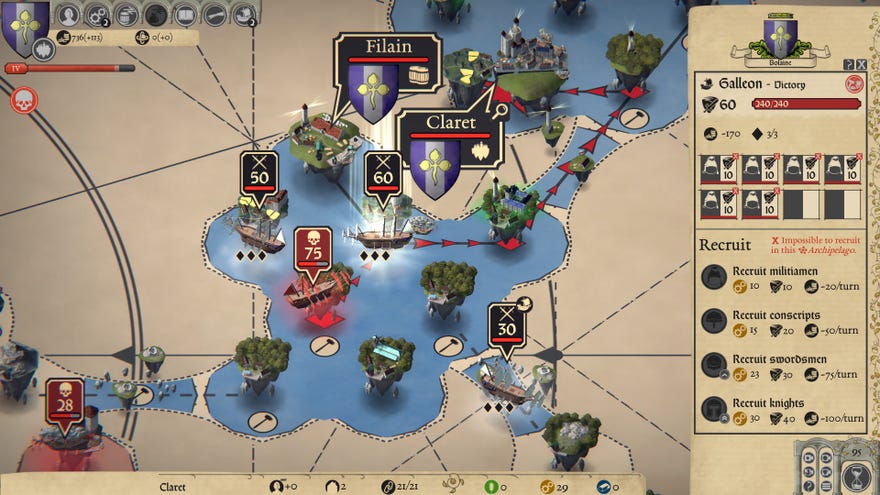
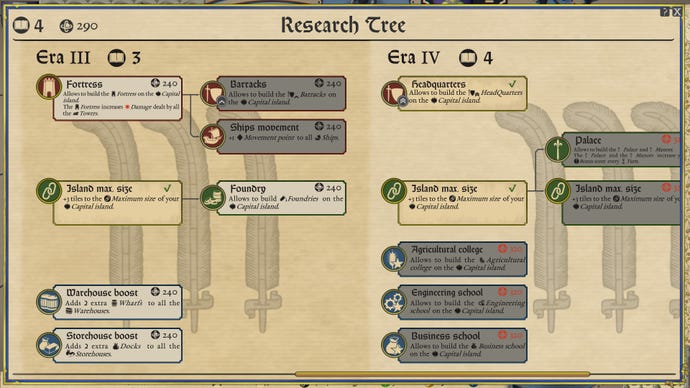
Myriads Colon Renaissanceis not quite the break from the 4X that I’d tried to get us, but it is a hybrid. You build up a city, explore and conquer new lands, unlock research and ultimately push everyone’s faces in, but its other main pillar is tower defence, a genre I very rarely align with. Which is a good sign, right? Two good reasons not to choose it, but I am anyway.
Image credit:Sleeping Eight Studio / Rock Paper Shotgun
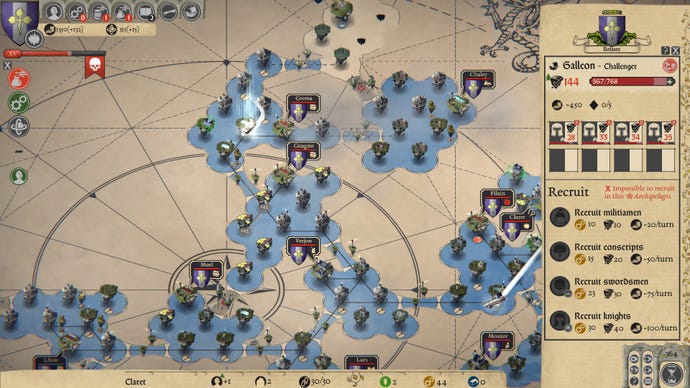
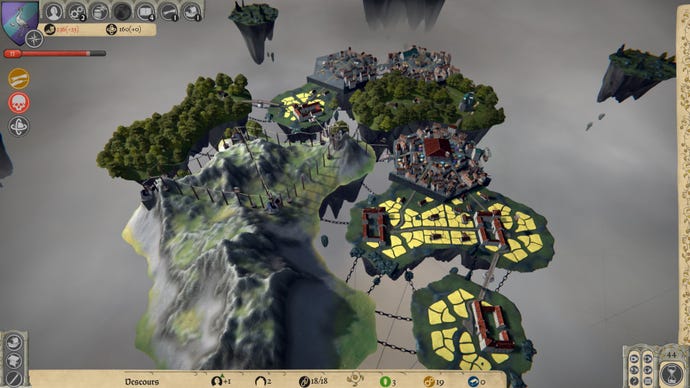
“Conquest” is perhaps inaccurate, since you’re pretty much obliterating your enemies and building on the space left behind. Everyone’s absolutely hostile, and rather than rival empires, you have one main foe that gets stronger over time and periodically sends out an attack to your capital, and lots of smaller enemies who send out smaller waves to hit your nearest colony instead. These can actually be more troublesome, since they react more directly to your expansion, rather than coming in predictable waves. So it’s a guilt-free ride as you send out airships to take out raider bases, build colonies, and hopefully gather the gold and research needed to bump yourself up enough to meet the rising threat level, over and over until you’re able to hit the enemy capital and win the game.
You’ll probably lose a few games too, before realising that you ought to lean into the tower defence element. Raiders generally take a short path and thus should be attacked, but when the Catena send out a galleon or three, their incoming paths are marked, even long before you’ve uncovered the map. The islands you can’t build cities on can often host a defensive tower that fires on passing enemies, and galleons and recruits areveryexpensive. So expensive, in fact, that it’s sometimes better to let one sacrifice itself on a hopeless battle, to delay and weaken an invader, and to free up a massive amount of income that could, in several turns, buy another tower, an expensive one-off minefield, and then build and staff another galleon back at the capital. This is especially true once you unlock and build the merchant’s guild, which converts production into gold if you stop building for a turn.
Image credit:Sleeping Eight Studio / Rock Paper Shotgun
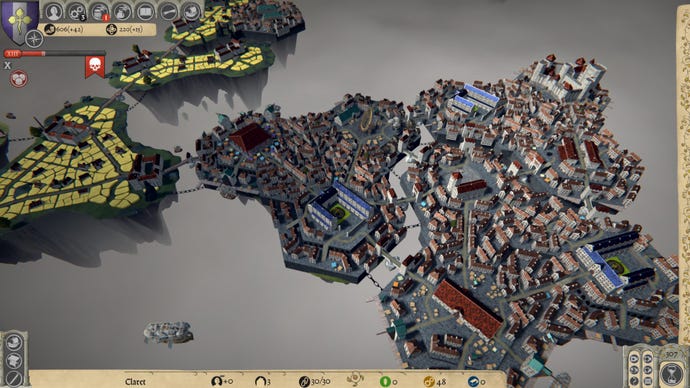
Trading colonies are more complicated, and Myriads could use a more upfront and clear explanation of how they work and how much research and building the require; instead of food, they produce gold, but only if you’ve built a factory back homeanda storehouse. I think the idea is the colony sells resources to the factory and the factory sells back processed goods, and rather than introduce lots of new resources the game just represents this abstractly as the colony producing money, but it’s a bit confusing, especially since you’re already shipping stuff from exploitation colonies to docks.
Image credit:Sleeping Eight Studio / Rock Paper Shotgun
Myriads never fully leans into the strengths of its component genres, but largely avoids their pitfalls too. It’s not a game I’d champion as particularly revolutionary or exciting, but if you’re looking to fill a few afternoons with a light strategic challenge that’s more than piling numbers on each other, yet not overly demanding or elaborate, it hits exactly the right note whether you’re sweating to death on the floor or nervously alt-tabbing to a map of the local floodplains.
