HomeFeaturesUnpacking
The little noises in Unpacking help make it a life you can understandThat’s the noise my forks make too!
That’s the noise my forks make too!
Image credit:Rock Paper Shotgun
Image credit:Rock Paper Shotgun
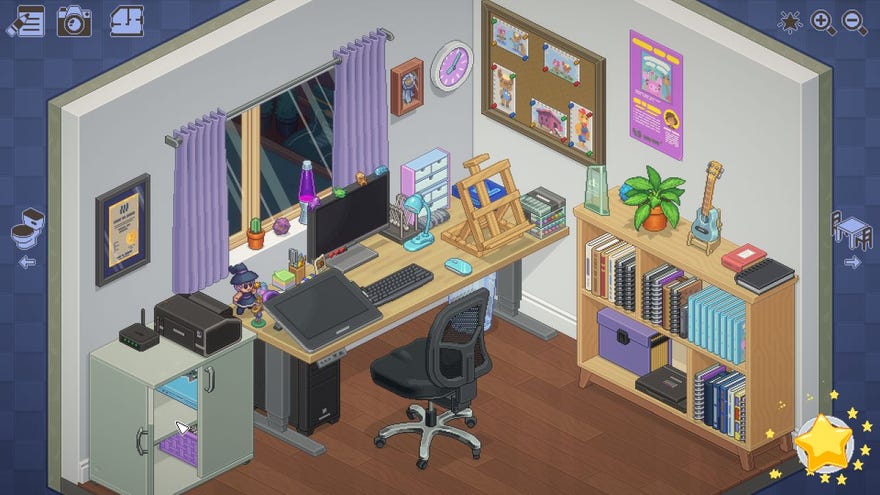
In writing about games likeA Little To The Leftor currentRPS Game ClubpickUnpacking, I often have to point out that I am a weird little gremlin who loves puzzles and putting things in the right place in games, but not actually in real life. In real life, I write to you today from a desk covered in a weird detritus of work and life that wouldn’t quite see me on an exploitative reality TV show with the word hoarder somewhere in the title, but, you know… maybe give it 15 years.
But I bloody love tidying things in games. Getting everything in the right place. And something that makes it extra enjoyable in Unpacking is the sound design. The house itself is quiet, but everything in the game makes a little noise when you put it away or hang it up or slide it in a shelf, and it’s all stuff you recognise from home. It makes the whole experience feel domestic and familiar.
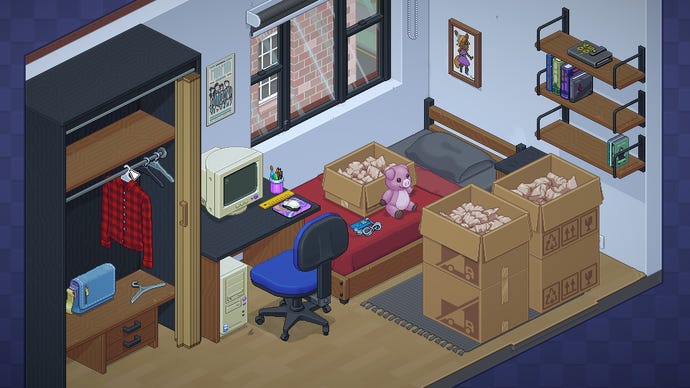
When you put your bottles of shampoo and conditioner in the shower, they make a hollow plasticthoknoise. Books slide onto shelves and their spines make the same cardboardclopas your books at home. The light little snicket of putting the toothbrush in the toothbrush mug. Crockery! The sound of plates stacking, and cutlery clattering in the special cutlery drawer!
It’s so good. It’s so specific and homely. One of the things I love most about Unpacking is that it’s so relatable. You’re not upacking a multi-millionaire’s collection of Fabergé eggs and vitage wine into custom made display cases. You’re folding up socks and pants into a student wardrobe, trying to fit your plates into the mish-mash of flatmate bowls and saucepans in the kitchen, making room for your collection of kind of crappy travel knick-knacks. It’s this that allows you to feel a kind of intimacy with the situation, and you instinctively understand the different situations and life stages the invisible protagonist is at because you’ve been at a lot of them yourself.
In this way, Unpacking is an extremely efficient show don’t tell machine. There is zero telling; you don’t know what the protagonist looks like, or the events leading up to the move, or really anything explicit about her life. But despite this you still feel you know everything that went on for this woman. You know what films she liked when she was at university, and where she went on holiday, and what her job is, and who she lives with, and you know how her personal style has evolved and you know aboutthe worst relationship of her life.
