HomeFeaturesTrain Sim World 2
The Flare Path’s Bakerloo BimblePart 1: Metro-Land
Part 1: Metro-Land
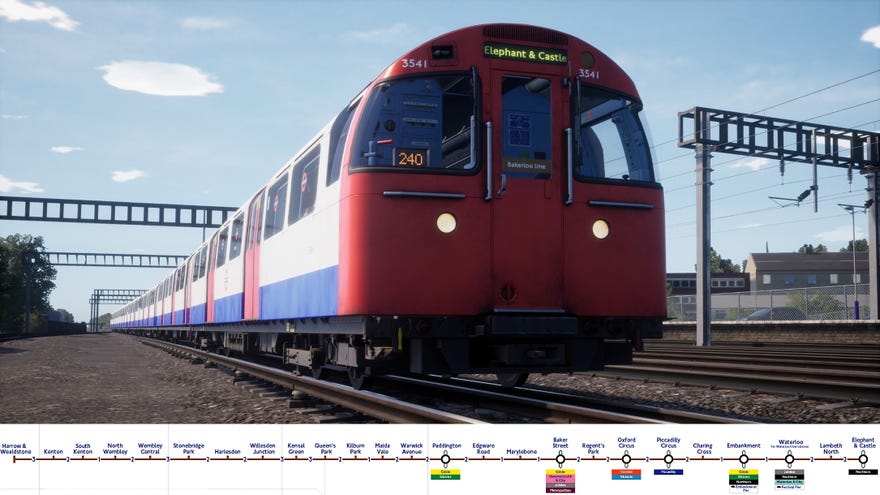
Welcome aboard this Train Sim World 2Bakerlooservice from Harrow &Wealdstoneto Elephant & Castle. As the London Underground employee who should have been driving the train is a trifle indisposed following an encounter with a chloroform-soaked flannel, I’ll be whisking you into the heart of the Big Smoke today.
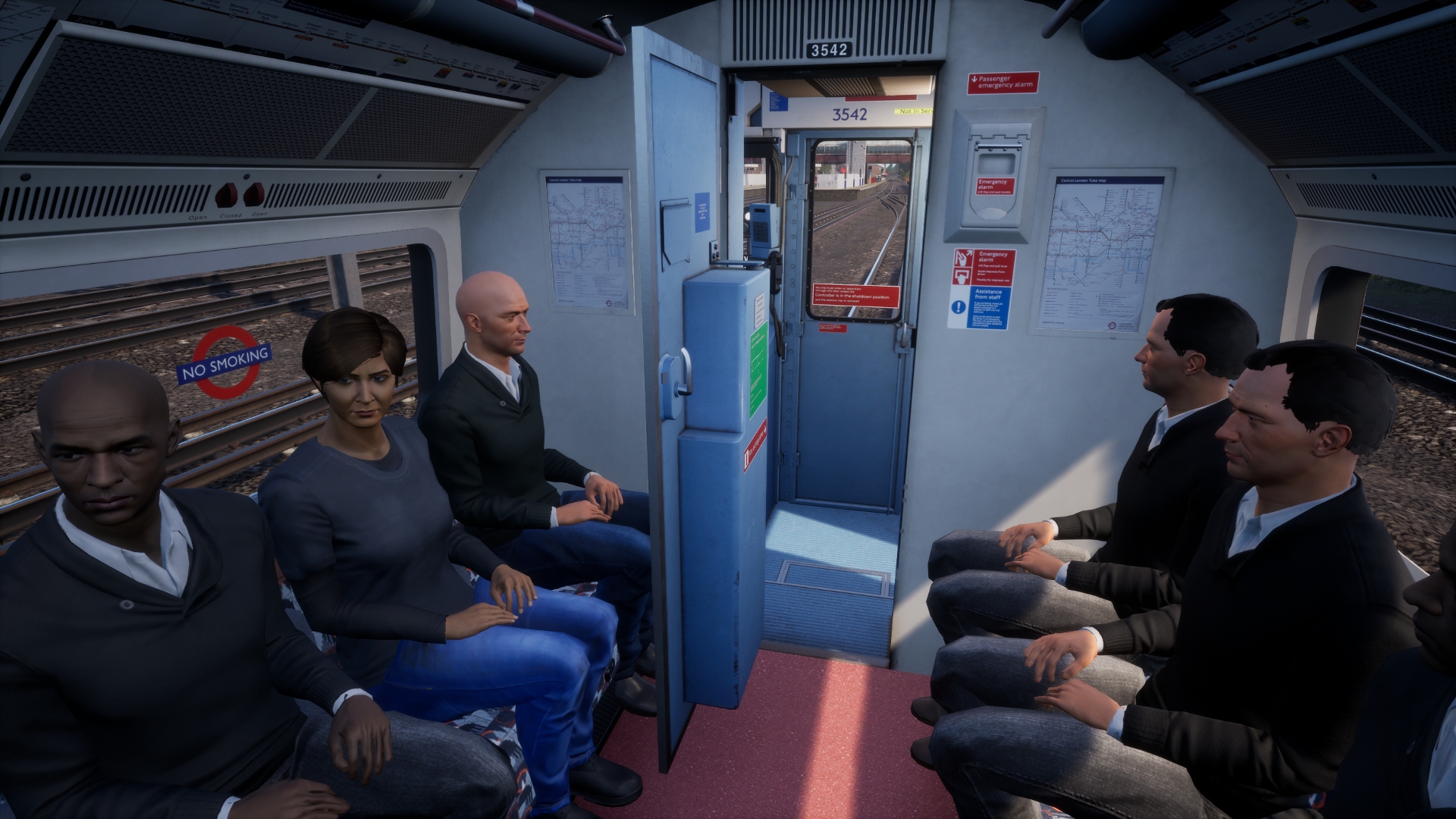
Seeing as no-one seems to have brought reading matter, digital entertainment devices, knitting, or tongues with them, and Dovetail’s scenery is somewhat lifeless, how about I leave the cab door open during the trip and regale you with topographical tidbits as I drive?
I’ll take that stony silence as a “Go for it, Tim!”.
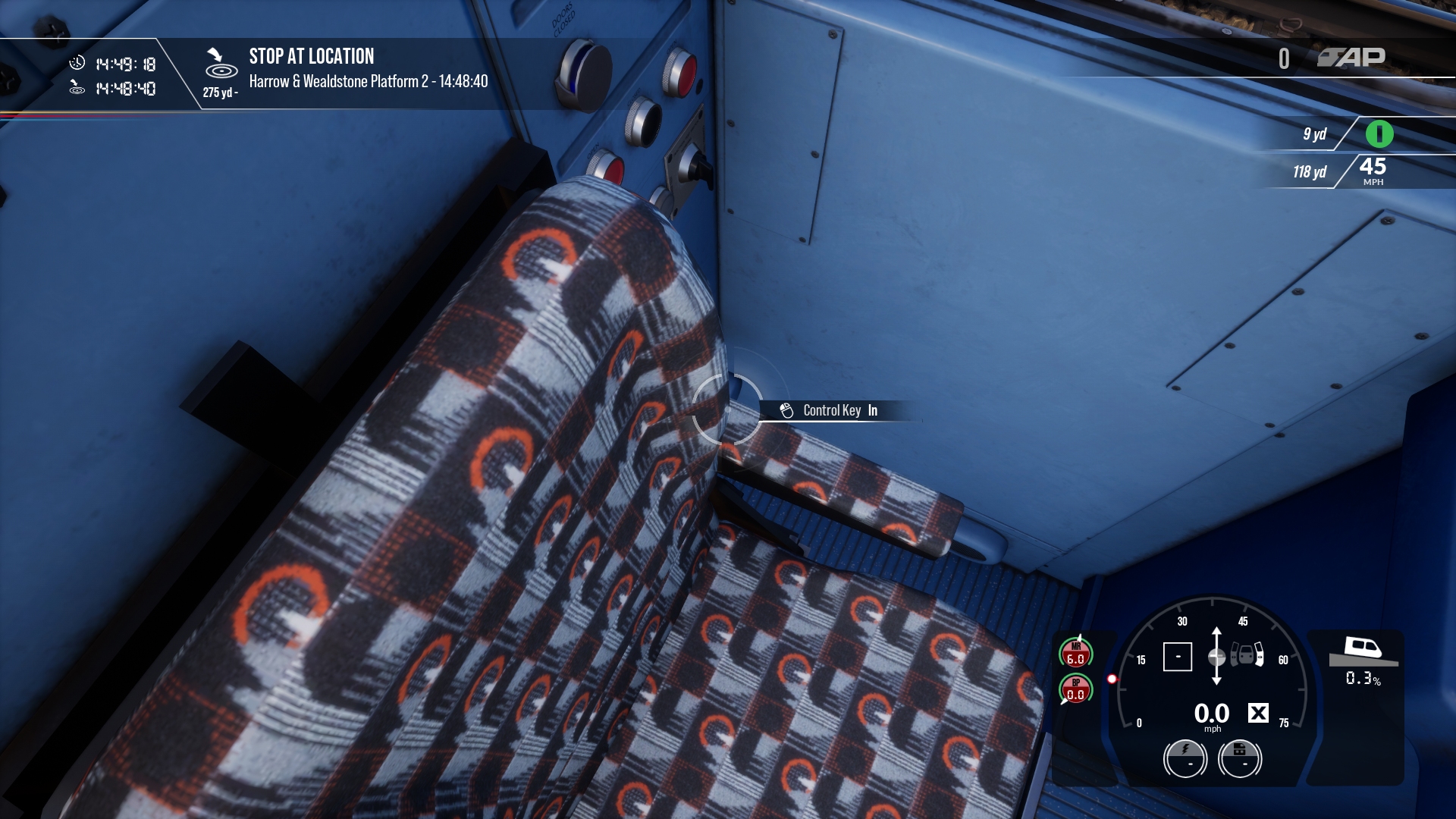
Bear with me. In order to ready this veteran electric multiple unit for use (1972 Stockis the oldest currently in service on the London Underground) I just need to insert the control key downhere, pop the direction selector handle into the controller on the right (the controller on the left is a combined brake/throttle/dead man’s handle) and flip a few light switches on the other side of the cab.

Right, I think we’re now ready to trundle the couple of hundred yards to our first stop.
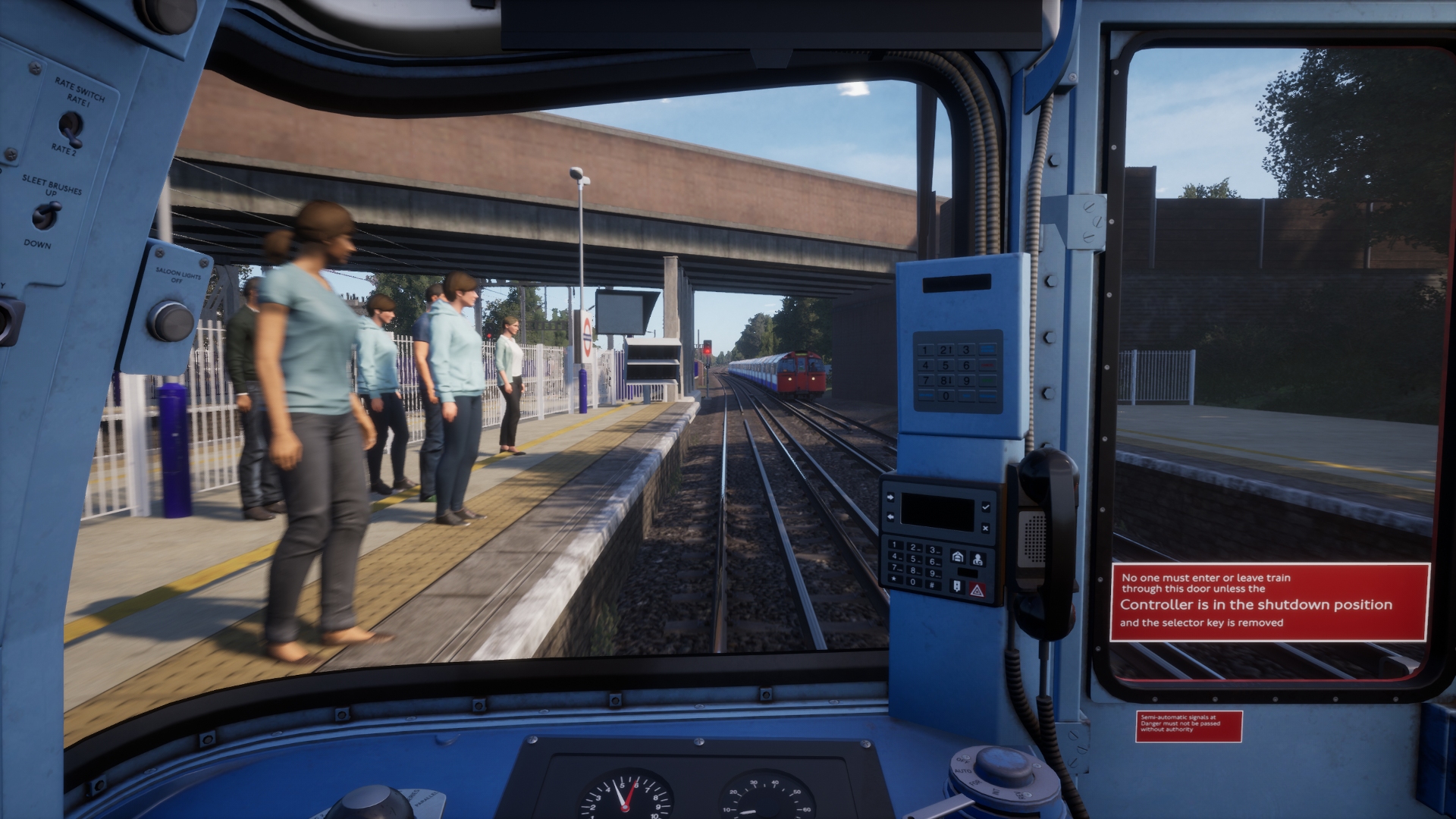
Harrow & Wealdstone, the northern extremity of the Bakerloo Line since LU services to Watford were discontinued in the 1960s, has an unenviable place in British railway history. It was here in October 1952 that the UK’s worst ever peacetime rail accident occurred. Three trains were involved as this Pathé news report explains…
Watch on YouTube
Watch on YouTube

Quite why the overnight Perth to Euston express ignored the one colour light signal and the two semaphore signals that were protecting the crowded commuter train waiting at platform 4, will never be known; the footplate crew responsible for the dreadful mistake were among the 112 people killed in the collision.

Watch on YouTube
Watch on YouTube

Because the Bakerloo Line runs parallel to theWest Coast Main Linehere and shares tracks withLondon Overgroundtrains, real-life Harrow & Wealdstone is a great place for train watching. I’d suggest you keep your eyes peeled for passing Pendolinos, Aventras, Desiros and the like if Dovetail had taken the trouble to model non-LU services. Sadly, they haven’t. Whoever’s calling the shots down at Chatham doesn’t seem to realise how much pleasure the average train simmer derives from ogling incidental traffic.
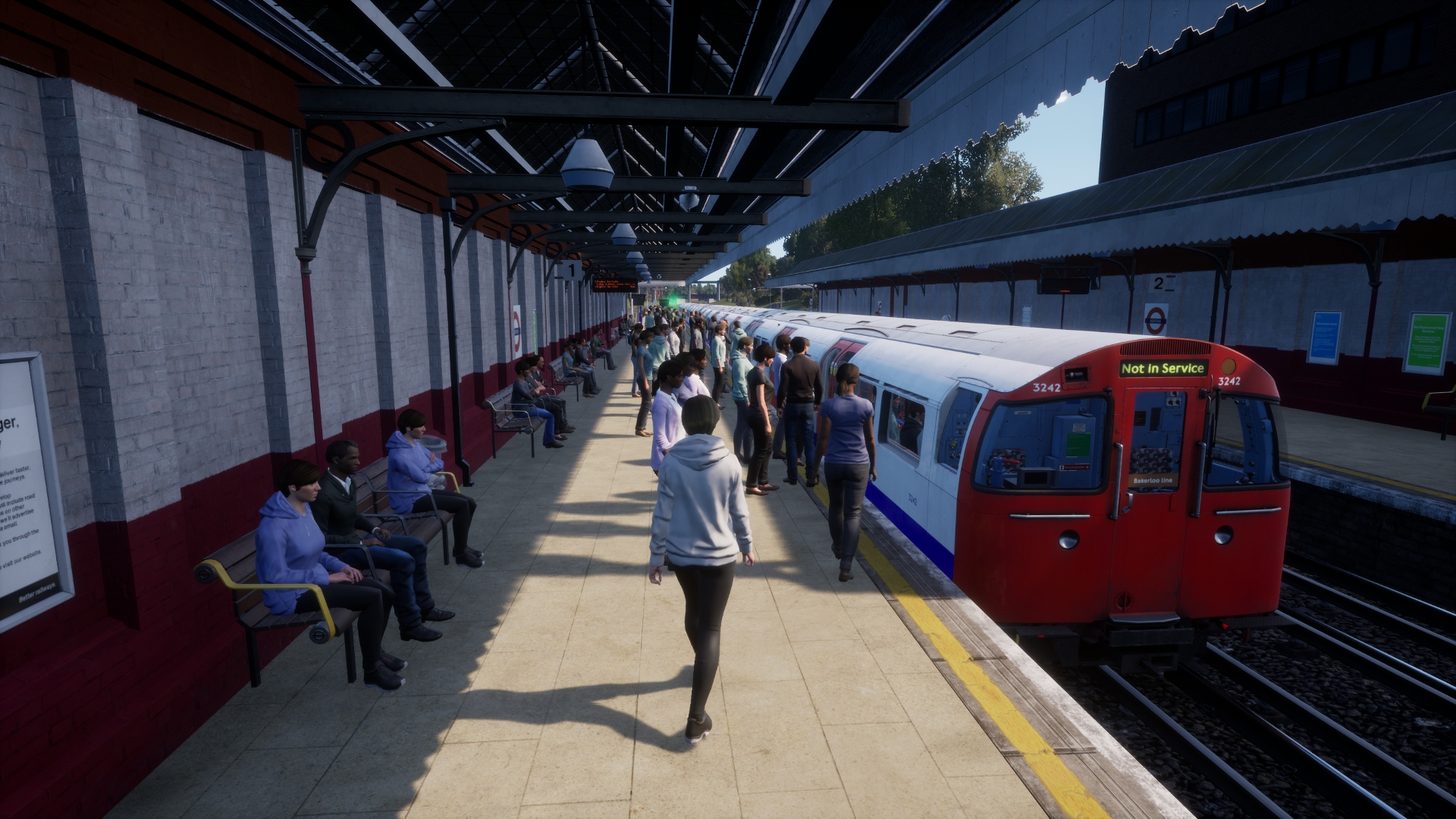
Kenton already? Alight here if you’re a fan of classic British TV comedy. A five minute stroll from the station is the leafy suburban road junction where Basil Fawlty gave a recalcitrant Austin 1100 Countryman “a damn good thrashing”.

Middlesex
Gaily into Ruislip GardensRuns the red electric train,With a thousand Ta’s and Pardon’sDaintily alights Elaine;Hurries down the concrete stationWith a frown of concentration,Out into the outskirt’s edgesWhere a few surviving hedgesKeep alive our lost Elysium – rural Middlesex again.
Gentle Brent, I used to know youWandering Wembley-wards at will,Now what change your waters show youIn the meadowlands you fill!Recollect the elm-trees mistyAnd the footpaths climbing twistyUnder cedar-shaded palings,Low laburnum-leaned-on railingsOut of Northolt on and upward to the heights of Harrow hill.
Parish of enormous hayfieldsPerivale stood all alone,And from Greenford scent of mayfieldsMost enticingly was blownOver market gardens tidy,Taverns for the bona fide,Cockney singers, cockney shooters,Murray Poshes, Lupin Pooters,Long in Kensal Green and Highgate silent under soot and stone.
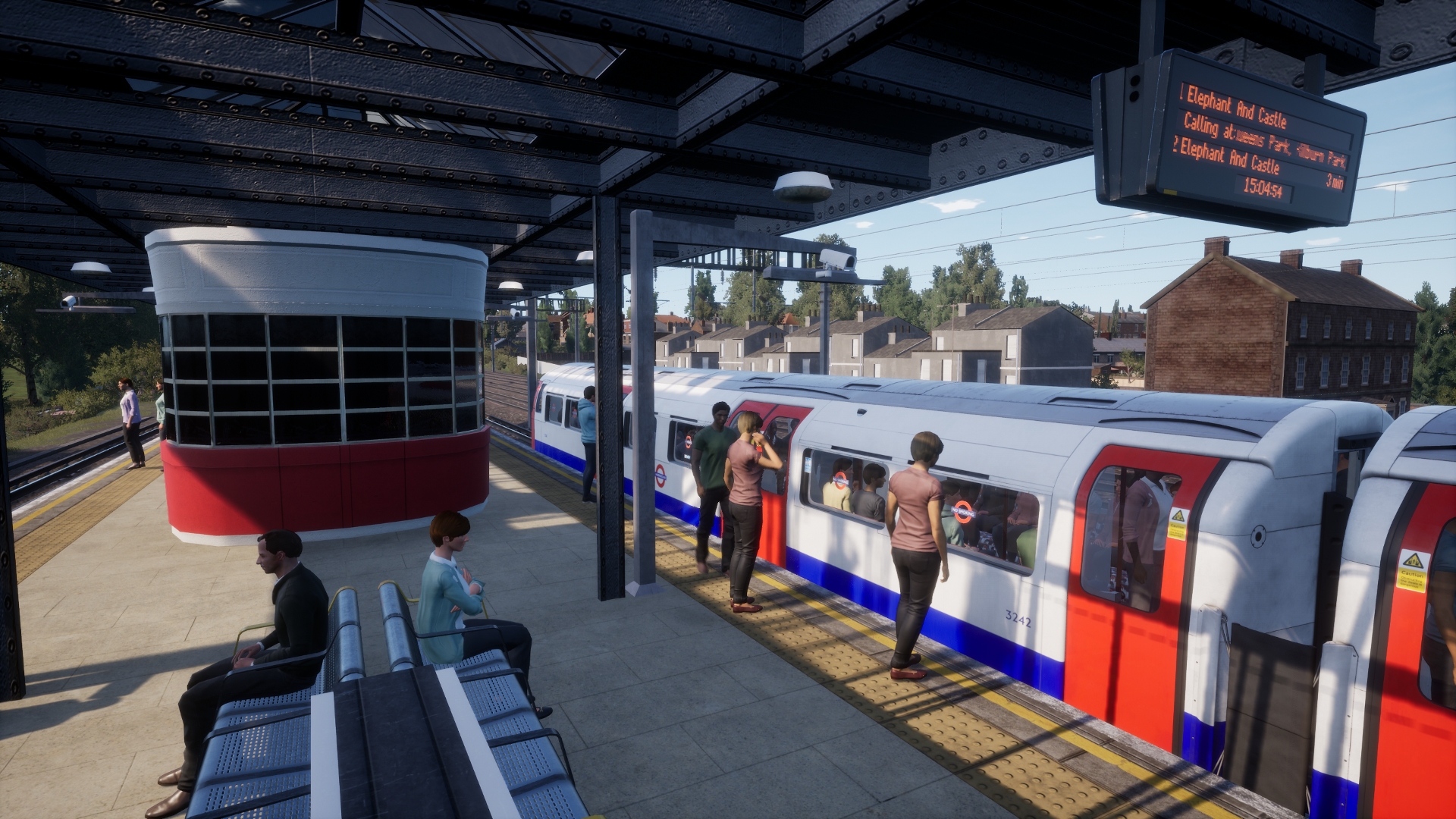
Talking of “taverns for the bona fide” South Kenton, the next station on our route, boasts – in reality at least – a splendid platform-adjacent public house. The Dutch-style Grade III listed Windermere has been urging Bakerloovians to “TAKE COURAGE” since 1938 and really deserved a bespoke structure in TSW2 instead of the generic brick one it’s ended up with.
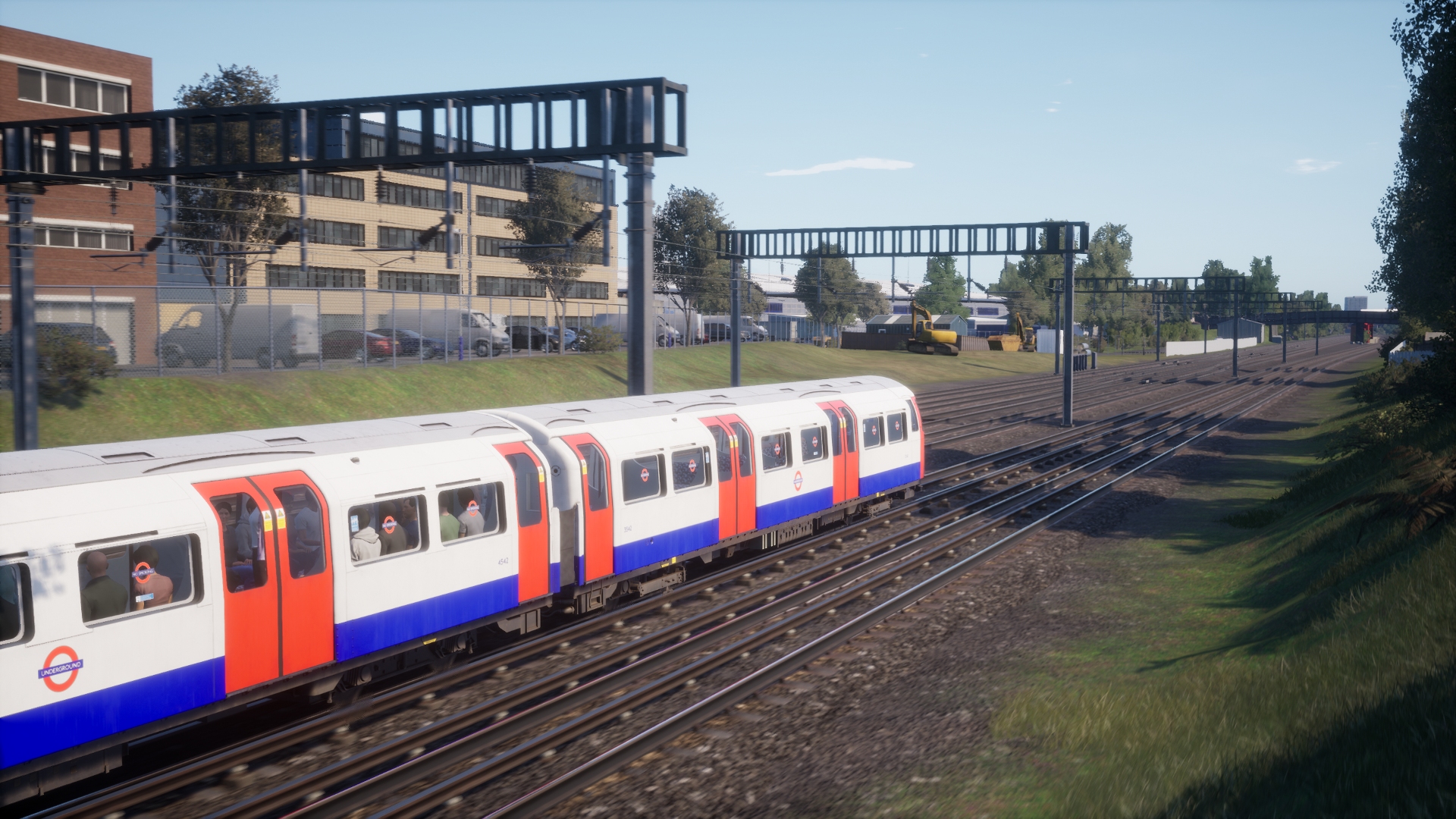


During our brief stop at North Wembley, why not enjoy one of the review code’s most entertaining bugs. If you’re lucky you may see a few passengers launched into the sky like bottle rockets on crossing the threshold between train and platform. I’m all for Minding the Gap but feel this degree of caution may actually be counterproductive.
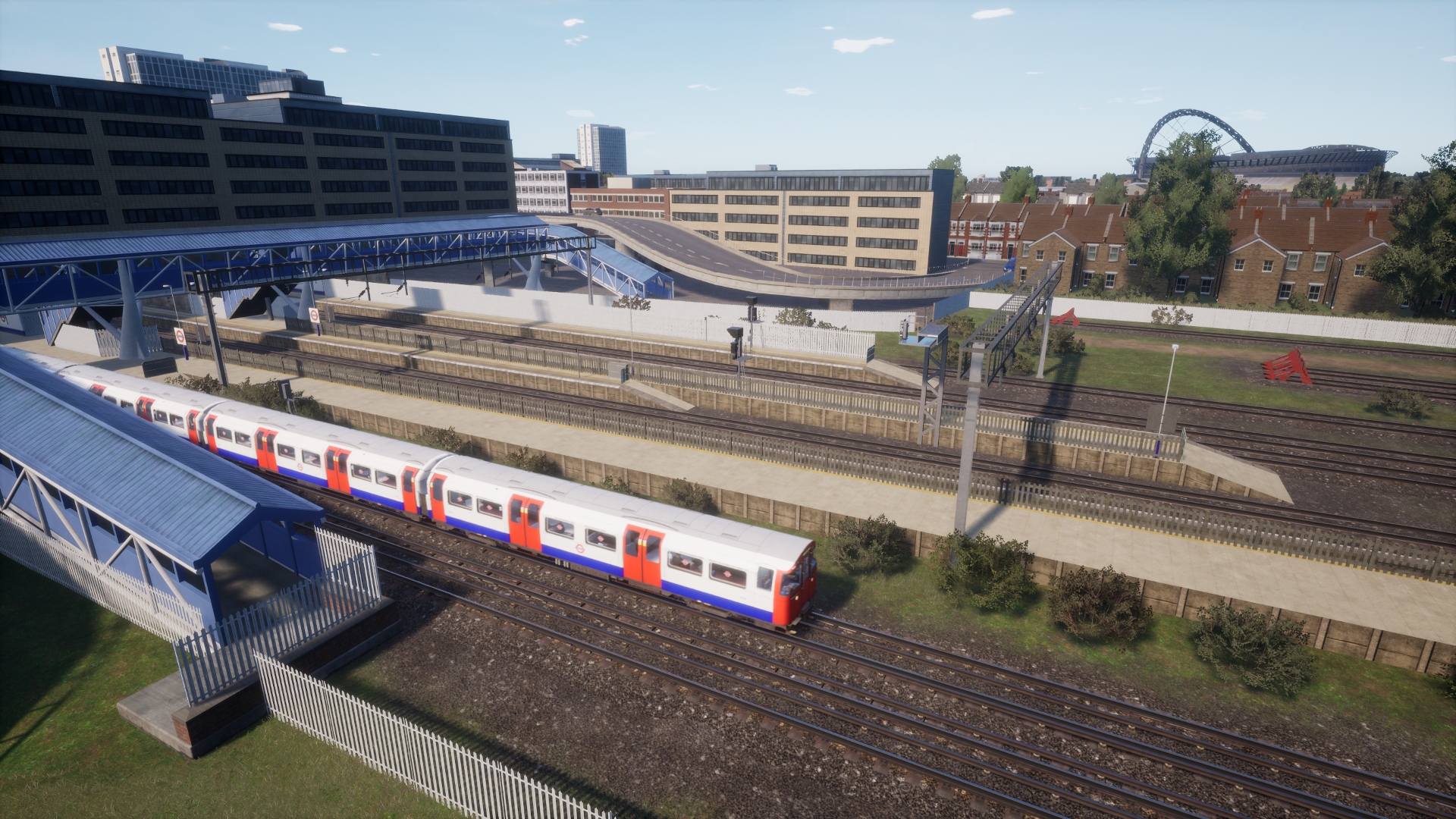
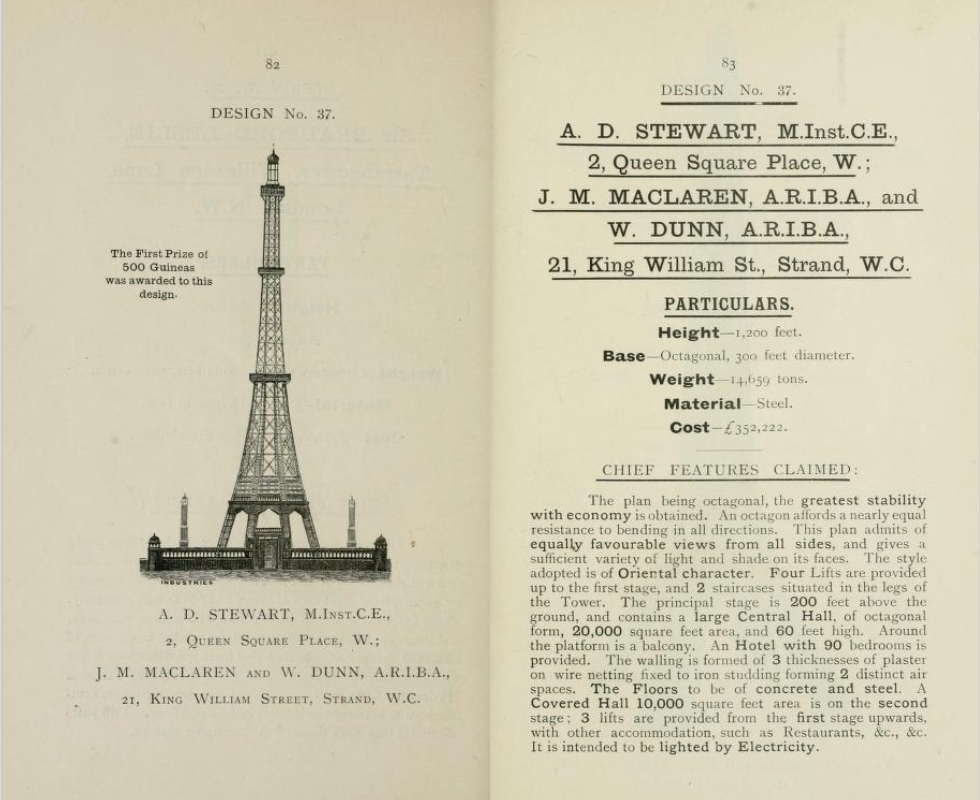
If Sir Edward Watkin had had his way the most famous landmark visible from Wembley Central, stop number five, would have been a tower not a sports stadium. A serial railway entrepreneur, Watkin believed that Londoners would flock to use the Metropolitan Railway (of which he was chairman) if there was something stupendous waiting for them in bucolic Wembley. A vast pleasure garden dotted with bandstands, boating lakes, and sports facilities was deemed insufficiently stupendous on its own. What was needed was something similar to, but taller than (natch), the recently completed Eiffel Tower.
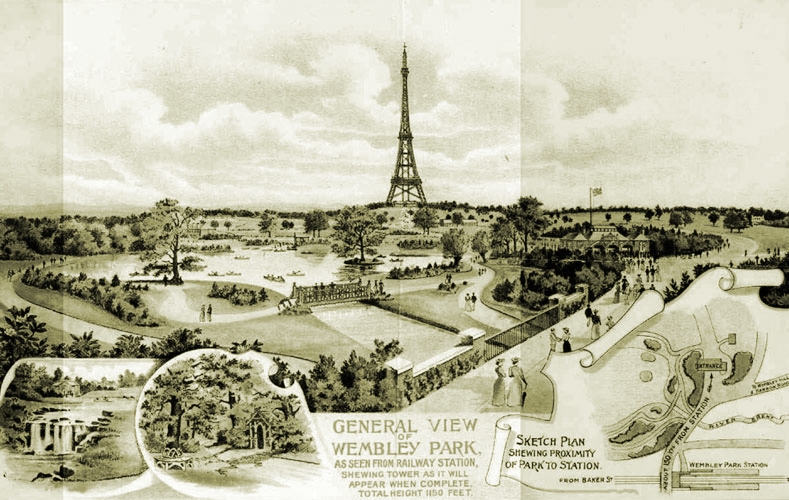
When Monsieur Eiffel refused the commission on patriotism grounds (“people would not think me so good a Frenchman as I hope I am.”) Watkin organised a design competition with a 500 guineas prize. There were68 submissionsin all.
Sadly, designs such as S. Fisher’s…
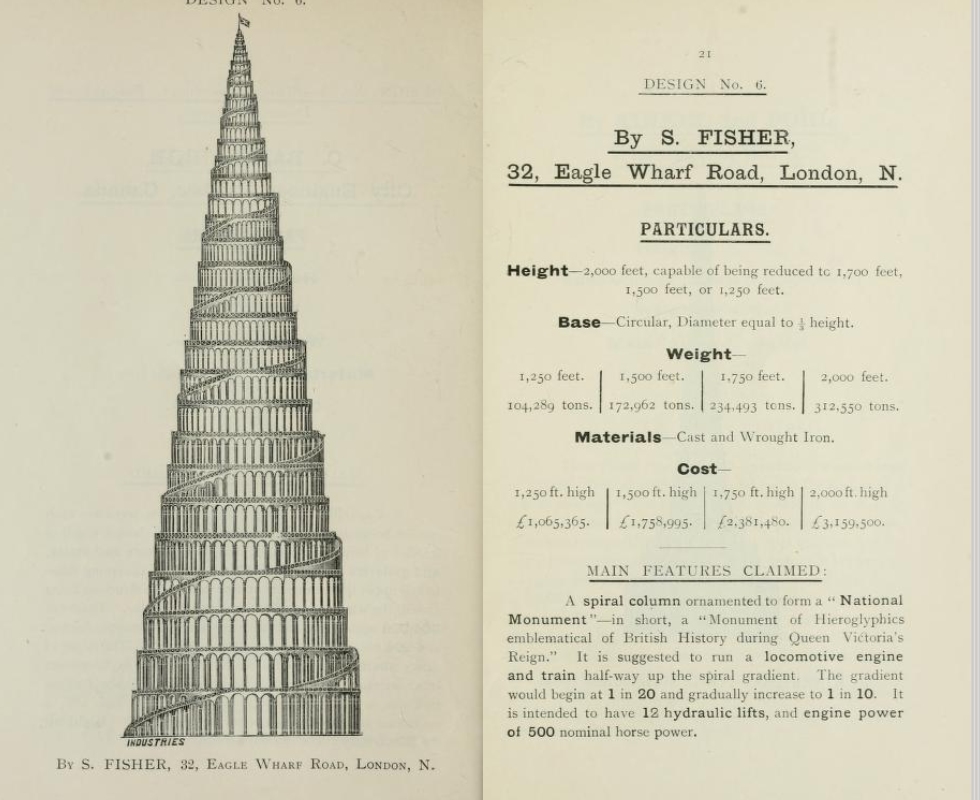
“It is suggested to run a locomotive engine and train half-way up the spiral”
J. H. M. Harrison-Vasey’s…
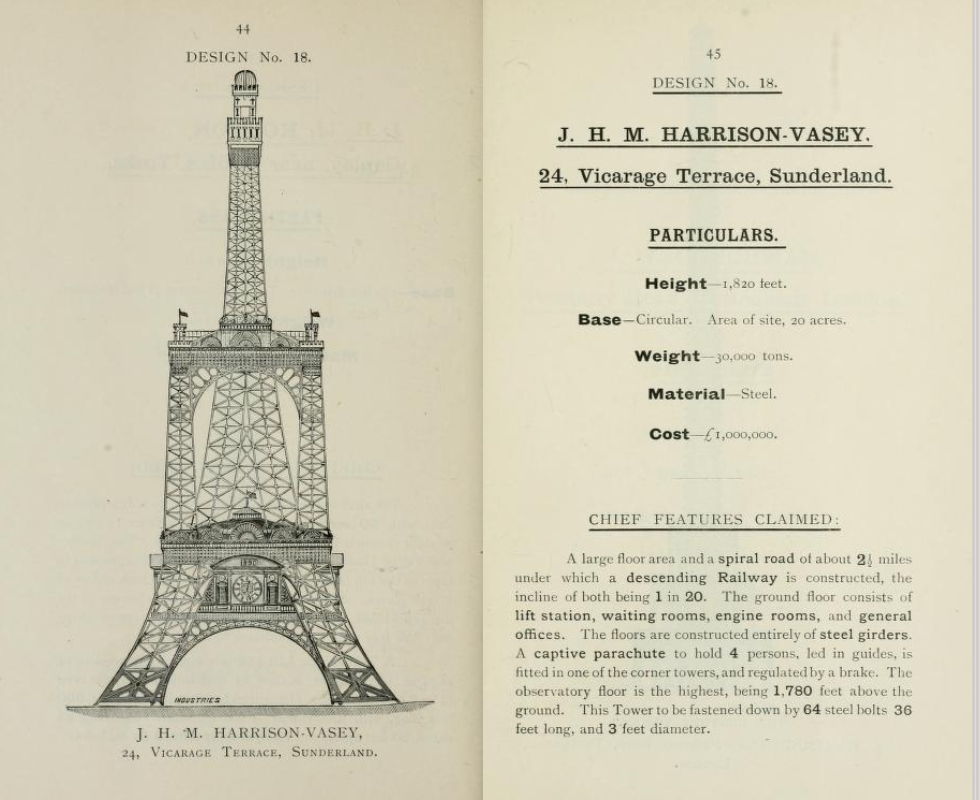
and J. Tertius Wood’s…
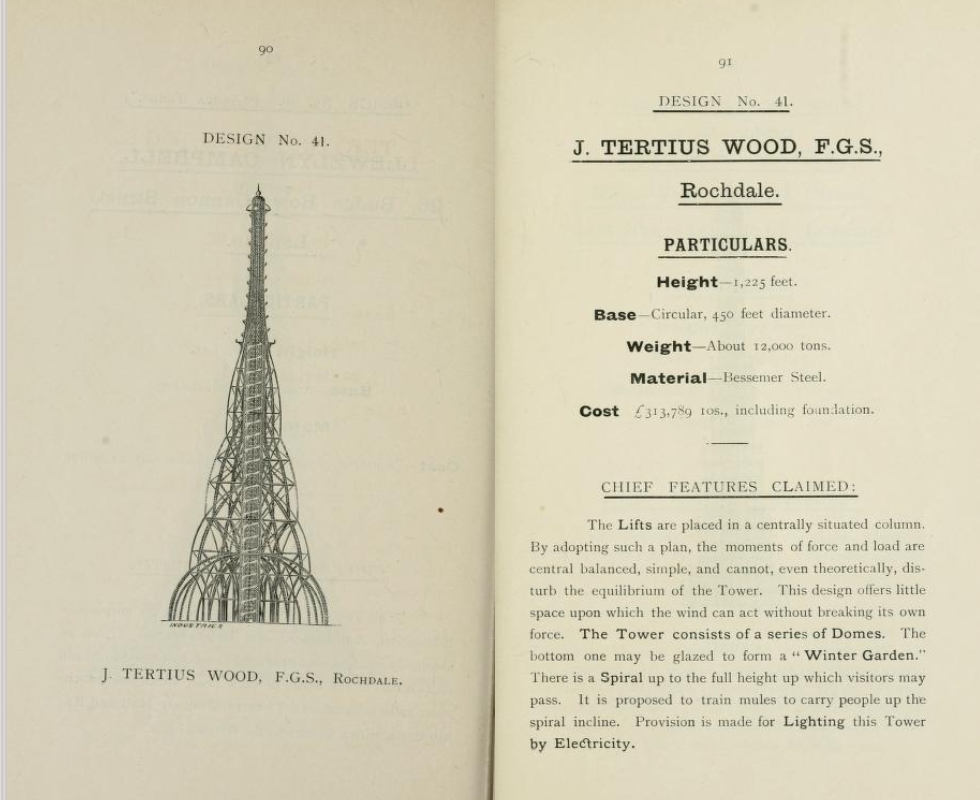
“There is a Spiral up to the full height up which visitors may pass. It is proposed to train mules to carry people up the spiral incline.”
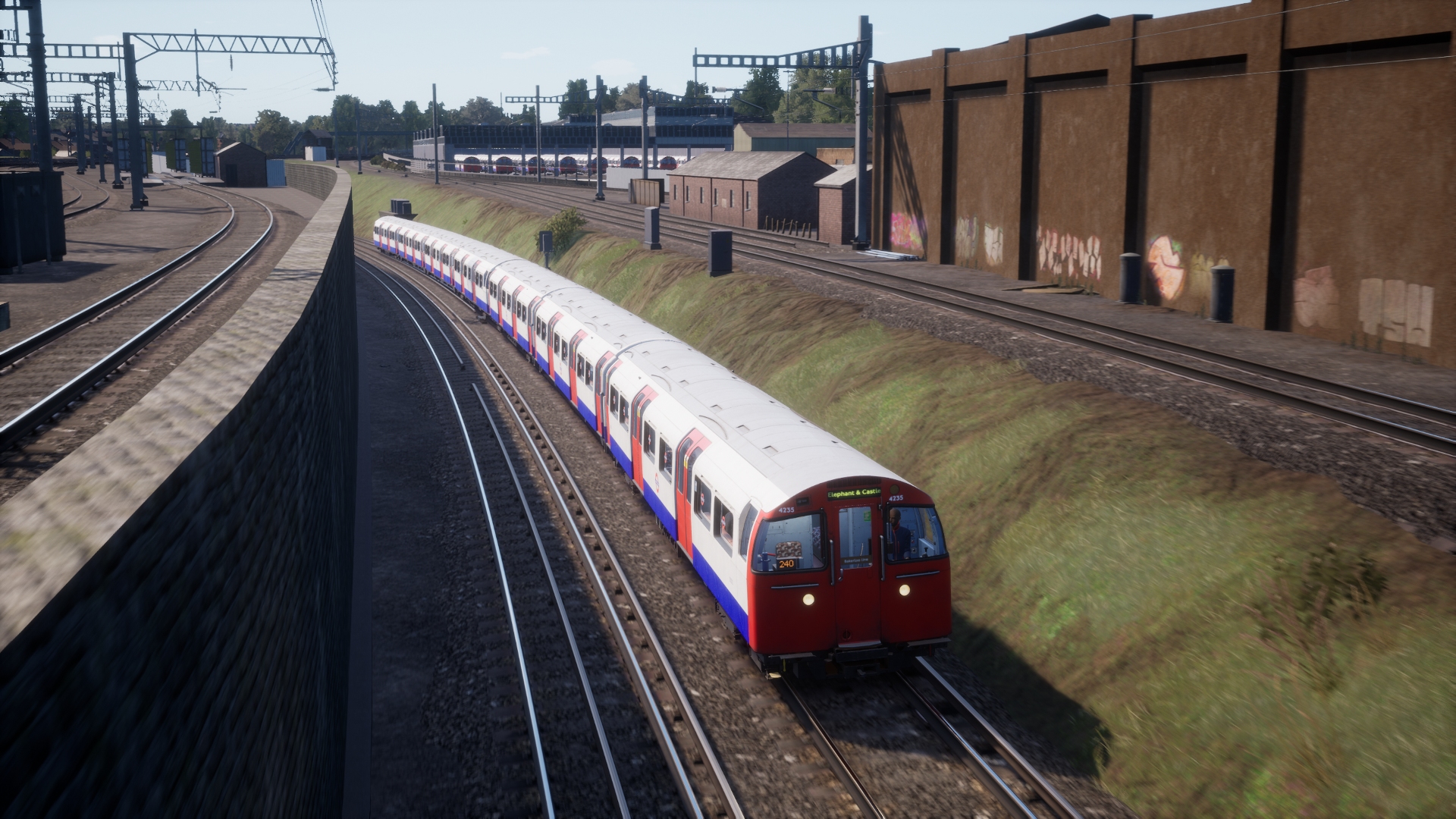
Leaving Wembley Central we dart under the WCML emerging close to the Bakerloo’s main depot. In a minute or so we’ll be pulling into Stonebridge Park, the LU station you trudge to after some swine swipes your belovedTritonwhile you’re in theAce Cafedemolishing a full English.

After Stonebridge Park comes Harlesden, when the wind is blowing from the SW, probably the capital’s most aromatic Tube station. The appetising smell comes from that big grey building over yonder. If you’re British and wheat tolerant you will definitely have eaten something baked in Europe’s biggest biscuit factory. McVitie’sRich Tea, ChocolateHobnobs,Digestives, and chocolate digestives… they all hail from Harlesden. Britons consume over 71 million packets of the latter every year (roughly 52 biscuits per second). While my contribution to this sterling effort has dwindled of late, I try to help out whenever I can.
Watch on YouTube
Watch on YouTube

Not all of the bombs that ravaged this part of Greater London during the last war were made in Germany. A few had local origins. Between January 1939 and March 1940 the IRA planted 300 infernal machines on the British mainland. The targets of the ‘S-Plan’ (S = sabotage) were largely infrastructural but ten people died and around a hundred were injured as a result of the campaign. In Harlesden a bridge carrying electricity cables across thePaddington Armof the Grand Union Canal was hit. In Stonebridge Park an aqueduct was molested. In Willesden (our next port of call) the bombers had a go at a railway line.
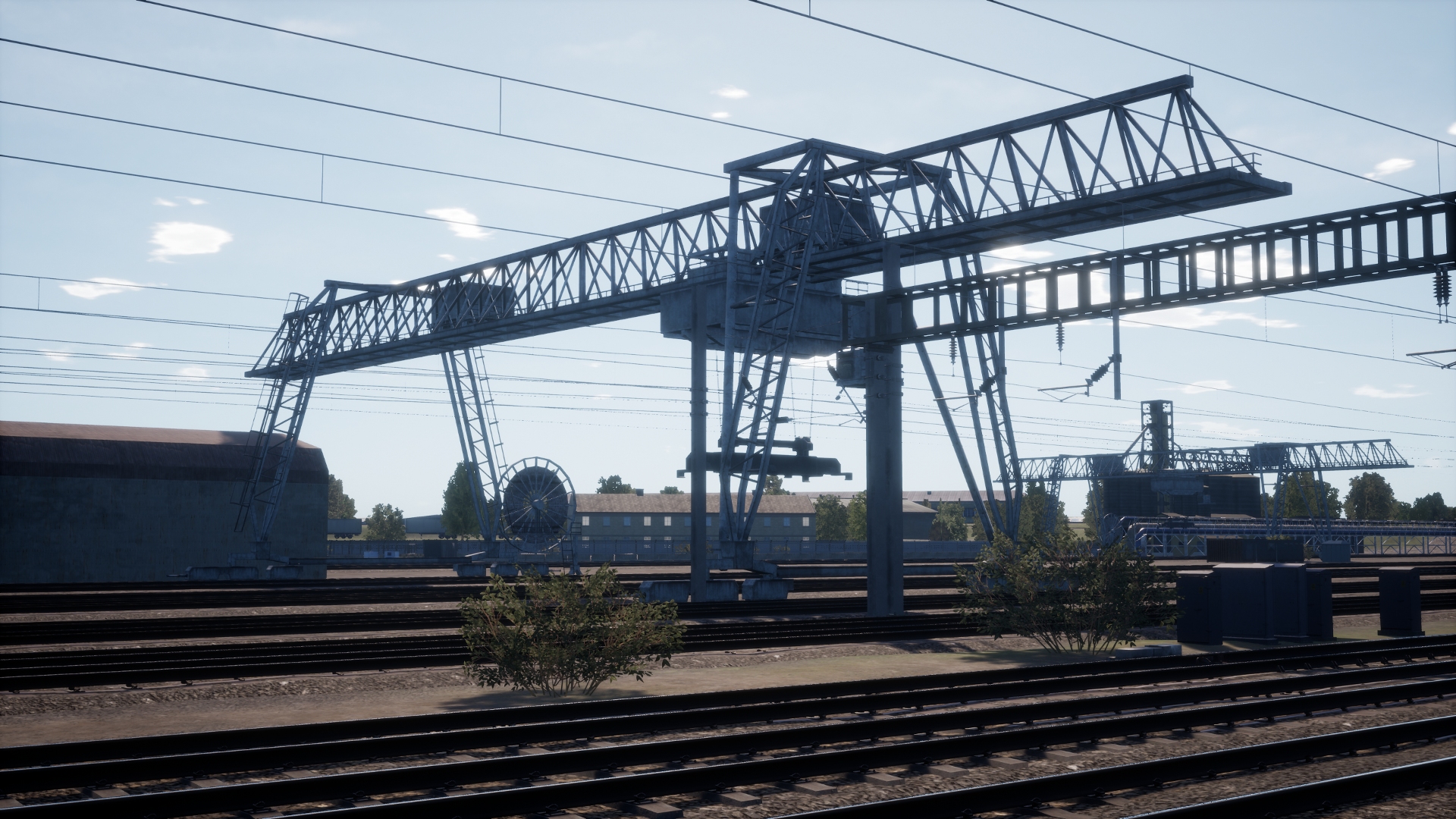
The towering container cranes dashing past on our right at present have more than substantial steelwork and quadrupedalism in common with Watkin’s Folly. The massive freight yard they loom over was built to handle a stream of Eurotunnel freight trains that unfortunately never materialised. Dovetail fail to acknowledge that three of the four track-straddlers were demolished early last year in preparation for the yard’s new role as anHS2construction hub and that all wore striking yellow paintjobs.

Willesden Junction station is a complicated affair. We’re using the lower portion. A couple of minutes after departing the high-level part, southbound trains cross the line featured inthe first Flare Path rail touron their way to either Acton Central or Shepherds Bush.
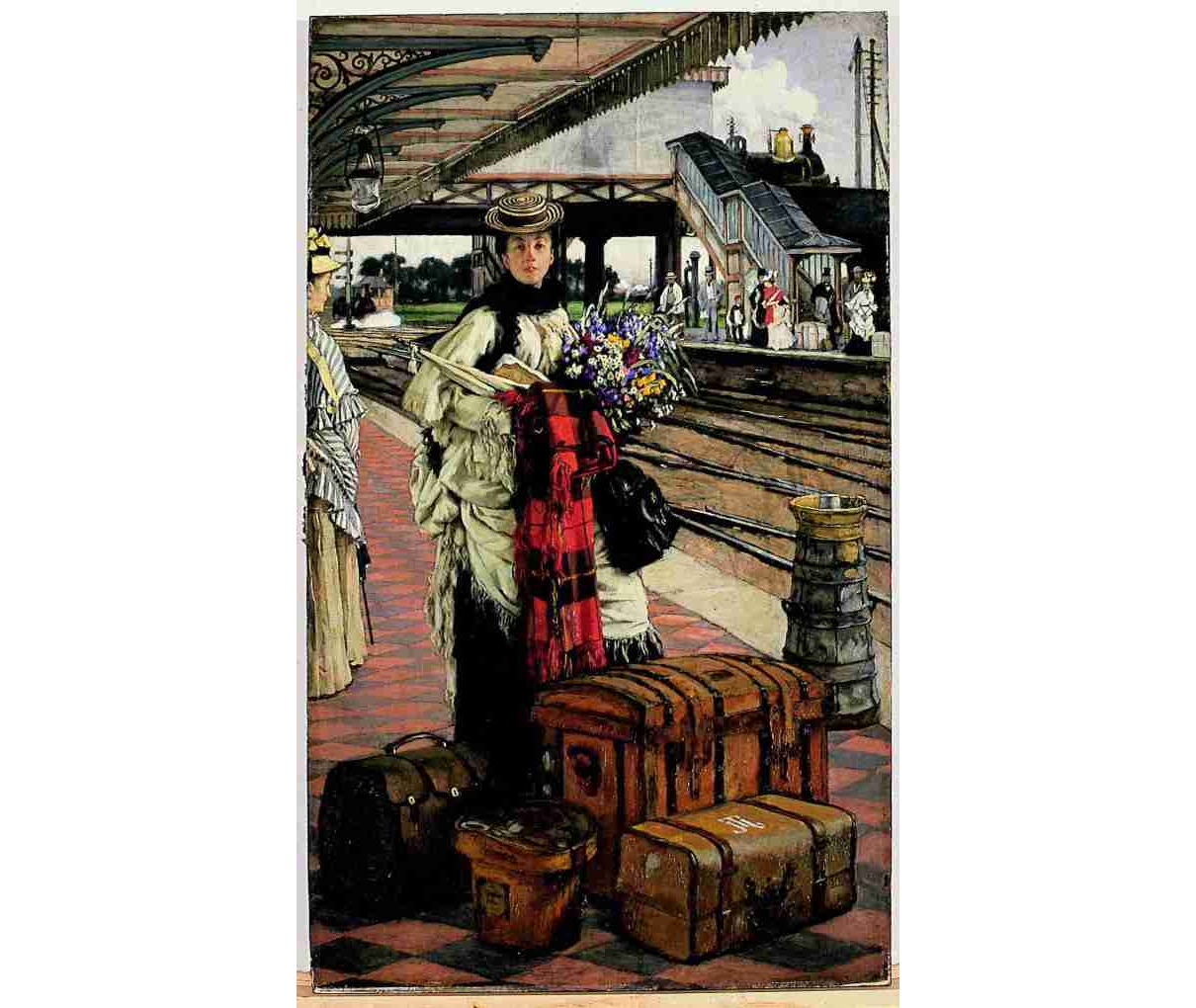
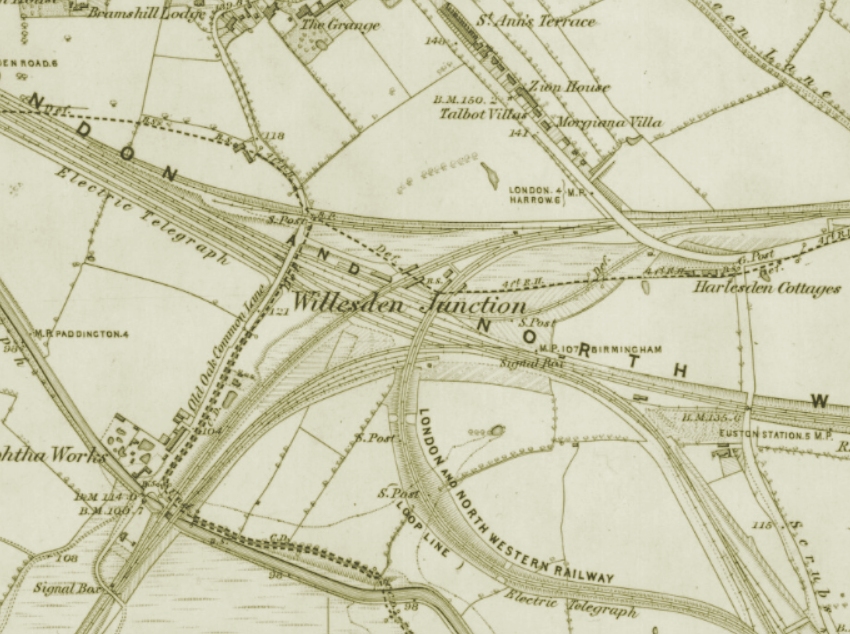
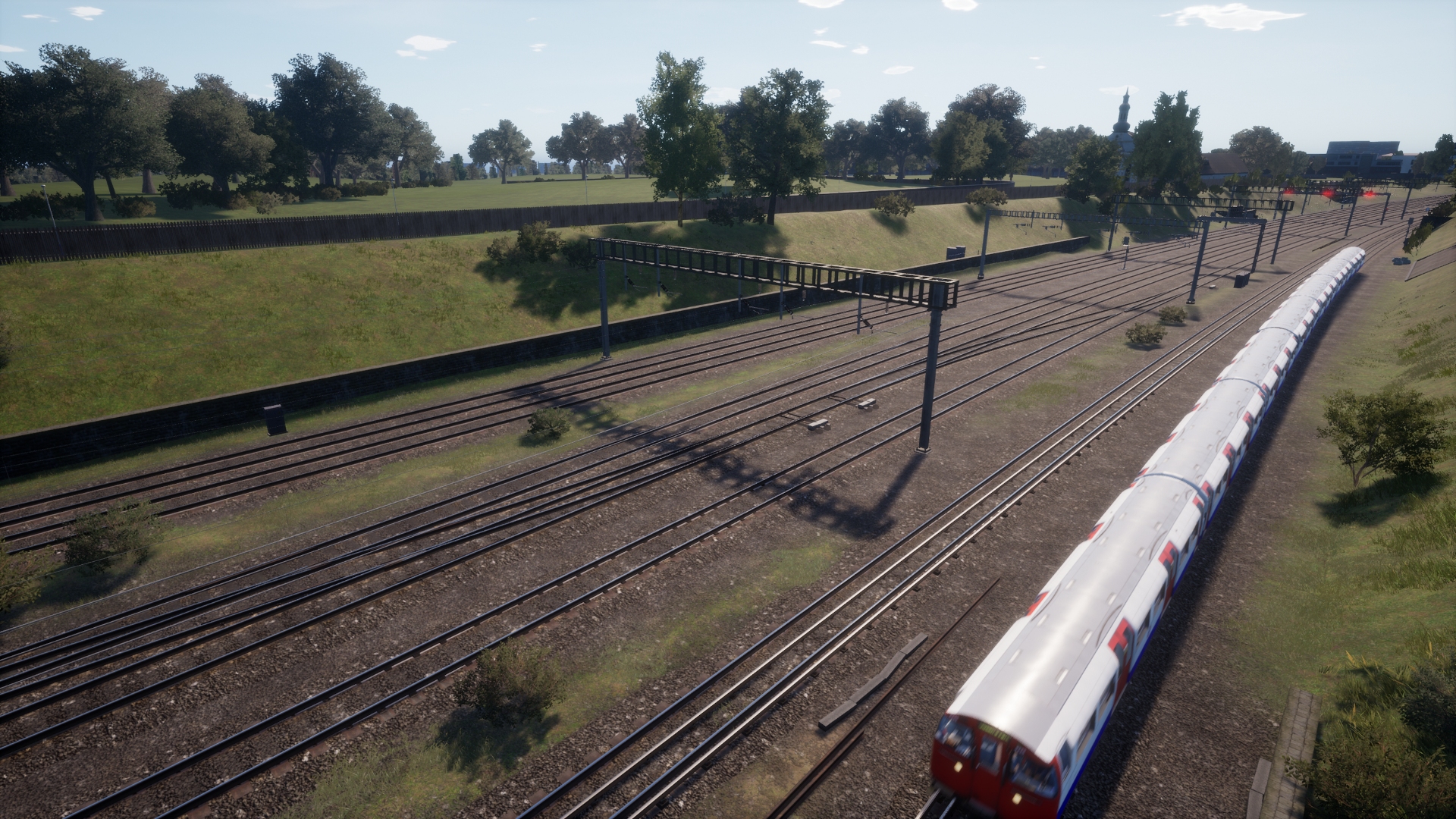
TSW2 implies that a tract of this farmland just to the east of the junction survives to this day. Actually the green space unfurling on our starboard beam isKensal Green Cemetery, one of the capital’s ‘Magnificent Seven’ boneyards. Among the luminaries dirtnapping there are Victorian storytellersAnthony TrollopeandWilkie Collins, engineer par excellenceIsambard Kingdom Brunel, Niagara daredevilCharles Blondin, and Overclockers' first customerCharles Babbage.
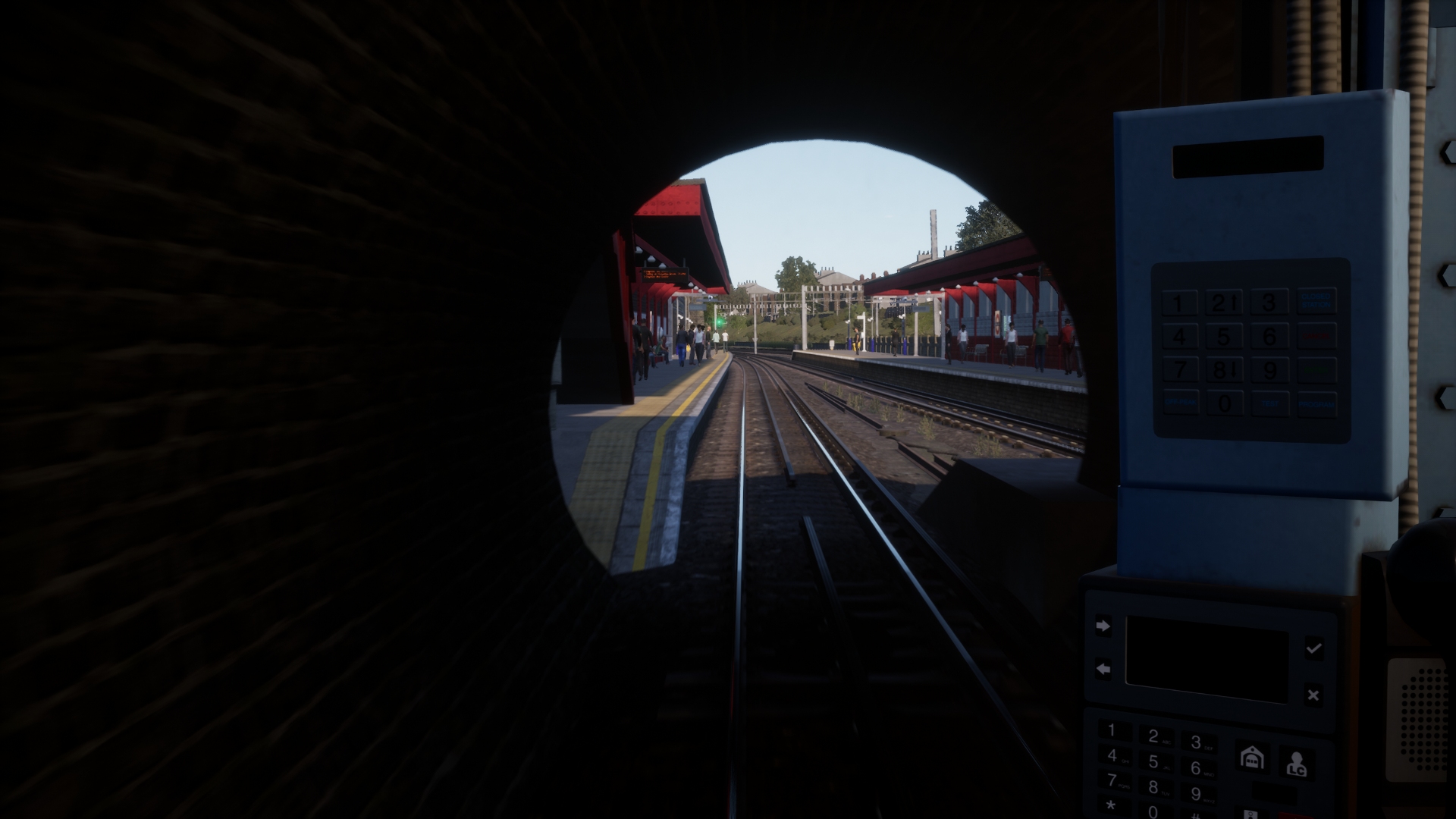
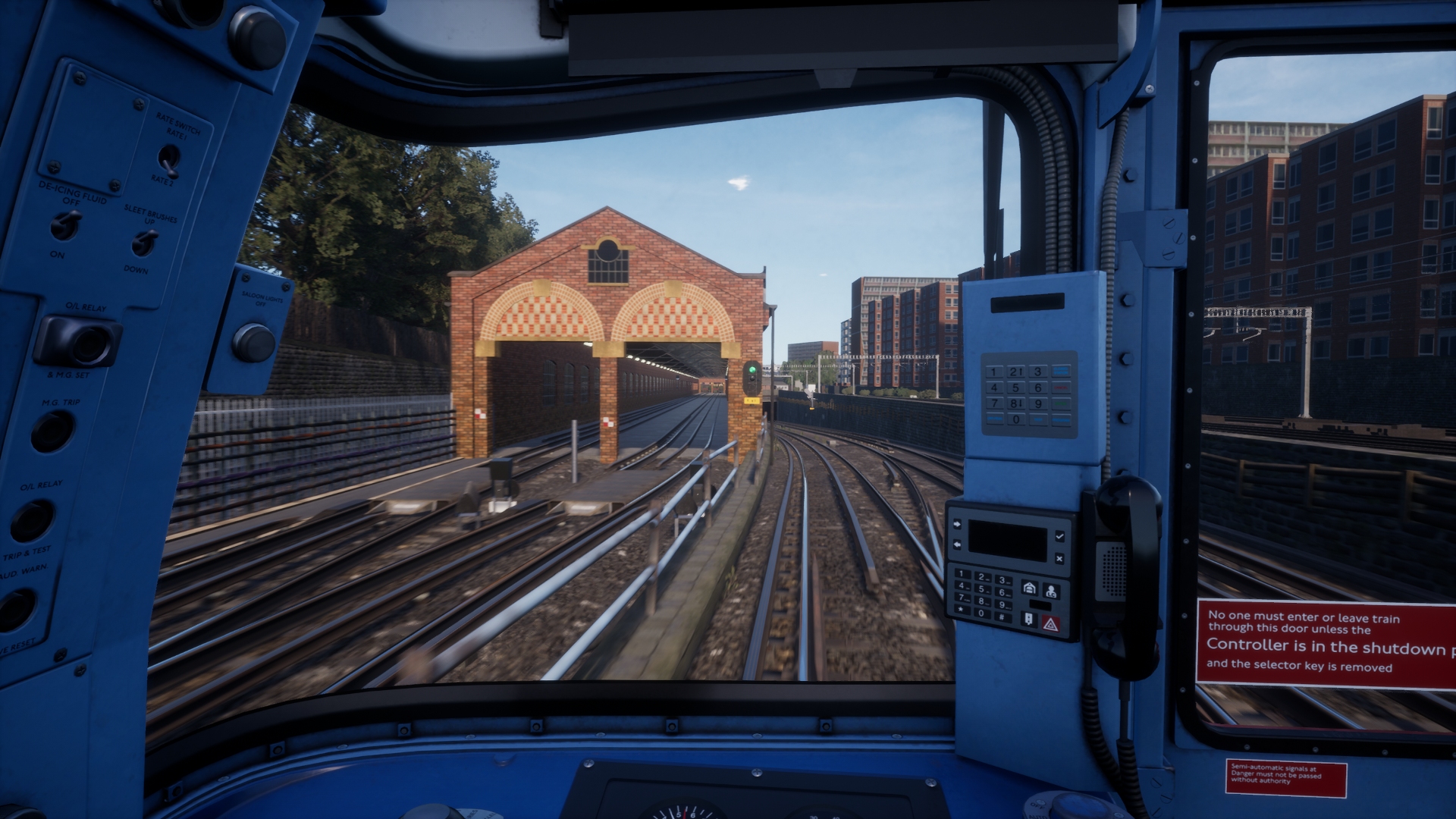
My favourite bit of the entire route is imminent. Approaching Queen’s Park, true to prototype, we beetle through a train shed…

And beyond the station, pass a fetching facade before descending a surprisingly steep bank into the bowels of West London.
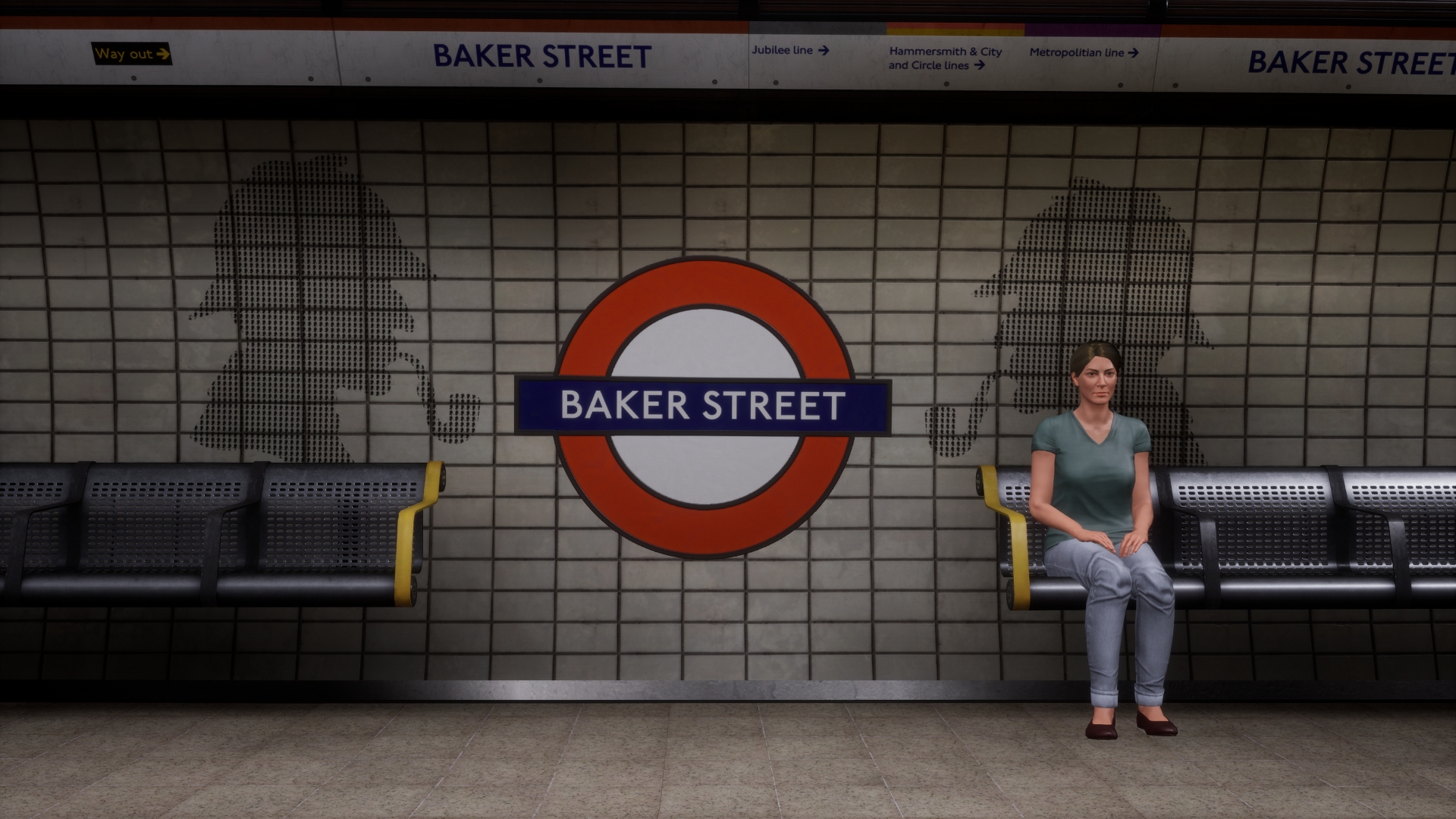
I hope to get a little further than that restless rambler when I start exploring Bakerloo’s darker reaches next week. Join me next Friday for more TSW2 observations, Tube trivia, and extracurricular history.
Watch on YouTube
Watch on YouTube

