HomeFeaturesTask Force Admiral
The Flare Path talks Task Force Admiral“Morale? Personally, I am not a fan.”
“Morale? Personally, I am not a fan.”
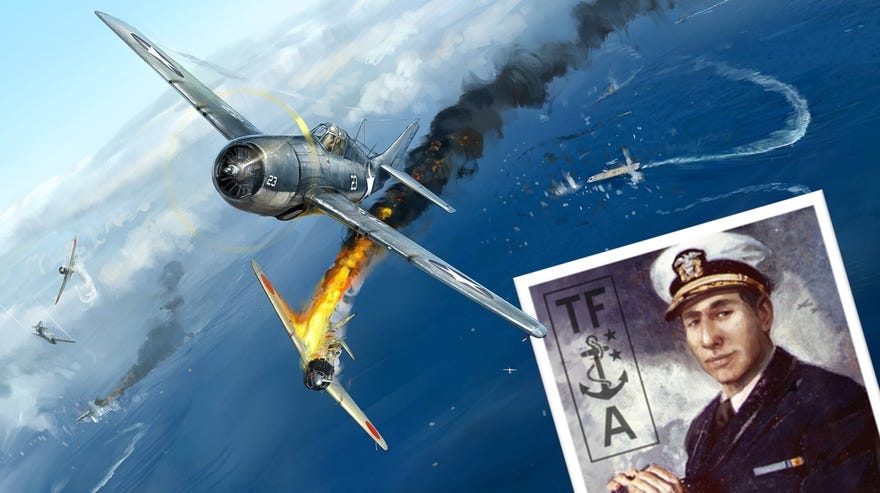
For a man patently hellbent on developing the most realistic Pacific Theatre of Operations wet wargame ever, French flat-top fan ‘Amiral Crapaud’ uses the ‘R’ word extremely sparingly. Still at least a year away*,Task Force Admiral Volume 1: American Carrier Battlesis a project withancienttouchstones, but a thoroughly modern approach to graphics, physics, and whatCarl von Clausewitzcalled “friction”. I’ve high hopes for Drydock Dream Games' debut diversion. Read the followingShinano-sized interview to understand why.
- A limited playable beta may arrive before 2021.
Watch on YouTube
Watch on YouTube
RPS: Was I wrong to describe Task Force Admiral as a “naval Combat Mission” when I first mentioned it in Flare Path?
Amiral Crapaud:Well, I wouldn’t say you were wrong – being compared to a landmark like Combat Mission is flattering enough for me not to dare contradicting you! Yet, in terms of basic mechanics, Task Force Admiral is only remotely related. CM is, of course, famed for its turn-based WEGO approach, while we are exclusively real-time. Still, I can think of two aspects which – in all humility of course – brings us close in terms of game-design.
First of all, Combat Mission’s WEGO architecture coupled with order delays recreates precisely the sort ofcommand and controlissues that are at the centre of our own gameplay. C3I woes should be a core feature of any game that wishes to put you in the boots of a commander in the field, or the shoes of an admiral at sea.


The other aspect that I find reminiscent is the way the series has been developed. Combat Mission was conceived as a multi-volume anthology. The engine that simmed Normandy was versatile enough to ultimately tackle the fighting in North Africa, Italy and the Soviet Union. At our own level, we harbour the same ambition of providing the genre with an engine that will be powerful enough to become and remain a standard for years to come. In addition to the usual perks of re-using a solid and well-known core of code, in our case the simulation-based nature of the engine gives us complete freedom of action when it comes to choosing a direction for our future plans.

RPS: Volume I will cover a relatively short time period - December 1941 to January 1943. In terms of tech and tactics, will early engagements have a noticeably different feel to late ones?
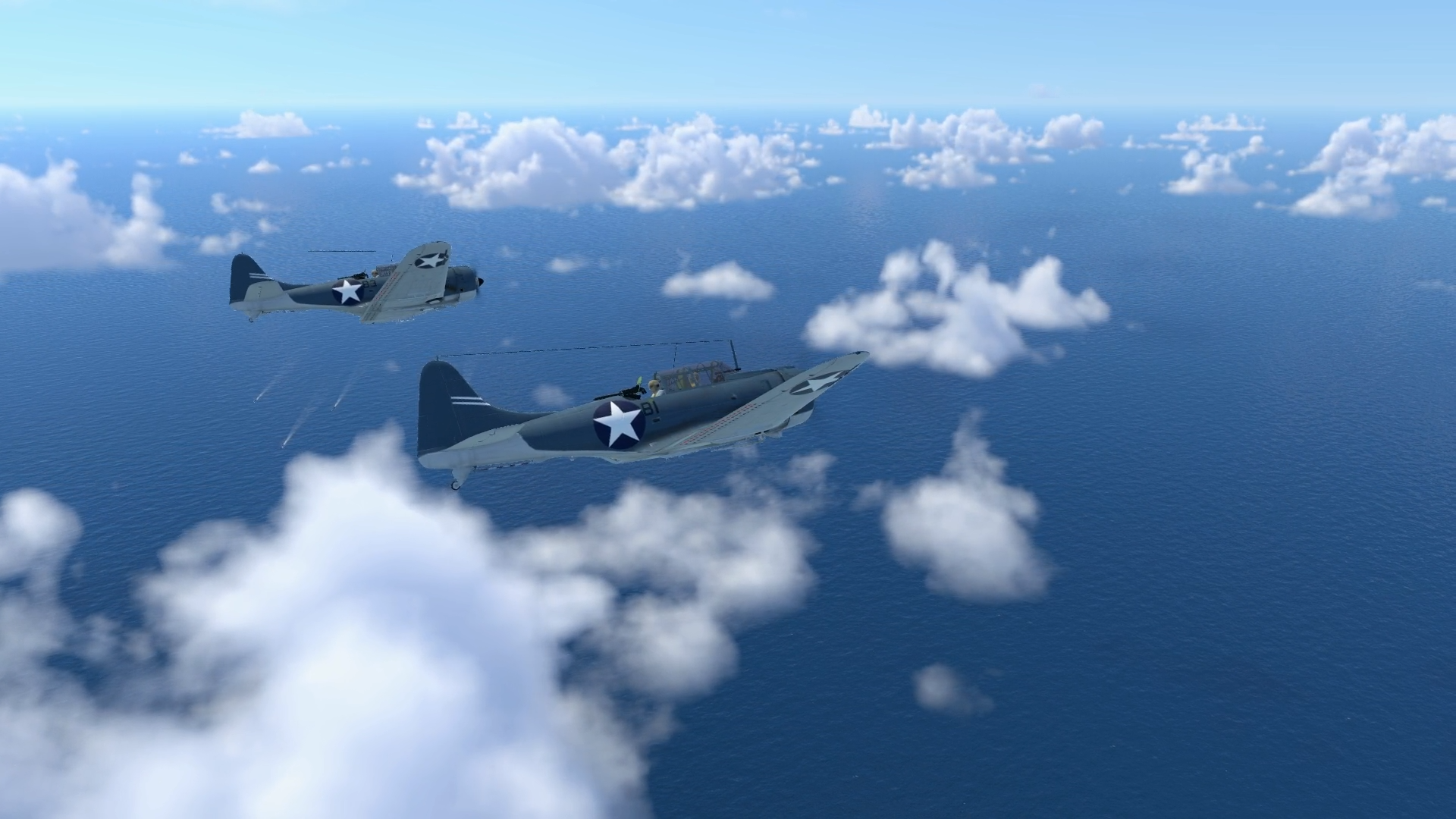
In terms of tactics and procedures, yes, certain innovations –Jimmy Thach’s famed beam manoeuvre, for example – did alter things, but in most areas shifts were slight. American carrier strike coordination, for instance, was still something of a mess in October. In that regard, change only really happened in the course of 1943, when lessons from a year prior were duly learned and digested, allowing the US Navy carrier arm to evolve into the fearsome, decisive force projection tool it ultimately became.
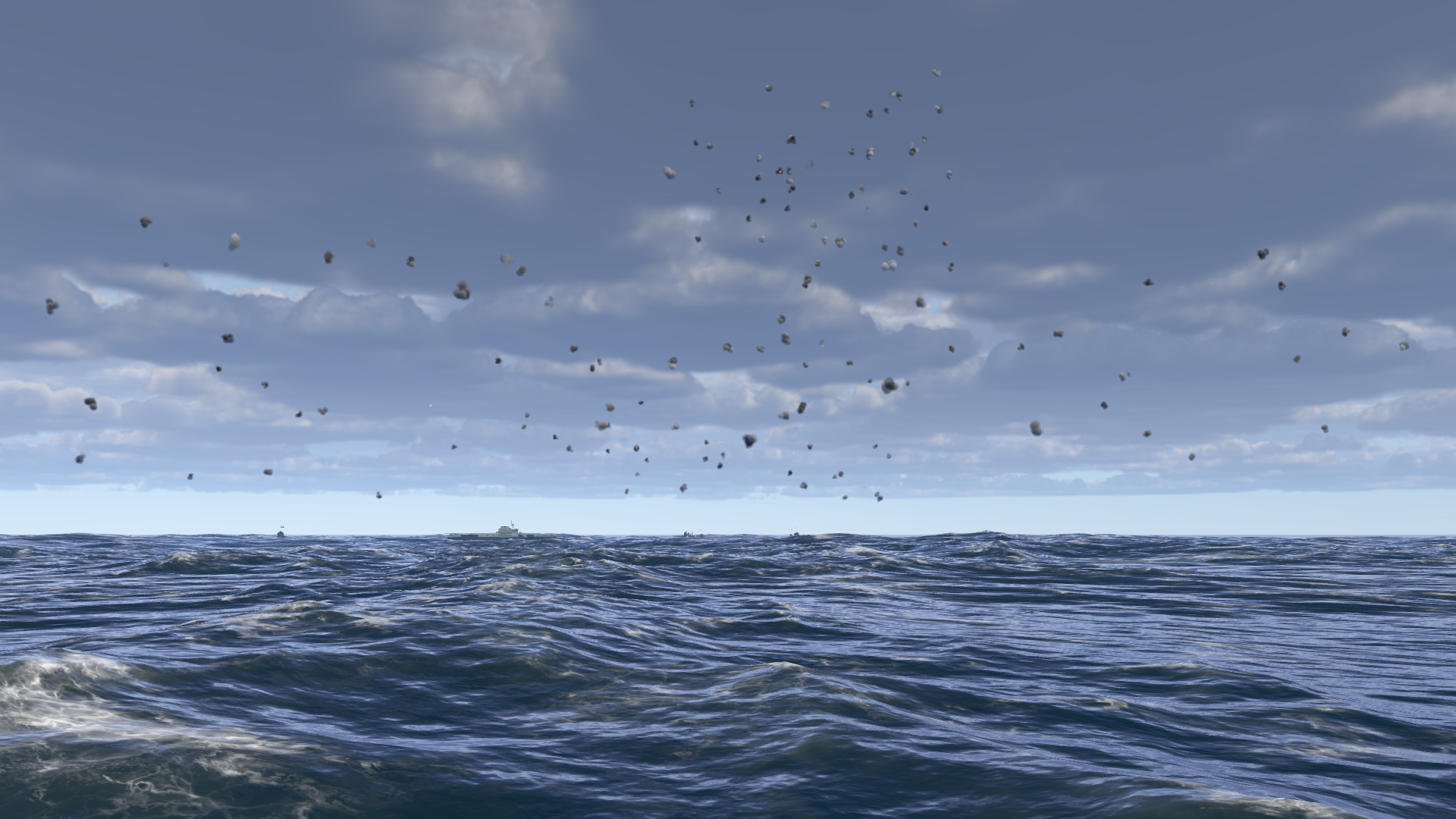
In order to further explore the impact of historical changes in tactics and technology, we will provide some what-if scenarios plus the tools necessary to make more. Exploring a Midway standoff in August with radar-fitted IJN carriers and defective US intel, trying to imagine what kind of refit Carrier Division 1 & 2 could have received had the ghosts of Midway survived into the Fall, or examining the impact of embarked reliable Judy bomber squadrons at the time of Santa Cruz… all these scenarios (one third of the expected total offering of 30+) will add extra spice and challenge.

RPS: The game’s lack of a campaign may prompt criticism. Are you ready for that?
Amiral Crapaud:This is merely one of our limitations, and may not necessarily prove to be the most criticised one. Playing the US Navy only, playing in 1942 only, no multiplayer… All of these things might fuel disappointment, especially after such a long period without carrier games.
Opting for a tight focus wasn’t an easy choice, but it’s a necessary evil. We are a very small team with a single guy doing all the programming, and a good but finite budget, so we had to give ourselves clear, realistic objectives. At the end of the day, I would rather have people not happy about our ambition but playing a good, complete and enjoyable game than the opposite. We are already on our way to simulating carrier combat at a scale and with an amount of detail never before seen, and surface combat to a standard at the very least equal to that ofFighting Steel. We’re aiming to deliver an innovative combat narration system that brings historical battles and the men who fought them to life, 30+ scenarios, a replay function and a full scenario editor… It might sound disappointingly pragmatic, but bear with us, and the wait should be worthwhile.

RPS: How sophisticated are your flooding and fire propagation models? Will they interact?

Watch on YouTube
Watch on YouTube
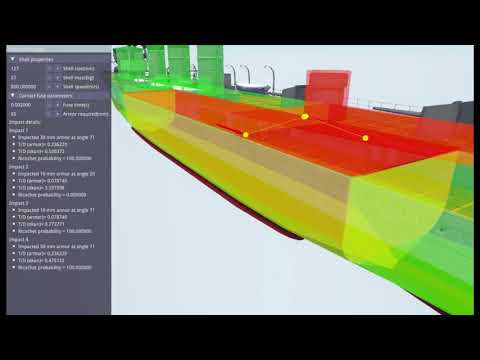
Naturally, the other main factor is how the ships are built. Although some abstraction is needed in this area (especially in regard to module damage) we hope to avoid hit points as much as possible. Ships losing their center of gravity will end up capsizing, but a ship burning to its very guts will still float as long as its hull integrity is not compromised (If this happens to one of your vessels, don’t expect the blackened hulk to magically disappear beneath the waves. You will have to issue a scuttle order). We want damage to feel real, and be conveyed to the commanding officer in a natural way too. Anyone who thinks officers of the time had any way of telling when hull integrity or structural damage had reached 50%, must be mistaking CV-6 for NCC-1701!

Flooding, as shown on our prototypes, is already completely dynamic. Physics permitting, brine explores any hole it happens upons, and rushes to occupy any void. Watertight bulkheads are simulated according to original blueprints.Free surface effectwill be present and correct and expose your inner compartments to added danger, sometimes prompting counterflooding. Fire damage will spread too. The worse flooding might do to a module is make it inoperative, but fire is never good news close to fuel or live ammo, and there is a lot of both aboard a carrier! More generally speaking, expect Midway-like events to have Midway-like consequences.

Finally, about water and fire interacting, we still have to decide if recreating the woes ofUSS Franklinis actually viable. Imagine your flagship listing due to an excess of firefighting water received from an escort. If we manage it, it would be another first!
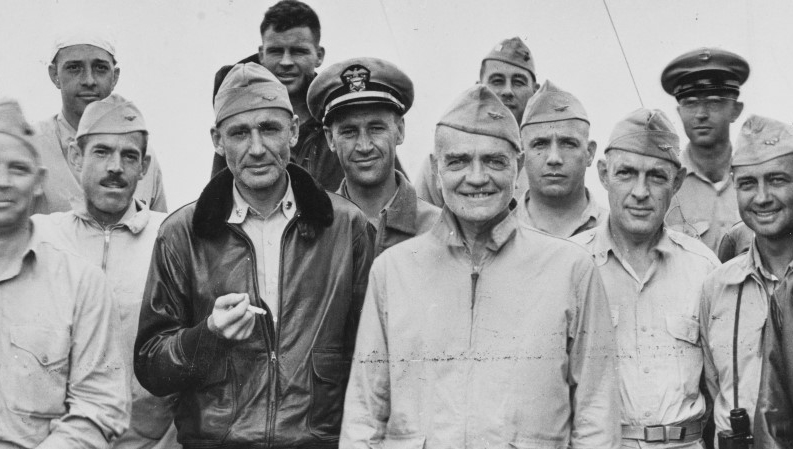
RPS: How significant are ‘soft’ human factors such as morale, fatigue, and leadership in TFA battles?
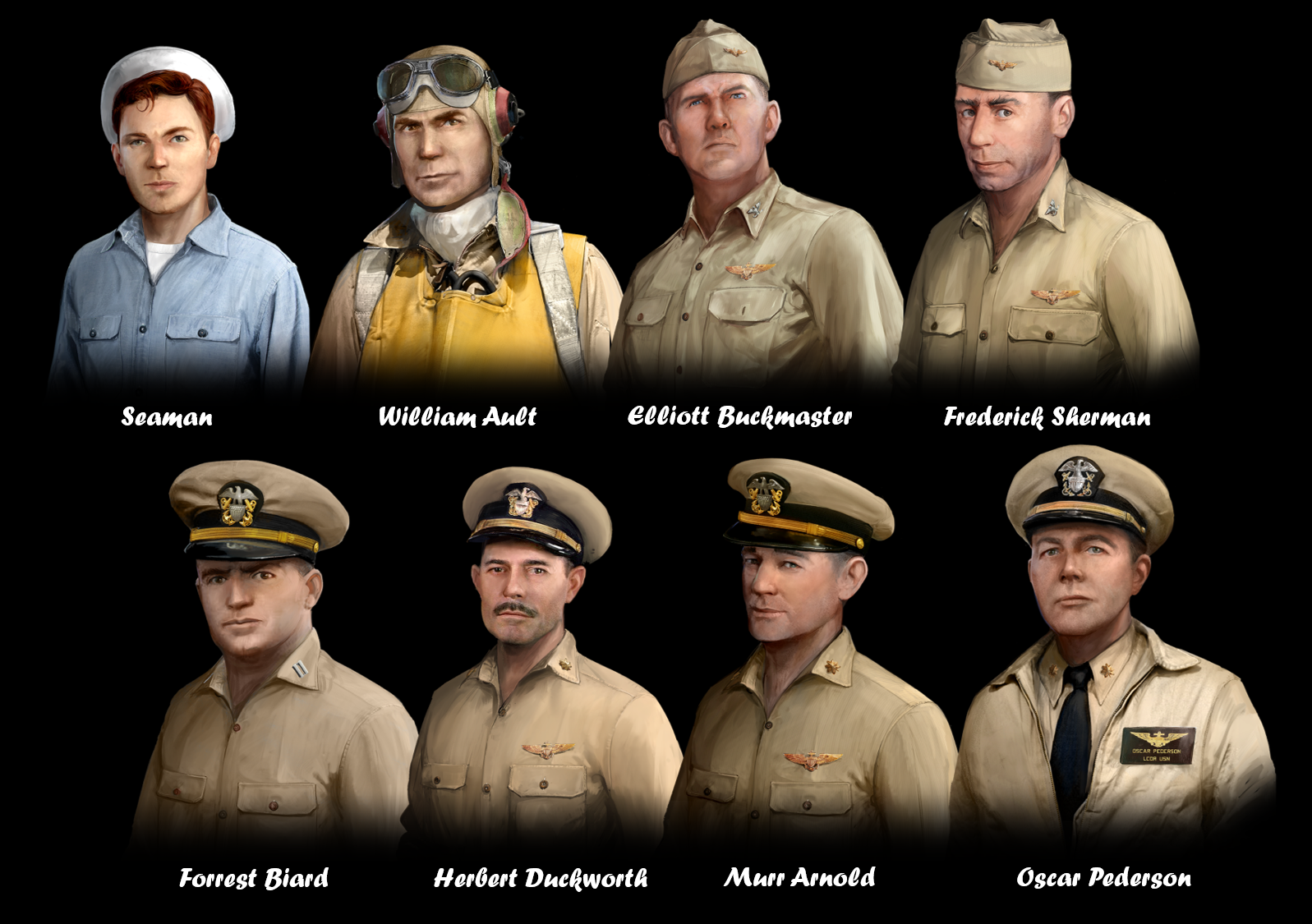
Amiral Crapaud:We have not made a decision yet on how to implement the readiness and the proficiency of our pixel pilots. We hope to find a satisfying, intuitive mechanic for fatigue that will make you feel in command of humans rather than spreadsheets. On a real carrier, pilots don’t get to tell the skipper that they’re tired or only a few points away from being “certified” fresh again! Carrier battles were often around-the-clock affairs lasting several days. They exhausted everybody with periods of constant readiness at battle stations, stressful waits, and bursts of adrenaline. Add to this the emotional impact of losing comrades in arms in droves and in the most sudden, shocking ways. If fatigue is properly implemented, ideally it will not only affect the aircrews. Ships' companies will also suffer from being on a war footing for too long.


I’m not convinced that other possible morale factors like living conditions and dreadful battle odds are all that relevant to TFA either. Yorktown’s crew had to survive on canned food at one point. The last steak on board was auctioned off, morale was low, there was no action. But does that mean they would have performed any worse had they come across an enemy force at that moment? I think not.
Damaged Enterprise was the sole operational fleet carrier in the Pacific after Santa Cruz. At a time of discouraging results and grim prospects for the USN she faced the Japanese threat almost alone. Did this affect the performance of her aircrews in any way? Absolutely not. It is seen perhaps as her finest hour, and rightly so.

RPS: Will fatigue, swell, and low light levels decrease the chance of successful carrier landings?
Amiral Crapaud:Yes. Sudden disorientation during a night launch for a dawn strike, a rogue wave raising the stern just when the plane was about to make contact, or a bouncy landing ending in the plane park (the kind that cost Don Lovelace, XO to Jimmy Thach, his life a few days before Midway) you can expect to see things like this in our simulation.
Besides the environmental hazards, there will also be mechanical gremlins to contend with. Enterprise lost four precious SBDs to engine defects before the sorties began at Midway (The problems may have resulted from the planes being readied too early). Radios malfunctioned regularly. Jammed guns were a common F4F ailment, so common in fact, some deck hands would carefully feed machinegun belts one bullet at a time in front of the pilots to put them at ease. Electronic gizmos were big and fragile in 1942, and prone to sudden failure. Tough luck to anyone who has to find his way back to his carrier in fading light with a defective homing beacon.
Mishaps like these can be randomly generated or scripted to occur at particular times in order to recreate specific historical situations. It’s up to the scenario author.

RPS: How mobile is TFA’s camera?

If you choose to go for the highest level of realism, there will be restrictions. You’ll be limited to a first person point of view in theflag plotand on the platforms of your flagship – a flag officer, after all, isn’t omniscient. Witnessing a sortie launch or an attack on your ship in this mode is pretty special, and, thanks to after-action replays, you can always catch distant dramas later.

RPS: How are you intending to handle difficulty?
Amiral Crapaud:We will try our best to upholdyour compact. I want to be able to keep the experience enjoyable to everybody, whether you are a grognard, an Il-2 player, a Eugen RTS fan or a World of Warships enthusiast. At heart TFA will be a hardcore wargame, but players will be able customise the experience in various ways.
Scouting mechanics are a good example. Have you never found it odd that in every game, including the supposedly hardcore ones, you always seem to be able to see what your scouting planes see? Know where they are? With no delay? Well, yes, Carriers at War, Task Force and Pacific Air War would give you an inexact composition of the enemy force – but is that all there is to naval search, some basic fog of war?
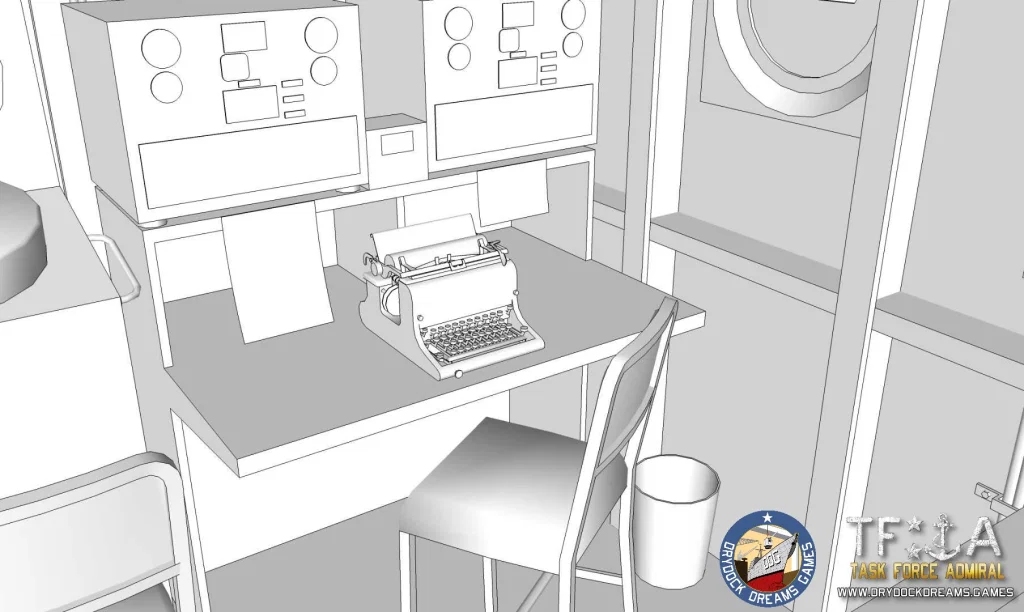
Let’s put ourselves in the shoes of your future virtual admiral-self for a minute. A search pattern has been defined, planes are leaving the flight deck, now what? Well. They disappear over the horizon, then from the radar scope, and there you go. Do you know what they see? No. Do you know where they are? No. Do you even know what happened to them? No! It’s 1942, you might be a few hours from a carrier battle: radio silence is paramount. You will not emit, in order to remain hidden to radio intercept – and your planes will not emit either for the same reason. There you remain, waiting (and accelerating time in-game if you really have nothing else to do – but you will, worry not!) and expecting a message that might very well never come.

How many ships? How fast are they? What is their heading? Was the sighting made at short range, or does the spotter have to get closer to be sure? And is that report even reliable? At Coral Sea, the strike which was lucky enough to claim Shoho was launched on faulty information due to a code error that had placed carriers in a spot where there were, in fact, none. But nobody knew that until the scout came back onboard and candidly answered “What carriers?” when asked about his report.

Back to the action. Now your SBD has turned silent. Is he shadowing the enemy force, as instructed in the pre-flight instructions? Has he been shot down? Well, how would you ever know – it is not like the enemy Combat Air Patrol is going to send you a telex and flowers whenever they down one of your daring snoopers. Should you feed the information to the strike that is warming up on the flight deck and launch? Will you risk a silly wild goose chase, like the ones the Shokaku and Zuikaku fliers participated in at Coral Sea and Eastern Solomons? At their maximum range, an error of a few miles in the wrong direction might be the difference between success and a one-way trip for a TBD strike or a F4F escort, both types being known for their short legs. If you are in doubt, you are welcome to raise him on the radio – but is potentially betraying your position worth the risk? You might want to close the distance to improve the odds for your pilots, but what if the wind doesn’t blow in the right direction, forcing you to increase the distance instead to launch your strike planes into the wind, like at Midway? Oh, wait, what is this fleeting radar contact we just had now – does it mean an enemy Jake is about to eyeball us, or is it one of our scouts coming back early unannounced because of engine troubles? Decision time, I am afraid.
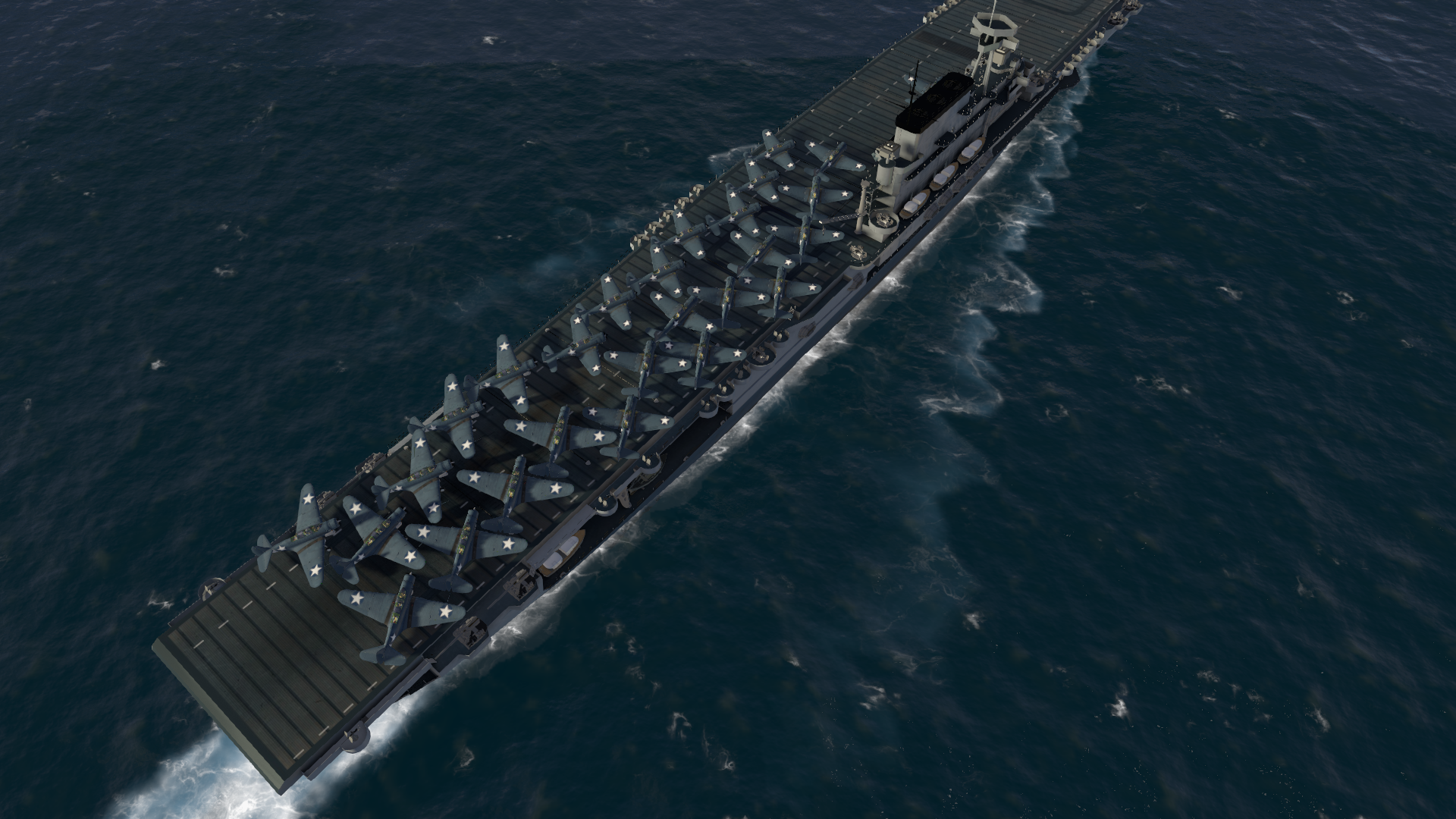
I guess you get the picture. You want to play TFA like a casual RTS? Fine. You want to make it feel as close to Carriers at War as possible? Please do! You want to challenge yourself with the uncanny stress of boxing in the dark? Our pleasure!

RPS: Is there a single Japanese AI or will all IJN admirals behave differently?
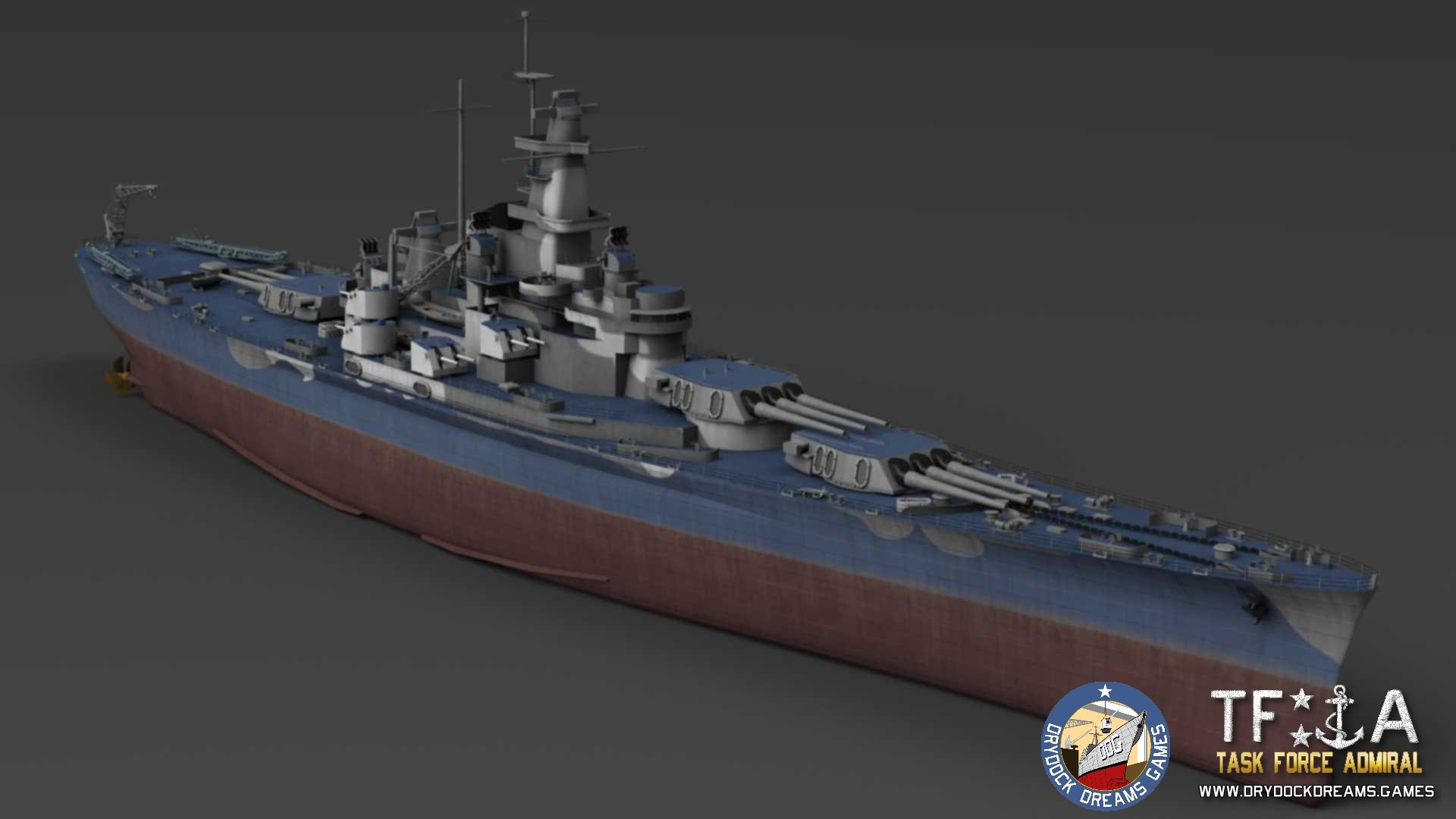
RPS: Changing tack, can Drydock Dreams Games trace its origins back to a particular conversation or meeting?
Amiral Crapaud:Well, there was that day in Lyon. I had come to France on a business trip (I actually work in Asia) and the man who was going to become our developer, Jean-Baptiste, agreed to meet me out there. We had a walk, a talk, a good meal. Seeds were planted. I had actually found Jean-Baptiste within theCheck-six.frcommunity, which used to be sort of my internet home 20 years ago. I reached him through his forum profile. Check-six is also the place where we found our 2D artist, Julien, a fine lad who happens to be an aviation art superstar in his own right and – luckily for us – was enthusiastic about the project.
The three of met in person for the first time over an afternoon pastis in Marseille just a few months ago. DDG is the kind of studio where everybody works from home, with JB and Julien in France, Rizki (our young yet super-talented 3D artist) in Indonesia, and Yours Truly in Eastern Asia most of the time. Naturally, it is hard to imagine that this sort of long-distance collaboration happening ten years ago, but this is the age we are living in and we are making the most of what it offers.

RPS: Are Flare Path readers likely to have encountered the work of DDG staff members previously?
Amiral Crapaud:Quite possibly. Jean-Baptiste’s first game featured in this very column a few years ago. RememberBOMB? It was a fine, cute air combat game in the vein ofCrimson Skies. Before and after that, Jean-Baptiste worked as Lead Dev and Producer on a number of other commercial projects, although these weren’t typical Flare Path fare.

There’s a good chance French-speaking aviation-partial FP readers will have seen Julien’s work in the past. His art regularly adorns the cover of French aviation monthly “Le Fana de l’Aviation”, quite an acknowledgement of his skill and his good taste in flying machines.
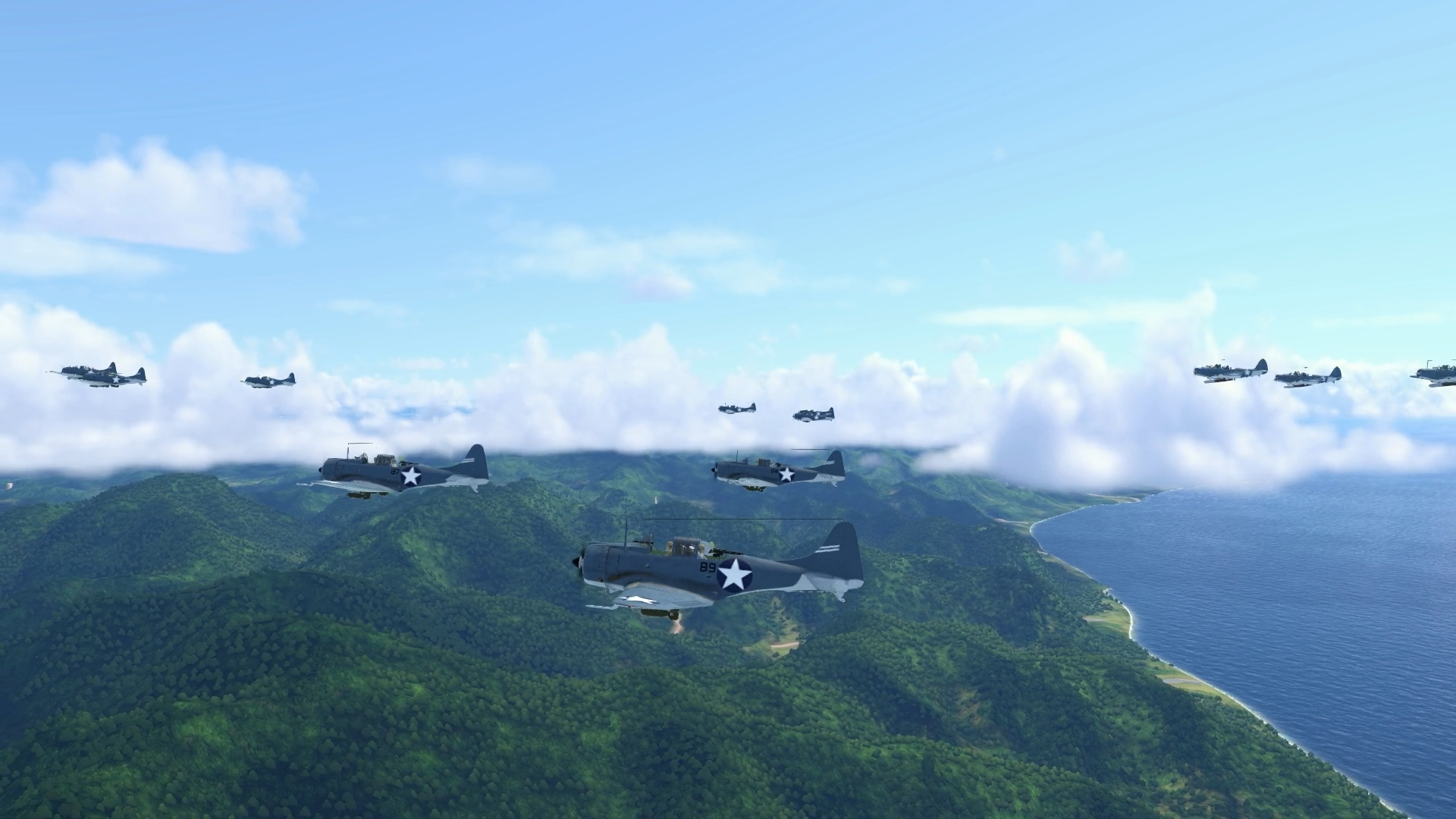
RPS: Did you experiment with off-the-shelf engines before going down the bespoke route?
Amiral Crapaud:BOMB for all its beauty - and shortcomings - was the reason why I approached Jean-Baptiste with this project in the first place. I knew he had made his own engine and it was the best tech demo I could hope for. It was obvious from the get-go that it offered all the technical features I needed to make my own dream come true.
Watch on YouTube
Watch on YouTube

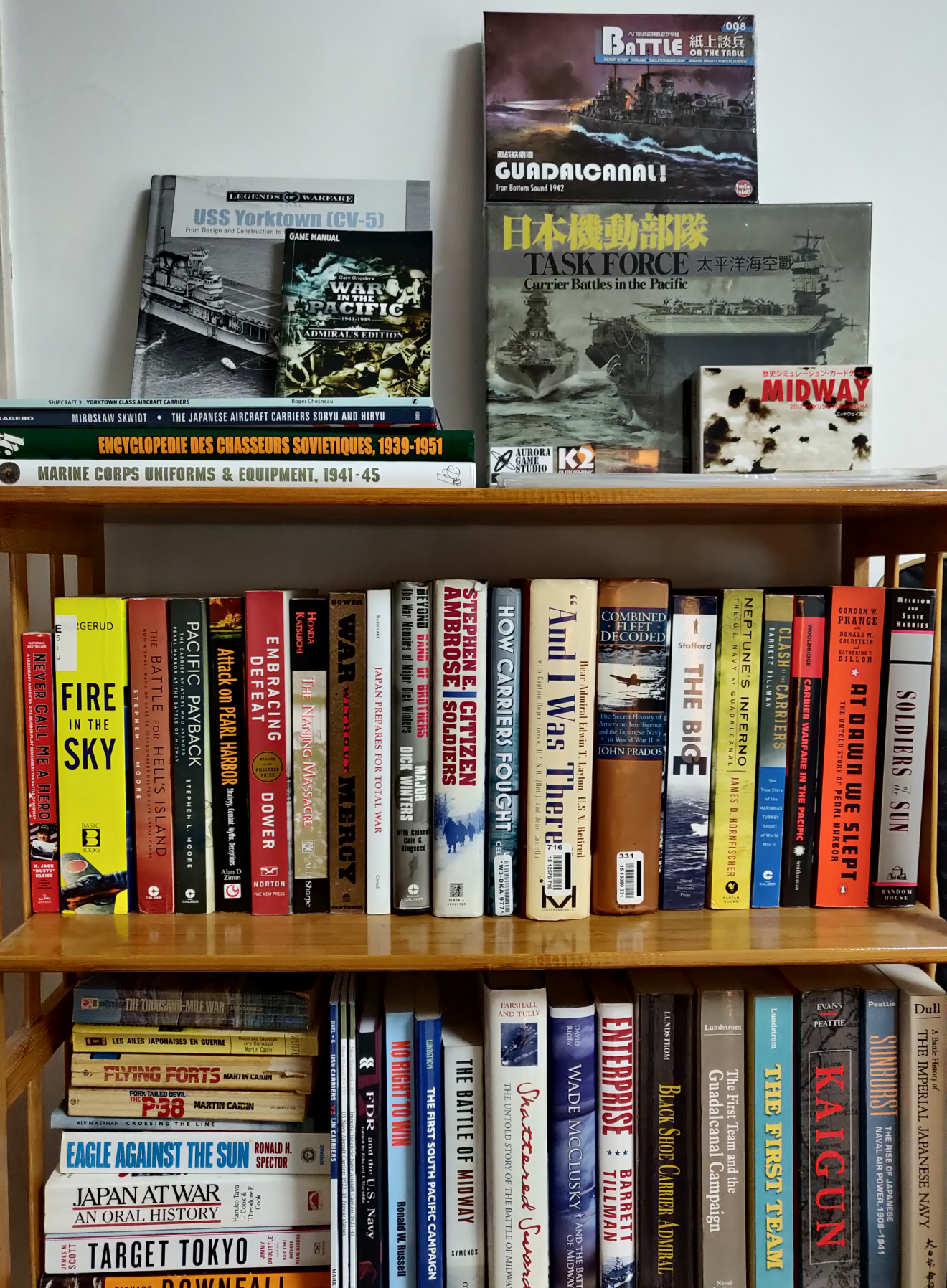
RPS: What’s proved your most useful research resource?
Amiral Crapaud:Good old books have been our main resource from day 1, and as a true historical project, this game is largely built around them. Task Force Admiral wasn’t born yesterday from a sudden whim, so there was no need for me to build a reference library from scratch.
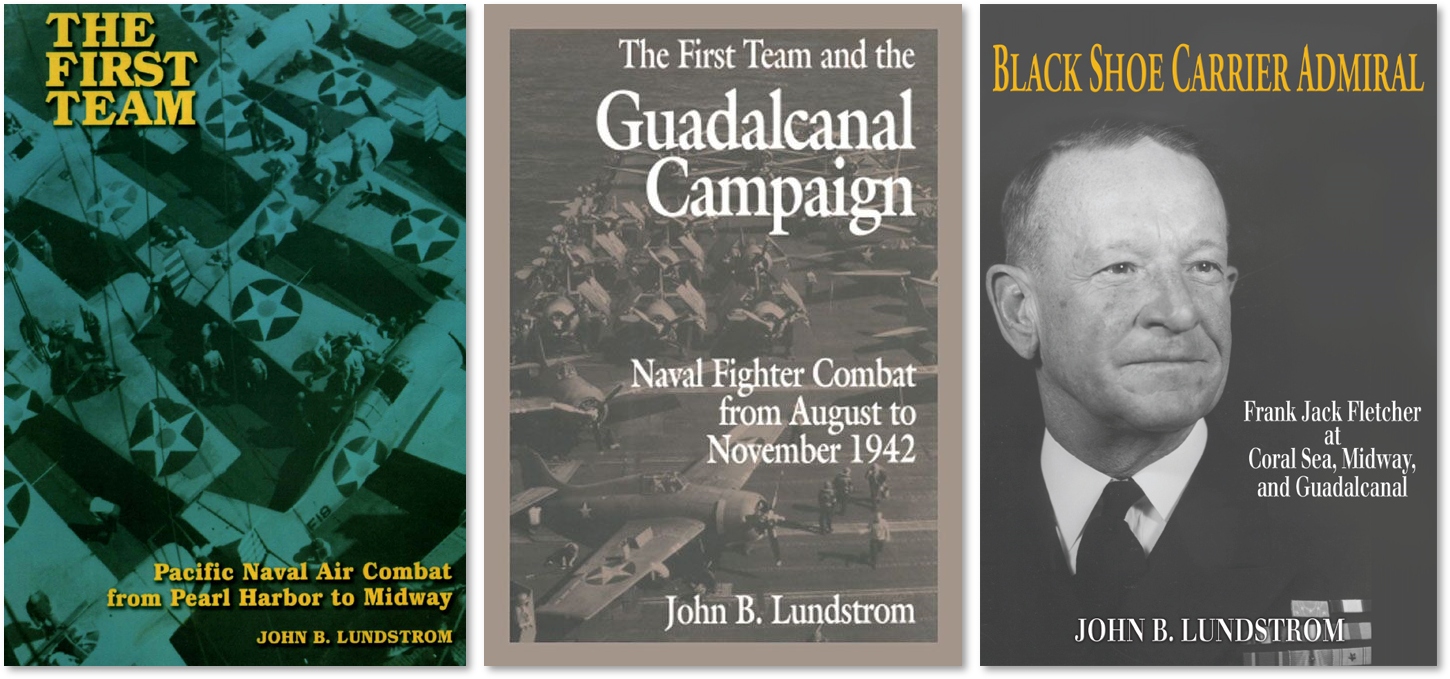
John Lundstrom’s writings have been particularly important to the project. You could even go so far as saying they gave the game its identity. Before Black Shoe Carrier Admiral, in my mind Task Force Admiral was merely a real-time remake of Carriers at War. Now, one could say that it is closer to a game adaptation of that book.
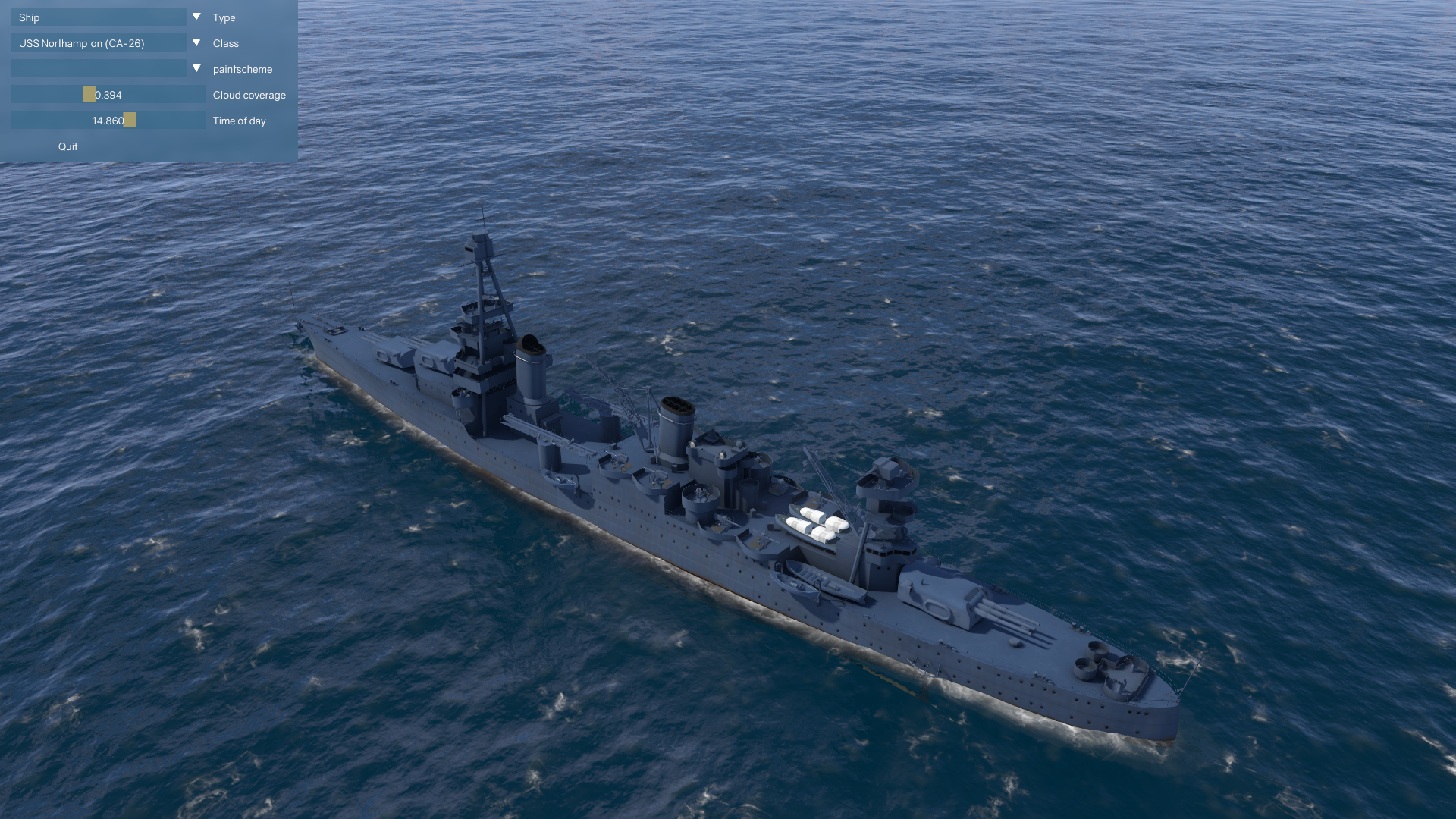
Besides the literature, the Internet has also been very helpful. We are grateful for the help of all those who have come to us with ship information, flight manuals, and 3D models on Facebook, Twitter and YouTube – and the great thing is that they keep coming!Military Aviation History,Justin Pyke, theArmoured Carriers blog,Military History Visualizedand many others have all been very supportive and willing to share data and contacts. The friendship of other devs such as the great guys atTriassicandJo Baderhas been most valuable too. Thanks to this project I’ve met people I’d never have met otherwise, people like wargaming icon Philippe Thibaut who, coincidentally, also happens to be immersed in the PTO at present.
RPS: And what’s the most surprising thing you’ve learned while researching the game?
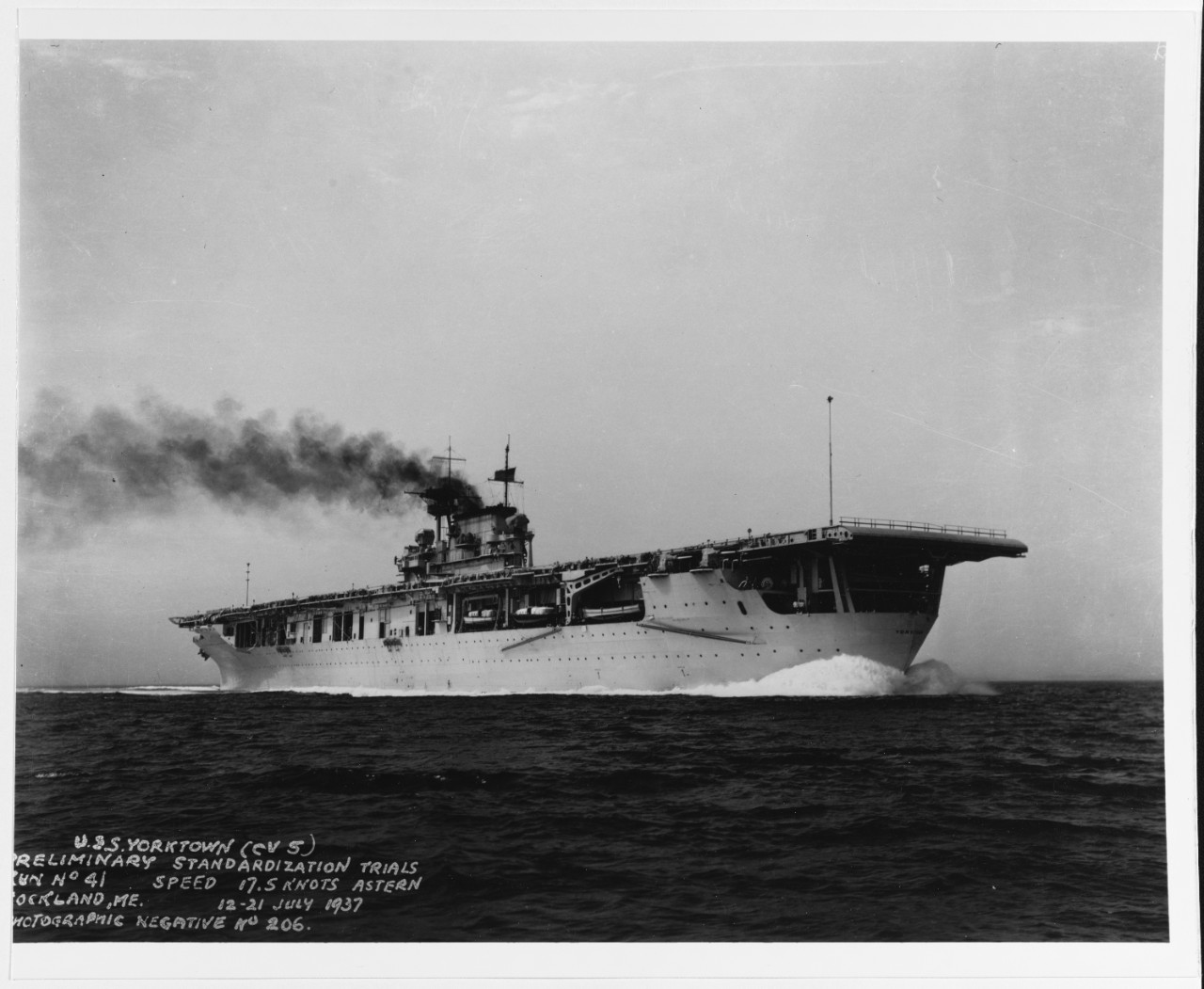
Amiral Crapaud:The books we read are filled with startling trivia, so it is hard to pick one above the others. Here’s a neat one though. Did you know that a Yorktown-class carrier could steam astern at over twenty knots? This is the reason for the large number of arrestor cables one can see all over the length of the flight deck on interwar carriers. In case of battle damage on the stern, the idea was that planes could also be recovered over the bow! Now, will you be allowed to do that in Task Force Admiral? We are not there yet, but I sure hope so!
RPS: Are there any areas where, despite all the assistance, you’re still having to best-guess because of a lack of available info? It’s just possible an FP reader may be able to help.
Amiral Crapaud:There are still many grey, not to say grey-black areas, where we could use some help. Japanese planes’ actual performance, for one, is not an easy topic – as Il-2 fans know all too well. Any info besides that which is readily available on the internet, will always be greatly appreciated in order to fine-tune our flight models.
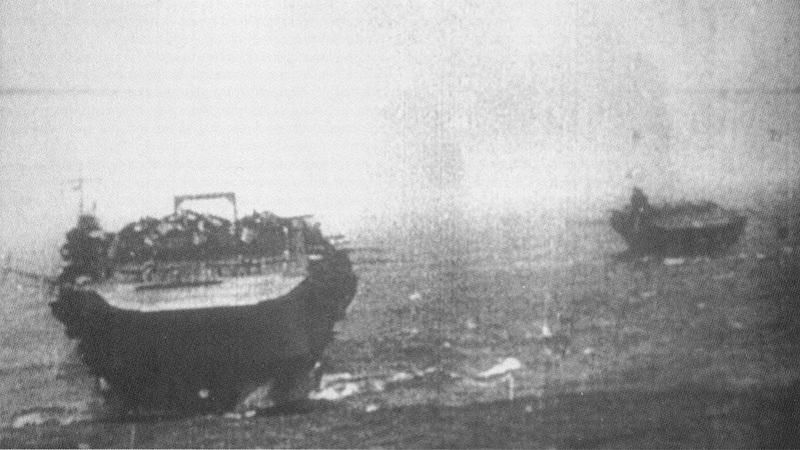
Ah, and also, if someone could FINALLY tell us in clear and definite terms how a Japanese elevator actually works with a double hangar deck arrangement, and explain what the elevator cover on the above picture of Kaga was all about, we would really appreciate it!
RPS: Thank you for your time
