HomeFeaturesCauldrons of War - Barbarossa
The Flare Path: Stirs CauldronsBarbarossa boiled down
Barbarossa boiled down
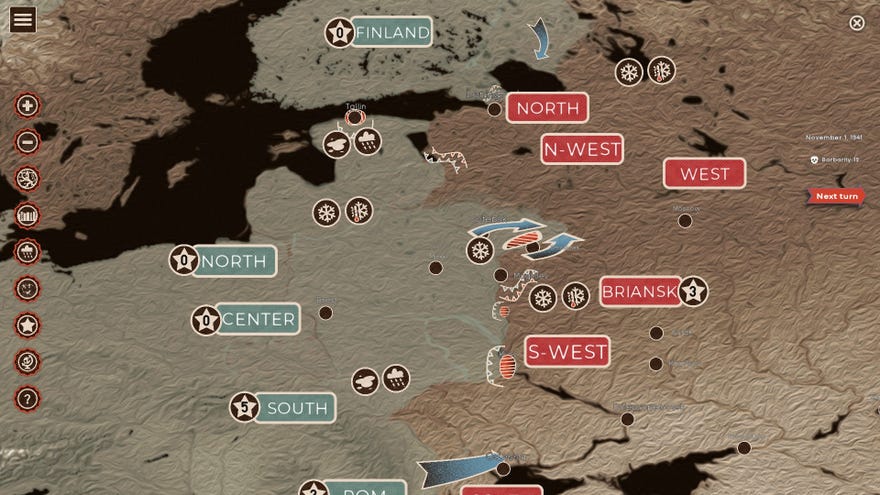
Are we capable of coding an AI that will play this game competently and plausibly?I wish more wargame developers asked themselves this question early in the design process, and treated answers of “possibly” and “not sure” as reasons to head back to the drawing board. If they did we’d have less warfare fare but more games that convince and challenge the wayCauldrons of War: Barbarossaconvinces and challenges.

There’s not a hex, square, or map province to be seen in Maestro Cinetik’s absorbing £5 recreation of Hitler’s biggest miscalculation and the unorthodox approach to geography allows the title’sOperation Barbarossato bite and humble like an Arkhangelsk winter.

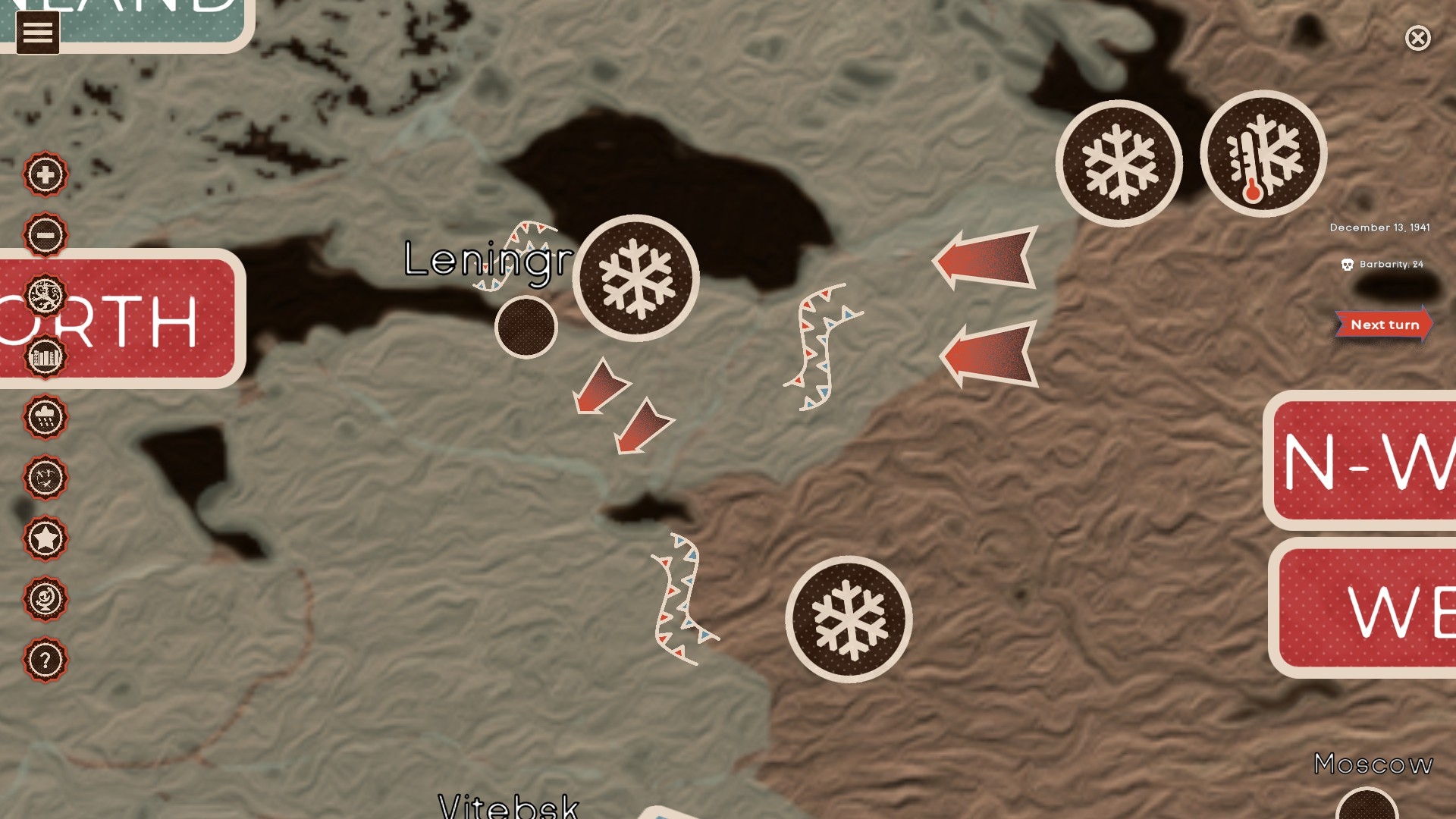
The system ensures believable Barbarossas and manageable ones. In other Eastern Front wargames with fronts that stretch from the Arctic Circle to the Black Sea a single turn might involve 100+ separate decisions. In this one you generally end week-spanning turns after issuing around 25 commands.

For every action you actually instigate during a turn there’ll be two you want to instigate but can’t because of Command Point limitations. All operations are linked to a specific HQ (Army Groups North, Centre, and South, plus Finland and Norway in the case of the Germans) and each HQ has a limited pool of command points. One turn you might use Army Group South’s fund of 5 CPs to mount an assault with 6th Army and refuel First Panzergruppe at Kharkov, and resupply the Hungarians, entrench the Italian Expeditionary Corps, and split 17th Army on the road to Rostov. The next you might use it to regain air superiority and eliminate a pocket at Kharkov, and hunt partisans and refit the Slovaks down south.

The fact the game’s swingeing abstractions don’t distract or detract is largely down to the sizeable order palette and the constant stream of thought-provoking, background-info-furnishing inter-turn strategic choices. The latter help Maestro Cinetik tell the story of Barbarossa in the kind of rounded, compelling way more traditional wargames rarely manage.

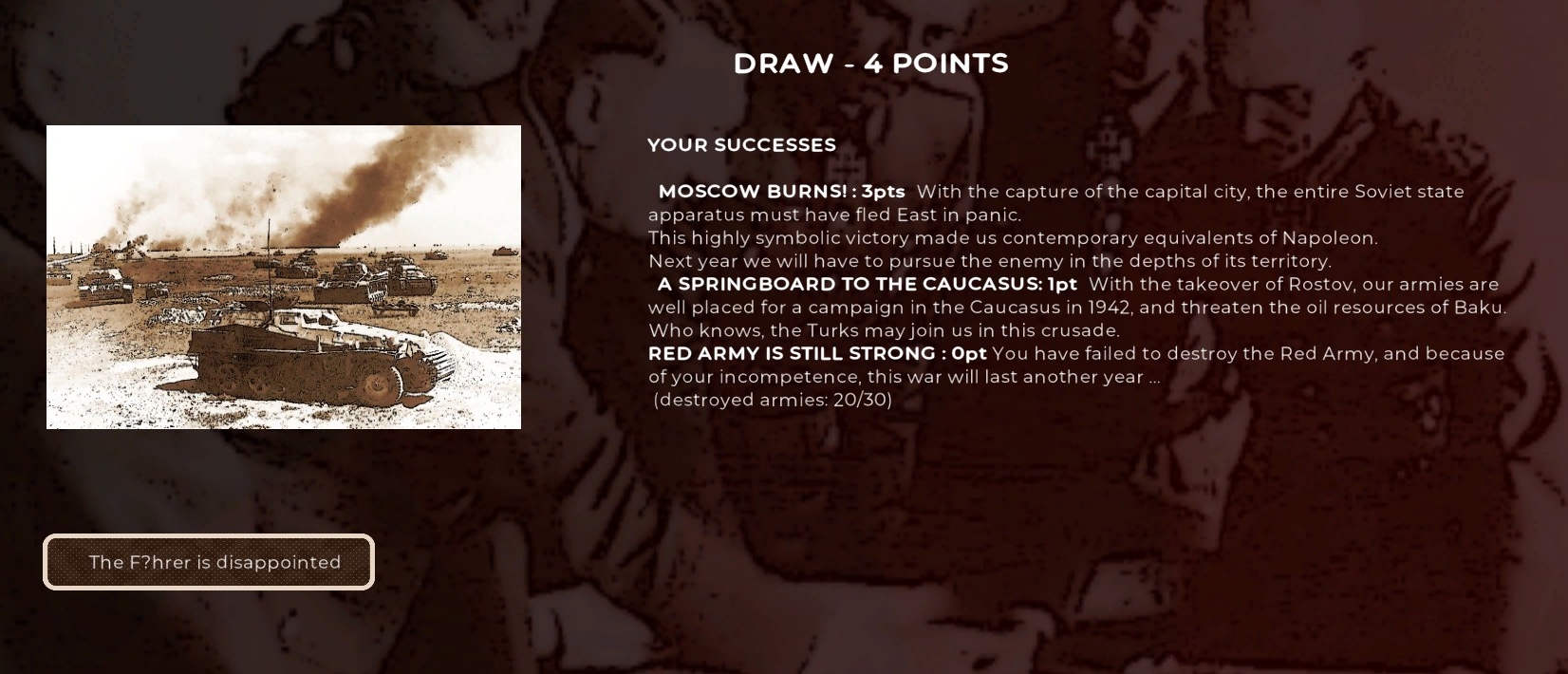
*Apparently. The best I’ve managed in 10 hours of play is a draw.
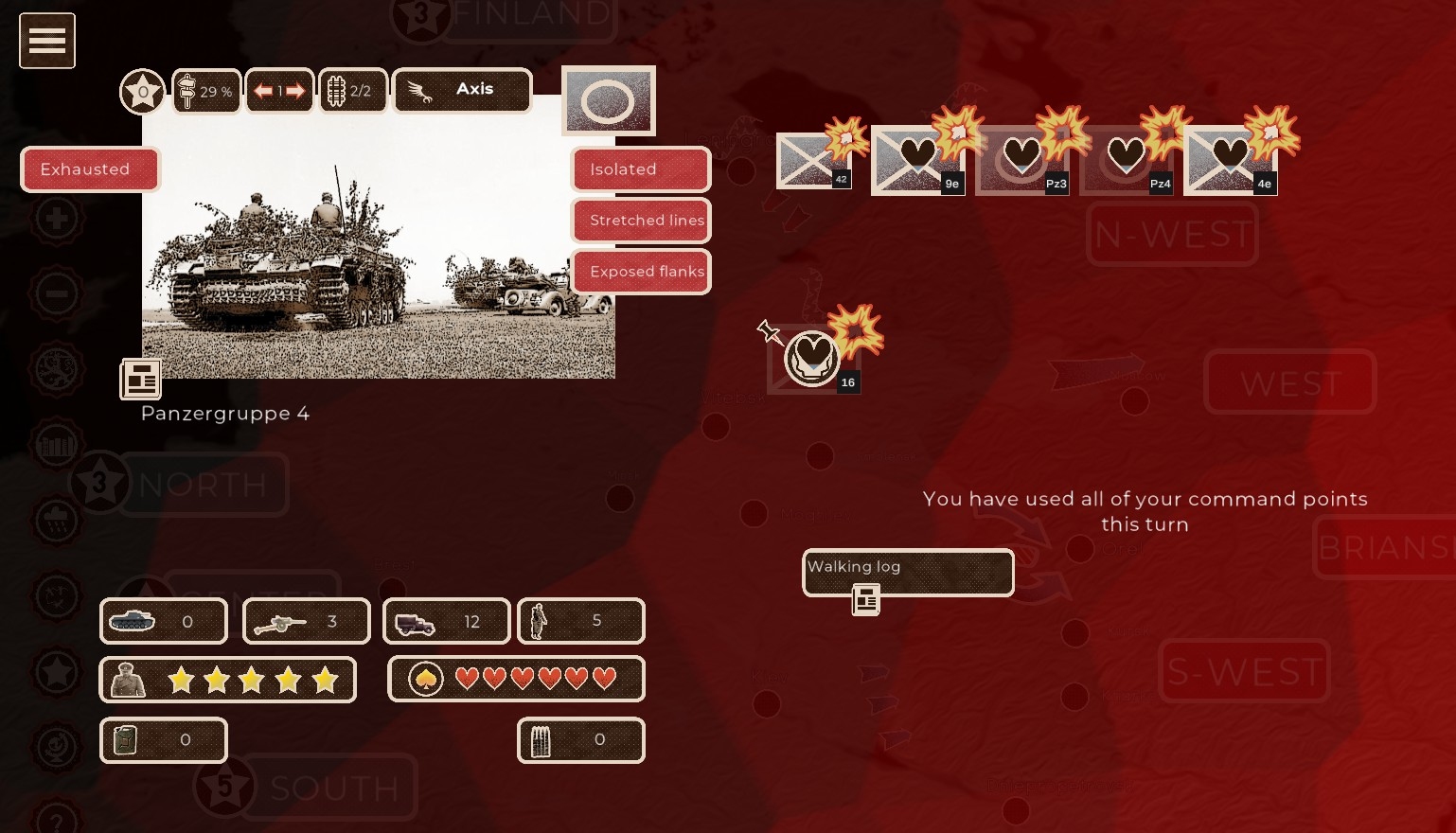
Just as pleasing as truck attrition is the way Maestro Cinetik capture, with the lightest of touches, the two-speed nature of the Wehrmacht war machine. Panzer groups and mechanised and motorised infantry are superb at the nippy breakthroughs that create thekesselsfrom which the game takes its name, but unless you eliminate those trapped enemy troop concentrations promptly the fleet-footed German greyhounds can very easily find themselves separated from the plodding mastiffs behind.

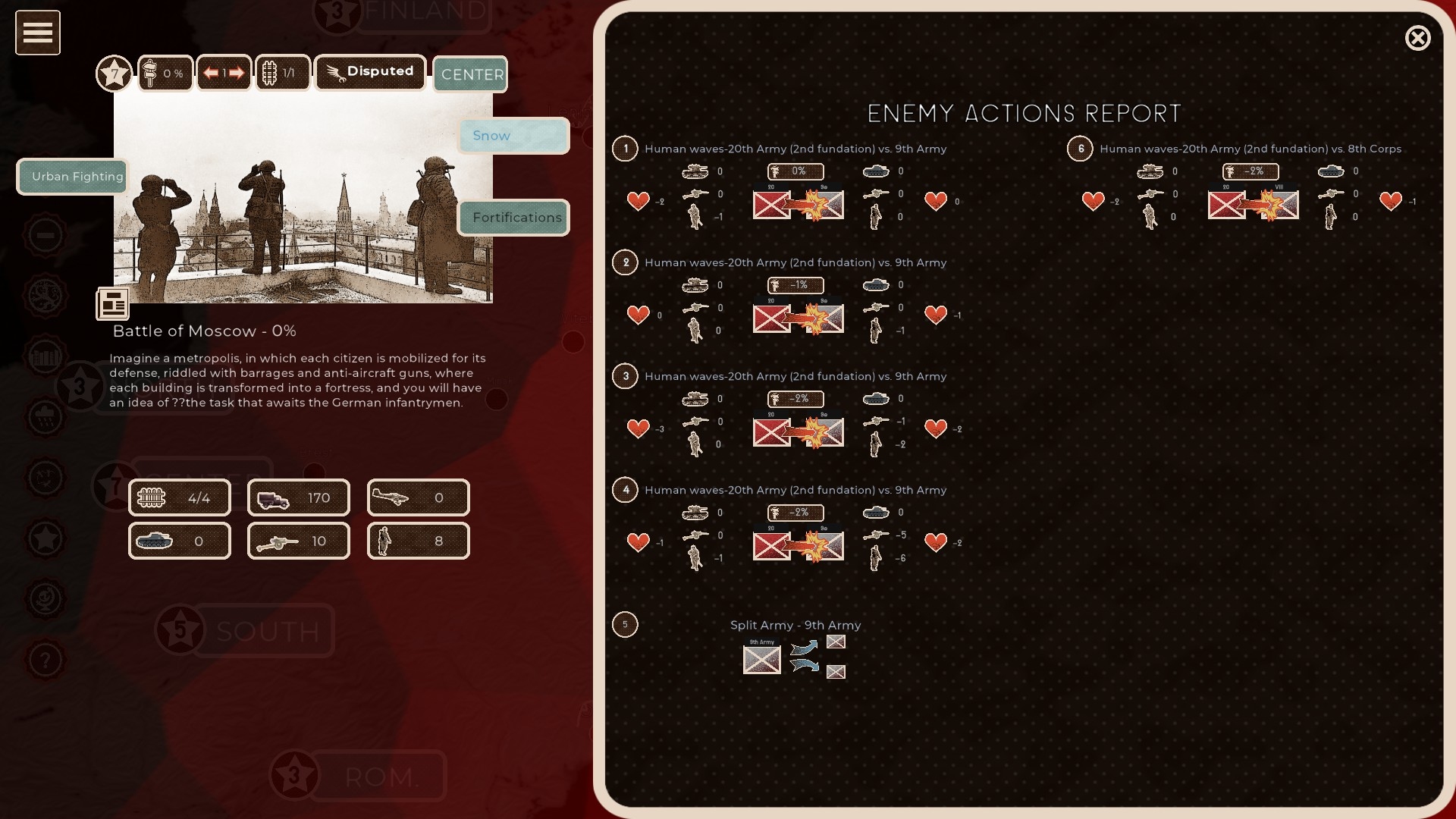
Whilean integrated wikisheds some light on the various orders types and suggests when certain orders should be used, Cauldrons keeps most of its maths well hidden. Would now be a good time for a Second Panzegruppe “blitzkrieg” or should I try another “assault”? Instinct and, if you’ve been playing for a while, experience are your best/only odds predictors. Once you’ve hurled tired or depleted units at an entrenched defender without first softening up that defender with arty and aircraft, you probably won’t do it again. Once you’ve seen the Soviet AI use costly Human Wave tactics to bludgeon an opening in your line, you’ll probably have fewer scruples about using them yourself when playing as the Communists.
- There’s no manual at present.

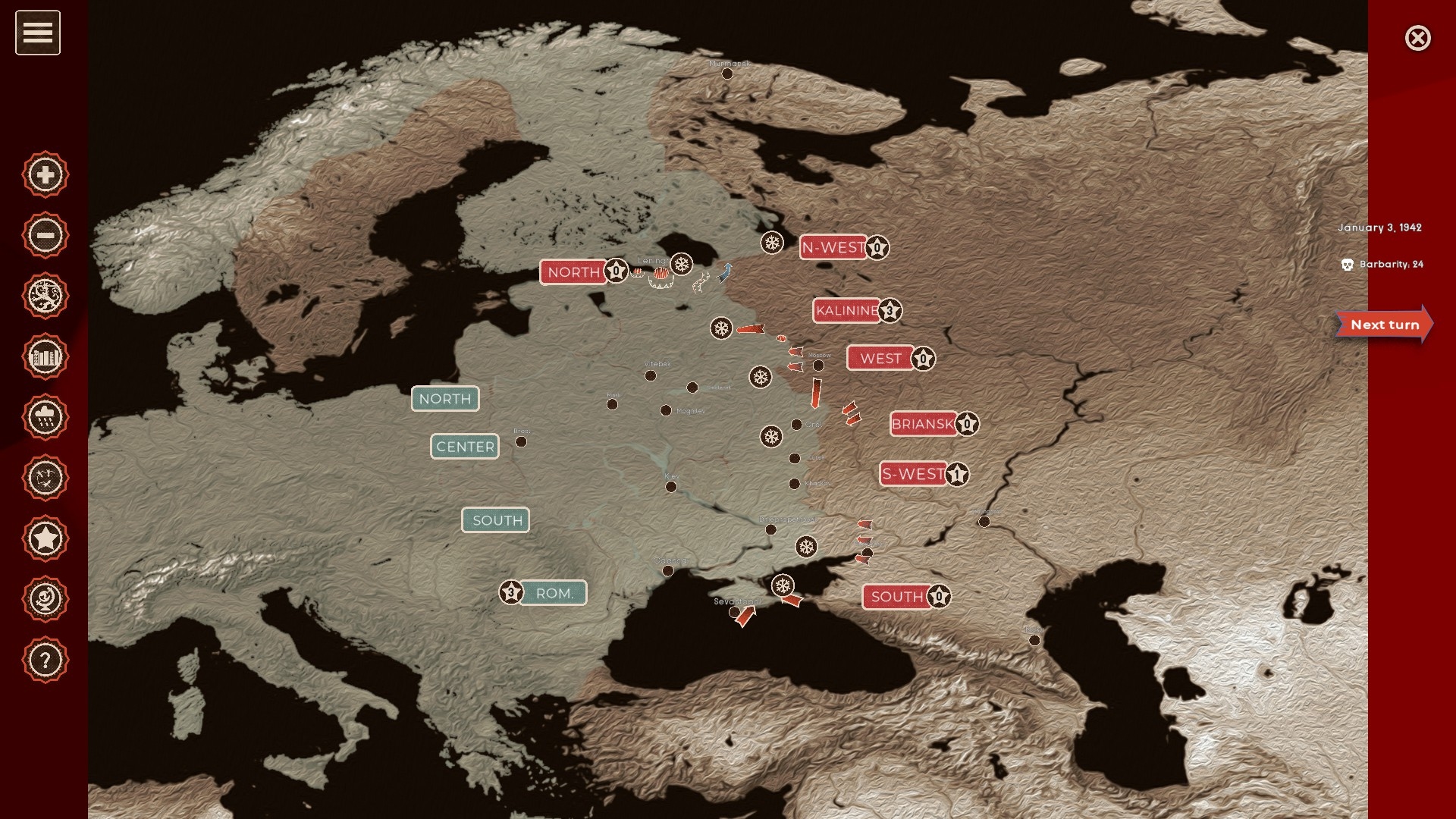
I’ve no issue with the game’s quirky refusal to tell me exactly how tired my units are, but the Fog of War that hides enemy unit size and composition (foes can be individually reconnoitred for a 1CP fee) is a little too opaque for my taste. Harder to ignore are my misgivings about the way Cauldrons displays data on the main map and operational screens. Not only is it impossible to see which ops are linked to which HQs without clicking on them, you can’t see which units are committed or how ops are progressing without switching screens. Before the devs embark on the sequel (I understand Barbarossa is to be the first of a series of Eastern front offerings) it would be lovely to see them take a sledgehammer to their GUI.

A cheaper, friendlier alternative to the excellentDecisive Campaigns: Barbarossa, Cauldrons of War: Barbarossa’s natural comrades areNew Wave wargameslikeRebel Inc: Escalation,Radio General, andRadio Commander(£6 on Steam until August 20!). If you like your military entertainment novel, history-steeped, pacy and as tough as KV-2 armour, you should have no trouble whatsoever extracting five pound’s worth of pleasure from this beautifully distilled Barbarossa evocation.
