HomeReviewsTeardown
Teardown review: a glorious crime caper about smashing open buildings like chocolate eggsHomes under the hammer
Homes under the hammer
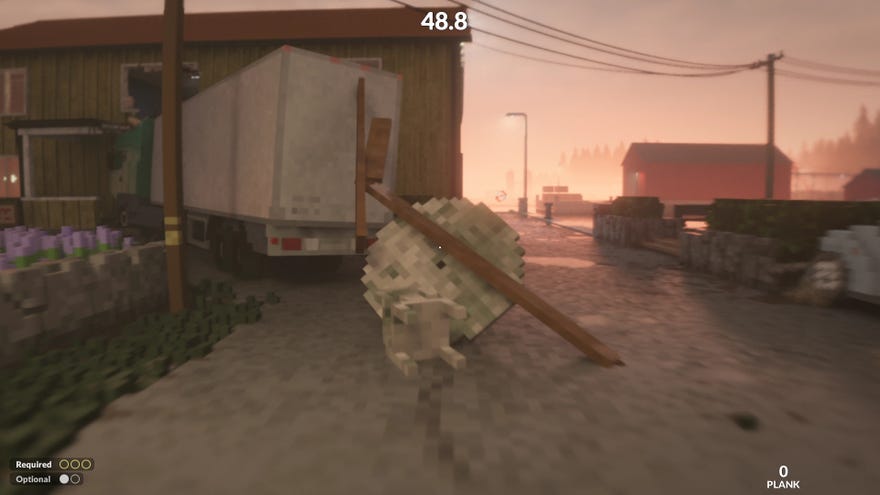
Teardownis built upon a piece of technical wizardry that allows almost anything in the world to be destroyed. The destruction is completely granular. Take a sledgehammer to a wall, and you will crack open the plaster and brick at the exact position you struck. Drive a large boat into a wooden cabin built atop a pier, and the cabin - and boat - will crunch, splinter and collapse into the ocean.
Watch on YouTube
Watch on YouTube
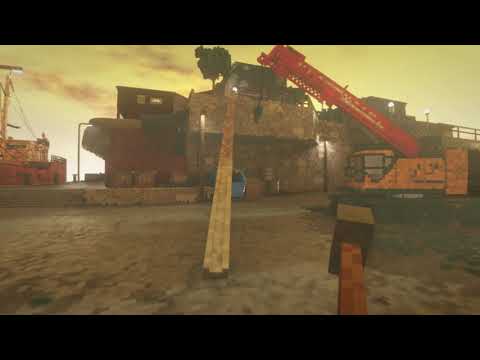
What’s most impressive however is that all this destructive tech is intrinsic to the game. It’s more than a toy. It’s not even paired with a mediocre third-person action game a laRed Faction: Guerrilla. (There is no combat of any kind in Teardown.) All your smashing and burrowing are in service of plotting the fastest possible route between the specific objects that mission asks you to steal or destroy, because once you deal with the first of those objects, an alarm will start and you’ll have 60 seconds to finish the others and escape.

This gives the game a rhythm similar to aPoly Bridgeor anOpus Magnum. You’ll come up with a plan, set it up, then test it. Can I drive this car into the ocean, then run back to a garage fast enough to grab and dunk a second car? No, try again. It’s a brilliant bit of pacing, to go from languid destruction to a sudden, speedrunning panic, and pulling off the perfect heist after 30 or 60 minutes of planning is an enormous reward.
Also much like in Opus Magnum, I’ve been recording my efforts and victories and sharing them with friends who are doing the same, just for the fun of comparing the radically different ways we solved the same problems. Our solutions are impressive and entertaining to watch, at least to us,even as they pale in comparison to what others are doing. My hope is that the game will develop a long-lasting and fabulous speedrunning community.
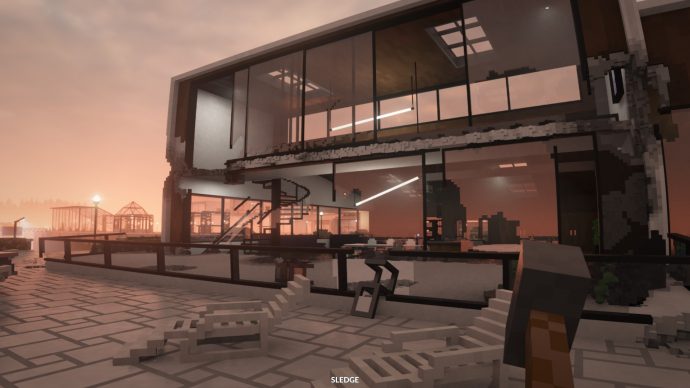
The flexibility that allows these different approaches is all-important. Firstly, the game makes a wise decision in setting multiple missions in each location, all but forcing you to find new ways of traversing familiar spaces. Each mission is also relatively easy to finish successfully, with a set of primary objectives that are straightforward and then a set of optional objectives which initially seem impossible.
The mission I’m trying to improve my time on right now requires that I steal four paintings from a sprawling mansion before escaping via speedboat, for example, and I achieved this easily within the 60 second time limit with a few seconds to spare. That the house contains a further four optional paintings to steal is, right now, a source of horror. How the hell do I steal four more paintings in just a few seconds!? The answer is that I don’t: I start over, look harder at the layout like a thief studying blueprints, and work out where I’m wasting time.
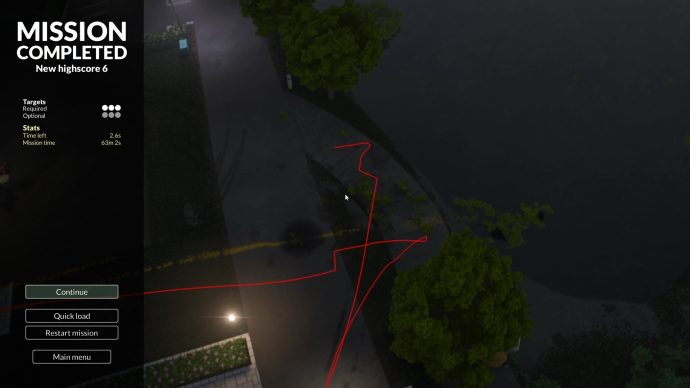
Failing that, I’d accept some tweaks to the game’s physics. They are already impressive, to be clear, with objects able to tumble and crumble around a world that’s always changing. But they’re also a little random, and sometimes I’ve found myself either surfing the glitchy edges of object interactions in my pursuit of the fastest times, or frustrated when a route that worked last time failed after a quick load caused objects to settle in just slightly different positions. There’s also unexpected behaviour around the compressive strength of objects: or put another way, it’s odd that a single remaining shard of glass can support an entire floor of brick and concrete above it, even with all other supporting brick and steel removed.
This is a small complaint in the context of the game. The only reason I’m not giving Teardown a Bestest Best is because it’s still in Early Access, and I want to wait to see more of what it becomes. At this stage, it is a towering achievement in tearing down towers, and well worth your time.
