HomeNews
Sony and Tencent buy almost a third of FromSoftware’s stock in joint dealThe investment will help the Elden Ring devs self-publish their games outside Japan
The investment will help the Elden Ring devs self-publish their games outside Japan
Sony Interactive Entertainment and Chinese conglomerate Tencent have bought a combined 30% of stock inElden RingandSouls seriesdevelopers FromSoftware, parent company Kadokawa Corporation haveannouncedtoday. The transaction leaves Sony with a 14% stake in FromSoft, and Tencent acquiring 16% of the company’s shares. Kadokawa remain the largest shareholders, holding almost a 70% stake in FromSoft.Elden Ring’s Open World Is Impossibly Rich | My Fav Thing In… (Elden Ring Review)Ed lets us in on what his favourite part of Elden Ring is.Watch on YouTubeElden Ringhas been a huge success for FromSoftware since its release in February, selling millions of copies. It’s no surprise then that, in a climate wheredevelopers,publishersandintellectual propertyare being bought up on a regular basis, FromSoft have attracted some interest from bigger companies. Today’s deal cost ¥36.4 billion (£225 million).FromSoft say they’ll use the money to invest in “more powerful game IP” and “establish a framework that allows the expansion of the scope of its own publishing in the significantly growing global market”. They’d previously had to rely on the help of heavyweights such as Activision, who publishedSekiro: Shadows Die Twiceoutside of Japan.Sony have recently committed tobringing moreof their first-party games to PC in the next few years. The Japanese publishers might be planning their owngame launcherfor our beige boxes of choice, too. As Graham pointed out when Sonybought PC port specialists Nixxeslast year –Bloodbornewould be nice wouldn’t it?The PlayStation producers aren’t averse to outright buying developers, having completed their$3.6 billionpurchase of Bungie last month. The FromSoft shares purchase might be an initial investment, as with NetEase’s minority stake in Quantic Dream in 2019 ahead of their freshly announcedfull acquisition. I’ll let you know if anything changes.Theconsolidation of the games industrydoesn’t seem to be slowing down.
Sony Interactive Entertainment and Chinese conglomerate Tencent have bought a combined 30% of stock inElden RingandSouls seriesdevelopers FromSoftware, parent company Kadokawa Corporation haveannouncedtoday. The transaction leaves Sony with a 14% stake in FromSoft, and Tencent acquiring 16% of the company’s shares. Kadokawa remain the largest shareholders, holding almost a 70% stake in FromSoft.Elden Ring’s Open World Is Impossibly Rich | My Fav Thing In… (Elden Ring Review)Ed lets us in on what his favourite part of Elden Ring is.Watch on YouTubeElden Ringhas been a huge success for FromSoftware since its release in February, selling millions of copies. It’s no surprise then that, in a climate wheredevelopers,publishersandintellectual propertyare being bought up on a regular basis, FromSoft have attracted some interest from bigger companies. Today’s deal cost ¥36.4 billion (£225 million).FromSoft say they’ll use the money to invest in “more powerful game IP” and “establish a framework that allows the expansion of the scope of its own publishing in the significantly growing global market”. They’d previously had to rely on the help of heavyweights such as Activision, who publishedSekiro: Shadows Die Twiceoutside of Japan.Sony have recently committed tobringing moreof their first-party games to PC in the next few years. The Japanese publishers might be planning their owngame launcherfor our beige boxes of choice, too. As Graham pointed out when Sonybought PC port specialists Nixxeslast year –Bloodbornewould be nice wouldn’t it?The PlayStation producers aren’t averse to outright buying developers, having completed their$3.6 billionpurchase of Bungie last month. The FromSoft shares purchase might be an initial investment, as with NetEase’s minority stake in Quantic Dream in 2019 ahead of their freshly announcedfull acquisition. I’ll let you know if anything changes.Theconsolidation of the games industrydoesn’t seem to be slowing down.
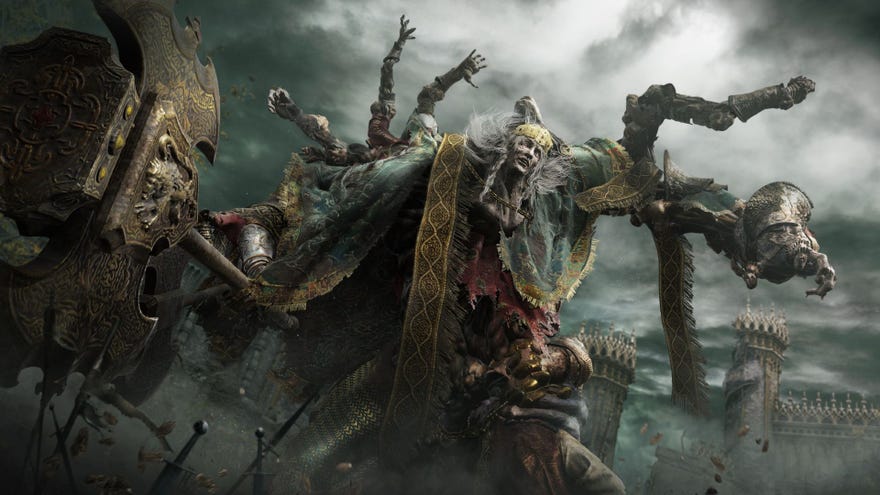
Sony Interactive Entertainment and Chinese conglomerate Tencent have bought a combined 30% of stock inElden RingandSouls seriesdevelopers FromSoftware, parent company Kadokawa Corporation haveannouncedtoday. The transaction leaves Sony with a 14% stake in FromSoft, and Tencent acquiring 16% of the company’s shares. Kadokawa remain the largest shareholders, holding almost a 70% stake in FromSoft.
Elden Ring’s Open World Is Impossibly Rich | My Fav Thing In… (Elden Ring Review)Ed lets us in on what his favourite part of Elden Ring is.Watch on YouTube
Elden Ring’s Open World Is Impossibly Rich | My Fav Thing In… (Elden Ring Review)

Elden Ringhas been a huge success for FromSoftware since its release in February, selling millions of copies. It’s no surprise then that, in a climate wheredevelopers,publishersandintellectual propertyare being bought up on a regular basis, FromSoft have attracted some interest from bigger companies. Today’s deal cost ¥36.4 billion (£225 million).
FromSoft say they’ll use the money to invest in “more powerful game IP” and “establish a framework that allows the expansion of the scope of its own publishing in the significantly growing global market”. They’d previously had to rely on the help of heavyweights such as Activision, who publishedSekiro: Shadows Die Twiceoutside of Japan.
Sony have recently committed tobringing moreof their first-party games to PC in the next few years. The Japanese publishers might be planning their owngame launcherfor our beige boxes of choice, too. As Graham pointed out when Sonybought PC port specialists Nixxeslast year –Bloodbornewould be nice wouldn’t it?
The PlayStation producers aren’t averse to outright buying developers, having completed their$3.6 billionpurchase of Bungie last month. The FromSoft shares purchase might be an initial investment, as with NetEase’s minority stake in Quantic Dream in 2019 ahead of their freshly announcedfull acquisition. I’ll let you know if anything changes.
Theconsolidation of the games industrydoesn’t seem to be slowing down.
