HomeReviewsOverwatch 2
Spot the difference
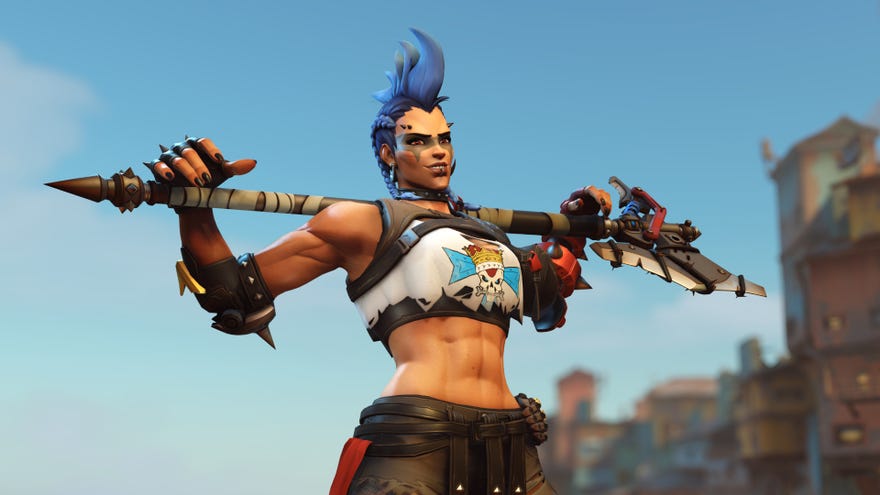
Put a screenshot ofOverwatch 2next to a screenshot ofOverwatch 1, and you’d be hard-pressed to spot any difference. Both display a vast chaotic ballet, in which two teams composed of some of the most well-realised characters in hero shooters wage war until one team emerges triumphant. Just like its predecessor, Overwatch 2 is one of the most delicately crafted sensory onslaughts I’ve experienced in a game.
Guiding my old favourite heroes through venerable maps like King’s Row and Route 66, it’s like I never left. In many ways, it feels like I’ve simply been given a reason to play Overwatch 1 again. Is that enough for a sequel? Is it enough to justify the incredibly confusing, lengthy, and oft-botched process of trying to make Overwatch feel relevant again? I’m not certain it is. But perhaps it should be.
Overwatch 2 Is Not A Sequel, But I Love It All The SameLiam has also been playing Overwatch 2, and shares his thoughts in the video above.Watch on YouTube
Overwatch 2 Is Not A Sequel, But I Love It All The Same

The good news is I needn’t spend long explaining the game. Even people who never played the original know what Overwatch is. It’s a vibrant, punishing team-based hero shooter, with a strong emphasis on the “team” part. You and your squadmates create a team out of a roster of 30-odd heroes, and fight to complete objectives such as escorting a payload across the map or capturing a target area and holding it against the enemy. Matches are fast, hectic, and oodles of fun.
It took a few games, but I definitely began to feel the difference that the lower team size brings. It feels harder to hold a spot against an enemy push. Often, one concentrated attack is enough to break your ranks - and your only recourse is to consolidate and push right back. Matches have always felt aggressive in Overwatch, but in Overwatch 2 I felt less of a sense of pondering the best course of action. You don’t often have to think about why you’re failing to break the enemy’s defence, whether to switch to a different hero, and so on. The best course of action is almost always to reconvene and push.
It’s good, because I do remember the frustration of repeatedly failing to break through an enemy team’s well-established defensive line. That’s much rarer these days. Lowering the number of players in a match is also good news for performance, matchmaking, and reducing the visual clutter during team fights. But I still can’t help but feel like something has been lost in the process. It feels easier to switch off my brain playing Overwatch 2, which may be a good thing or a bad thing depending on your perspective.
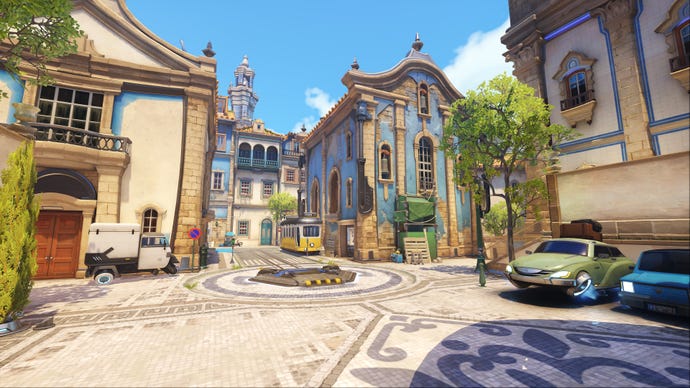
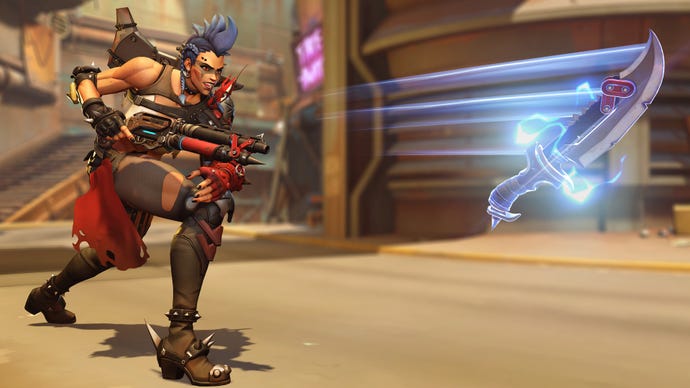
It should come as no surprise that Overwatch 2 looks, sounds, and feels wonderful to play. The maps are captivating and tightly designed; the heroes even more so. I say it again: these are possibly the most well-realised characters in the genre, and - subjective opinions on skins aside - they’ve never looked better. The first-person animations are wondrous to behold, and the sound design elevates it all even further. Cassidy’s Peacekeeper still feels weighty and dangerous. Junkrat’s grenades still have that incredibly satisfyingTHONKas they leave the launcher. Zenyatta’s orbs stillSHWINGpast like lethal and musical shards of glass.
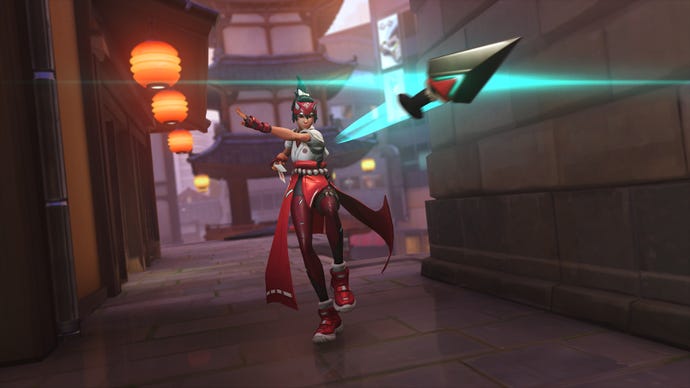
My favourite is Kiriko. She’s the new Support character, and with her teleport ability and potent healing primary attack she makes a fantastic pocket healer (a healer who devotes all their energy to following and healing one particular ally). But she’s also a great flanker, with a wall-climb ability and a secondary attack which throws kunai that deal extreme headshot damage. I had a lot of fun figuring out unexpected ways to flank the enemy team before dashing back and providing much-needed healing to my frontline. More than any of the other heroes, Kiriko made me feel the excitement of having Overwatch 2 feel fresh and new again.
It’s truly incredible to have such a large roster of heroes who all legitimately play and feel completely different from one another. It must be a balancing nightmare, but they’ve done a really great job over the years, and as far as I’ve seen, the new heroes look to fit comfortably into the meta, rather than breaking it entirely. Of course, that may soon change. Overwatch 2’s new update model promises a healthy injection of new content every nine weeks, including more new heroes. It’s an exciting prospect, as is the clean slate that Overwatch 2 provides. Everyone starting from scratch, figuring out the new heroes and maps together.
In reality though, it’s hard to stay annoyed about all that when you’re actually playing. Like its predecessor, Overwatch 2 is just plain fun, particularly with friends. At the end of the day, if you can separate Overwatch 2 from its confusing context you’ll likely have a great time. Playing matches over the past few days has made me interested in Overwatch again for the first time in years. The changes to team compositions and fan-favourite characters may irk veteran players, and Overwatch 2 may have forever lost a little piece of the tactical thinking that helped make the original’s matches so dramatic. But it’s still a wonderfully crafted, top-tier FPS that has given a lot of players a reason to dive back in - or perhaps to dive into the world of Overwatch for the very first time, if such people still exist in the world.
Then again, they’ll have to grind for dozens of hours just to unlock all the heroes and reach the same level as the rest of us. Oh, Overwatch. I wish you’d stop getting in your own way.
Activision Blizzard are currently the subject of a number oflegal actions,labour disputesand allegations ofworkplace harassment. Rock Paper Shotgun will continue to write about these issues, as well as covering Activision Blizzard games as part of our commitment to cover subjects of interest to our readers. The latest news can always be found under ourActivision Blizzardtag.
