HomeReviewsOmori
Omori reviewLook at this photograph
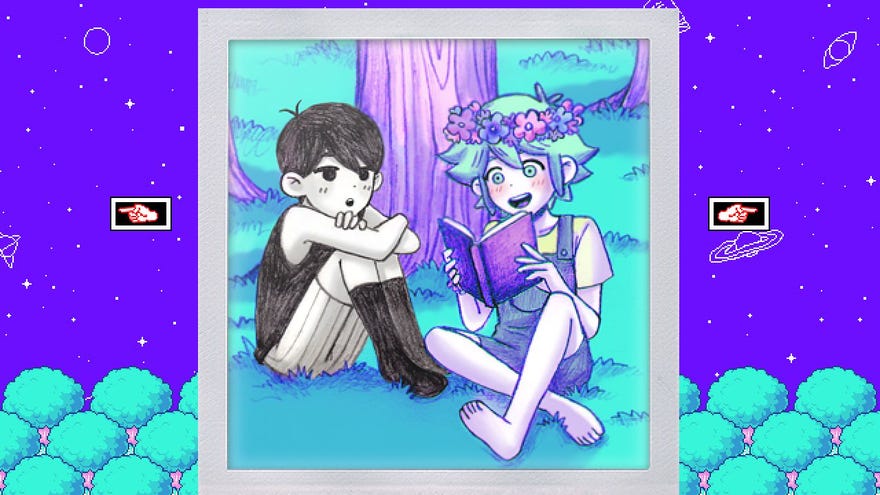
Look at this photograph
OMORI 2020 TrailerWatch on YouTube
OMORI 2020 Trailer

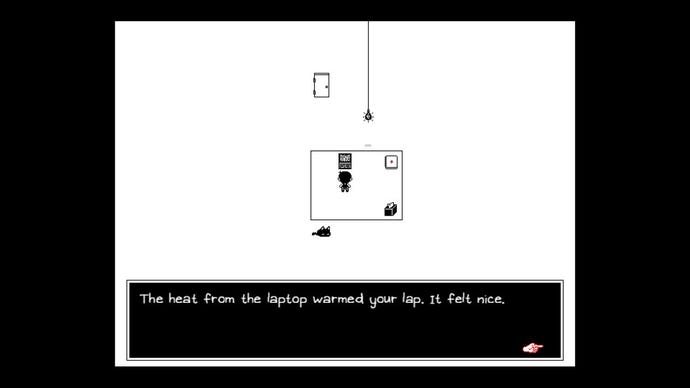
The story ofOmori, a small RPG with a fervent fanbase released in the last few days of 2020, is built on such moments. Based on an independent manga of the same name, Omori is the story of a silent teenager who spends most of his time exploring elaborate retrowave fantasy worlds. When he’s not battling household objects or gators wearing sunglasses, he inhabits a blank room known only as “White Space” that contains his laptop, a black lightbulb, a box of tissues, and an extremely disturbing sketchbook.
Crafted in the style of gonzo RPGs like Earthbound, Omori vacillates wildly between a kind of wholesome strangeness and grim psychological horror. It spends the duration of its roughly 20 hours slowly unwinding a shocking event that leaves a trail of grief, repression, and broken friendships in its wake. How the eponymous protagonist, also named Sunny, chooses to deal with this trauma sits at the crux of its story.
Omori hits at a very particular time for me. I’ve spent much of the pandemic unpacking long-standing grief, reexamining old feelings, and processing my emotions with those closest to me. Nearly eleven months of lockdown will do that. So while Sunny’s journey doesn’t read as especially new - how many indie games are about unpacking trauma? - it does resonate with me. It helps that it attacks its subject matter with a verve that goes above and beyond games of this type, with standout art resembling that of a sketchbook come to life.
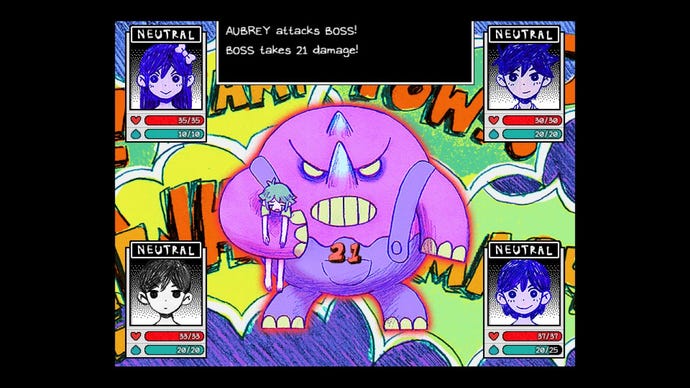
Its rock-paper-scissors strategy revolves around emotions, with sadness beating happiness, happiness beating anger, and anger beating sadness. Each emotional state brings with it particular stat boosts, and it’s possible to escalate from being simply happy to a state of manic excitement. Omori / Sunny is particularly disturbing in such moments, his eyes becoming empty white orbs as he grins maliciously at the camera. Omori has a way of taking what should be a positive or sweet moment and making it seem vaguely horrifying, which fits in well with its idea of a bright fantasy world masking a terrible reality beneath.
Omori is admittedly at its most conventional in these fantasy worlds, its flow a familiar mix of combat, puzzle-solving, and exploration in the mold of retro Japanese RPGs. Omori / Sunny can slash obstacles using his knife, his friend Aubrey - a tough girl wielding a baseball - can slice them, and so forth. It picks up during the often difficult boss battles, which challenge you to properly lean on the strengths and weaknesses of the various emotions, and to properly use party assists for immediate heals and group attacks.
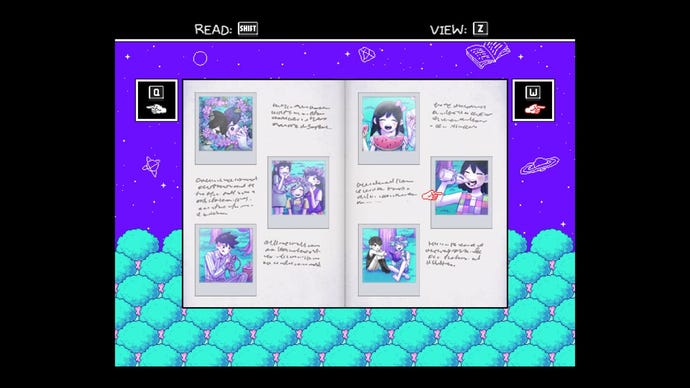
Much of the mystery is centered on a photo album that crops up throughout the story. Initially presented as a source of warm nostalgia and joy, it morphs into a talisman of sadness, then something else entirely. Photos are a recurring motif throughout Omori, a physical reminder of the past that everyone is trying to leave behind. When switching between party members, a quick polaroid appears, a funny moment that is nevertheless tinged with a vague sort of sadness. One of the story’s climactic moments also involves photos, which is presented in a way that feels horrifying despite showing very little.
These days, few people trouble to build actual photo albums, unless they are doing so as a crafts project. Instead, photos will pop up unbidden on phones and social media feeds, blindsiding you with an unexpected blast of nostalgia or grief. A couple years ago, my phone started showing me a wave of photos from 2014, unintentionally surfacing a particularly painful period in my life. The random photo of a sushi chef prepping my dinner was innocuous enough, but it hurt to think about why I was sitting alone in that restaurant on that particular night.
Thankfully, I’m doing a bit better these days, but only after a significant amount of work. As for how Omori / Sunny deals with his grief, that’s up to you. In the way that only a well-made RPG can really manage, it presents choices that aren’t always obvious in the moment, but become significant later on. Even the simple act of choosing whether to answer the door is an important choice that can send the story spinning in a totally different direction.