HomeFeatures
“We knew whatever we wanted to do next was going to be even better”
Image credit:Rock Paper Shotgun/Nightdive Studios/Prime Matter
Image credit:Rock Paper Shotgun/Nightdive Studios/Prime Matter
In short, it’s been a busy year for the remastering maestros. In the wider context of 2023, which has been simultaneously a banner games and a deeply worrying year for the people making them, I wanted to know how Nightdive view the last twelve months, and what the audience response to these projects means for the studio’s future.
To see this content please enable targeting cookies.Manage cookie settings
To see this content please enable targeting cookies.Manage cookie settings
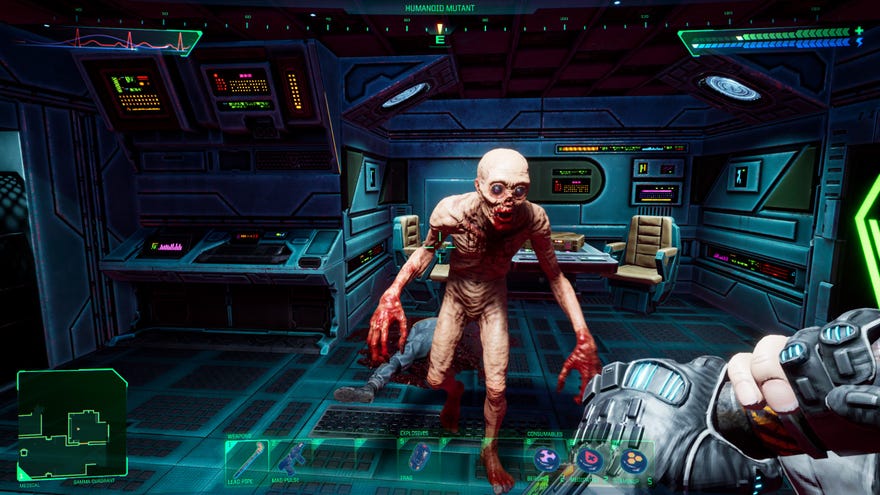
Although the general reaction was very positive, there were a few elements of the remake that didn’t go down so well. Foremost among these was the game’s final encounter, which diverges heavily in mechanics to the rest of the game, stripping players of the agency they’d enjoyed up to that point. Nightdive have taken those criticisms on board, applying them to a major update intended to launch on PC alongside the game’s console release. “The ending has been completely reworked based on feedback from the fans.” Kick says.
The well-received System Shock Remake |Image credit:Nightdive Studios
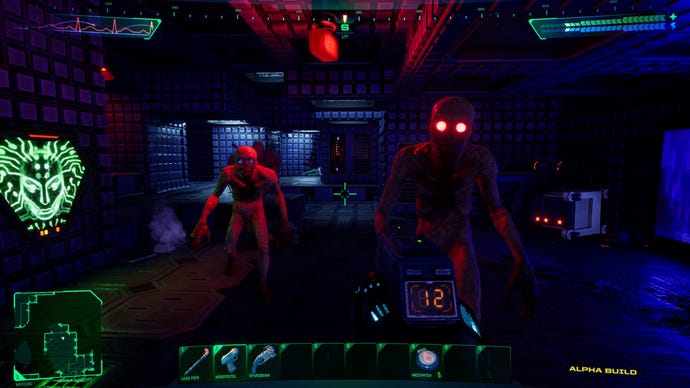
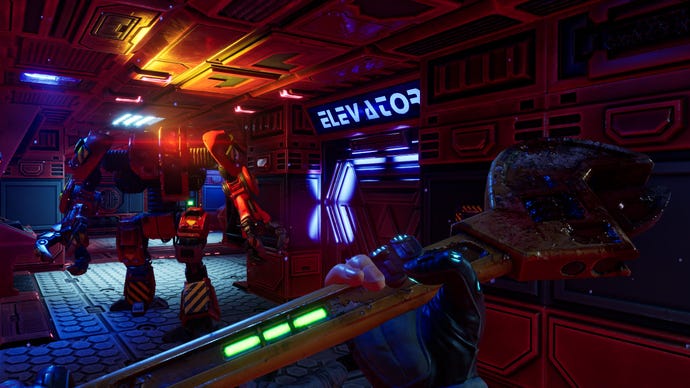
“We’ve had a sufficient amount of time to go back and fix bugs and improve the user experience, look at all the feedback and apply that to the big update that’s coming.” As for when that update will land, that depends on the console release, which Nightdive says is down to the remake’s publisher, Prime Matter. “We’re not holding it back. We’re working with our publisher, still going through the cert process,” Kuperman says. “That release is not 100% under our control.”
Overall, though, in terms of pleasing fans and honouring the game’s legacy, System Shock was an undeniable success. But it was a long, hard road getting to that point, especially compared to Nightdive’s bread-and-butter business in the remastering space. Given the stress and the risks involved, is Nightdive likely to do something like this again? Kick confirms that, not only is he interested in pursuing similar projects, it’s already happening. “The Shock team has been hard at work on the next thing,” he says. “We decided we had spent so much time over the years building that team and had gelled so well, that we knew whatever we wanted to do next was going to be even better than System Shock remake. And so they’re in the process of working on that now.” Kick doesn’t reveal what that project might be, but it wouldn’t be surprising if it related to the studio’s other major news story of the year.
All of this has severely damaged Atari’s brand. But it wasn’t the brand that attracted Nightdive to Atari, it was the company’s new CEO, Wade Rosen. “We had a historical relationship with Wade Rosen that predated his becoming CEO of Atari,” Kuperman explains. Like Nightdive, Rosen has an expressed passion for retro games, and is keen to change Atari’s modern perception, demonstrated through project like the well-received Atari 50. “It just seemed natural for us to join forces there,” Kuperman adds.
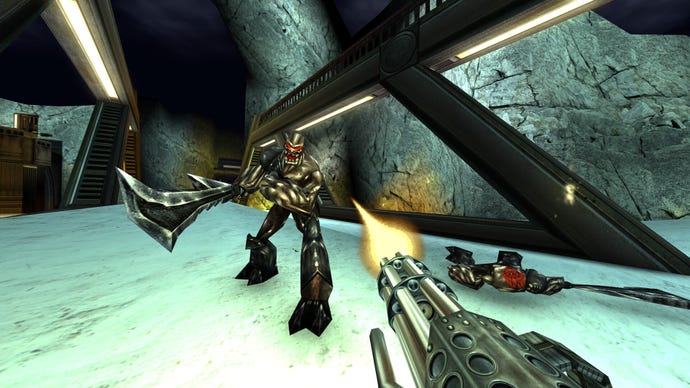
A screen from Nightdive’s Turok 3 remaster |Image credit:Rock Paper Shotgun/Nightdive Studios
The acquisition has meant some changes in how Nightdive operate, but this mostly revolves around the nuts and bolts of running a business. “Now we have legal in-house. We have finance teams. Some of the stuff that kept us from doing more creative things have been taken off our plates,” Kuperman says. In terms of Nightdive’s modus operandi, he stresses that Atari’s message to use at acquisition was keep on doing what you have been doing, only bigger and with more support."
None of this stopped fans and followers of Nightdive from fretting about the company’s future anyway. But six months on, does Nightdive reckon these concerns have been allayed? Kuperman relates a story of one follower doomposting at Nightdive on social media. “[They] posted that how tragic it was that they would never see great games [remastered] like Quake 2 and Turok 3. It took all my forbearance not to respond back and say ‘Wanna bet?'”
The Quake 2 remaster |Image credit:Rock Paper Shotgun/id Software/Bethesda Softworks/Nightdive Studios/
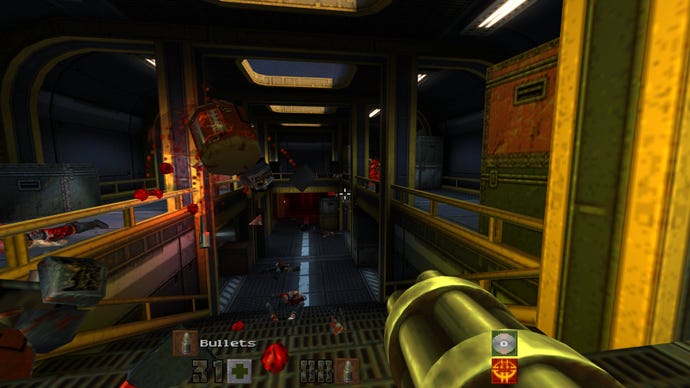
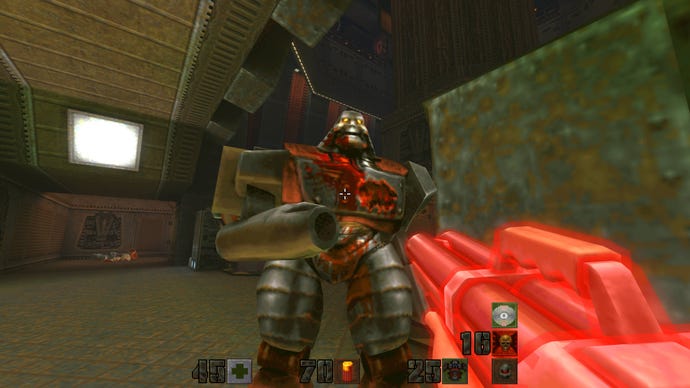
The other was a technique Nightdive experimented with in the Quake remaster, namely editing the game’s 3D models to make them smoother and more sharply defined. “If you had never played the game before, you wouldn’t notice anything. But if you had, you could recognise that the silhouettes are a little bit more defined, and there’s a little higher texel density in the textures that really make them pop. And it was almost like playing it for the first time again. So we pushed that a lot further with Quake 2.”
Nightdive adopted this approach with their remaster of Turok 3, for which - alongside the addition of things like widescreen and HD support - Nightdive’s artists redrew the game’s textures from scratch. “This is something I’ve always wanted to do, aside from just making the game playable and including all the features that make it enjoyable,” Kick says. “Now we’ve truly hit that next step in our evolution as a company where we can make the game look good too.”
Dark Forces might not seem that different from other projects Nightdive has done, but the crucial element to consider is who owns Star Wars now, and what it took to get permission to remaster this LucasArts classic. “It was years of begging on our part,” Kuperman says. Kick doesn’t believe Disney ever “doubted our abilities”, but that “it took a while for our gravitas to reach that level where I think they truly felt comfortable engaging with us.”
An art asset from the upcoming Star Wars: Dark Forces Remaster |Image credit:Nightdive Studios
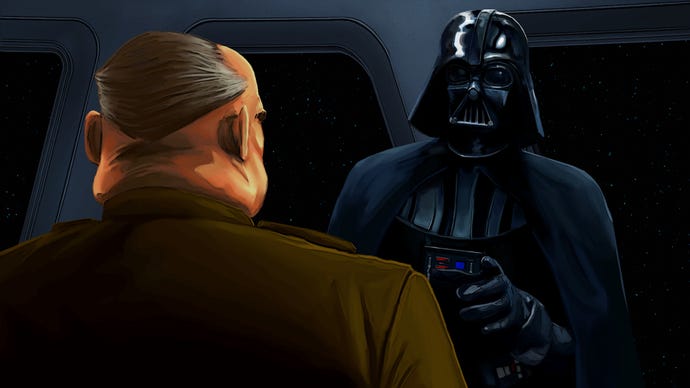
The Dark Forces Remaster is due out early next year. But it’s far from the only project Nightdive are working on for 2024: Kuperman says they have five games slated for next year. Nightdive won’t reveal what those projects are, but Kuperman says that “if fans look at what we’ve done so far, and accept the reason for our working relationship with Atari is to do more of the same, they’ll be able to deduce, or at least speculate, on what some of those projects might be.”
“For a lot of the big companies, they can lay people off, and they’ll be able to hire people back, either new people are lower wages or the same people at lower wages… if games are art, then the people that make them are artists. And we deserve to be treated better than that.”
