HomeNews
IO have a policy against using AI in gamedev, but it “might be for us in the future"Making a fantasy RPG after Hitman is a “fun challenge”
Making a fantasy RPG after Hitman is a “fun challenge”
Image credit:Io Interactive
Image credit:Io Interactive
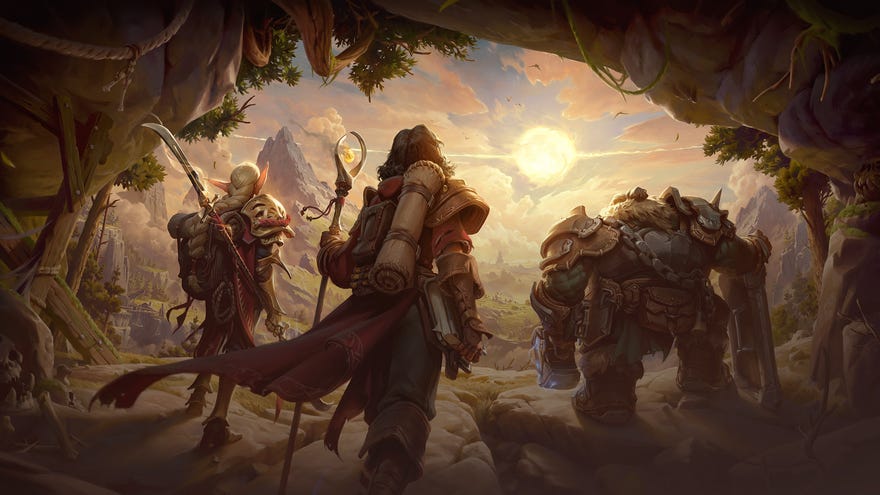
IO Interactive have found such success withHitmanover the past decade that it’s hard to imagine the developer making anything else, but I have many vivid memories of its non-Agent-47-centric outings. 2010’s Kane & Lynch 2 was a very special breed of spiritual ugliness, while 2003’sFreedom Fighterswowed youngling me with its chunky urban squad tactics. I also have a soft spot forMini Ninjas, one of IO’s few jaunts into the realm of family-friendliness, if only because as somebody familiar with IO’s other work, I could smell the blood beneath its bloodless Nickleodeon visuals.
We’re not expecting a proper reveal for the latter anytime soon - or at least, nobody here’s told me nuffink - butGamereactorhas published an intriguing, wide-ranging chat with IO’s core engine programmer Álvaro Fernández and senior technical executive producer Cris Vega (both speak English as a second language - I’ve edited the transcript lightly for readability). According to Vega, making Project Fantasy is a complicated challenge; it follows on from years of obsessing over the inner workings of Hitman, whose very particular approach to social stealth has obliged the creation of some pretty specific technology.
Image credit:IO Interactive

The same may not be true of the new fantasy RPG, though Vega naturally didn’t go into detail. “For very long, we’ve been very good at third person shooters, sandboxes and then all of a sudden, Project Fantasy. So now we want to be the best at that, which is actually, I mean, it’s a challenge that we also like. We’ve been optimizing performance for many years, AI and solving the same problems to the limit of perfection. So now we have new challenges and that’s also fun for us, right? It’s like, okay, now [we have] an RPG and this new technology.”
While we’re on the subject of technology, Fernández and Vega also discussed the, to put it mildly,contentiouspossibility of using AI to generate aspects of future games. “We actually try to go for a more conservative approach there, because we know [the older approach] works,” Fernández told Gamereactor, when asked about the prospect of using AI-generated assets in future IO Interactive titles. “It worked for us in the past, you know, so it should work again in the end. That being said, I don’t think we are completely closing that door, you know, but I don’t think we’re actively looking into that at the moment.”
As ever with conversations around the current generation of machine learning tech, the bigger question is to what extent companies might use it simply to cut costs and supplant human labour. Ubisoft’sGhostwriter toolattracted a mixture of fiery and supportive responses this May.
