HomeFeaturesYakuza: Like a Dragon
How the role of women has evolved in the Yakuza seriesNot just one of the LADs
Not just one of the LADs
From the beginning of its inception,Yakuzawas a game made for the adult male audience in Japan. It’s a point that its creatorshave previously brought upwhen interviewed about the games.
Yet, as the entire mainline series is finally available on PC,Yakuzahas become an international hit for Sega, and I’m thrilled that many new converts and some of the most vocal cheerleaders are women. Coming to the latest entry,Yakuza: Like A Dragon(LAD for short), there are a lot of drastic changes to the formula, from new protagonist Ichiban to a turn-based JRPG battle system - but one notable shift is its relationship with women.
Yakuza: Like A Dragon’s RPG Combat Is Ace | My Favourite Thing In… (Yakuza: Like A Dragon Review)Watch on YouTube
Yakuza: Like A Dragon’s RPG Combat Is Ace | My Favourite Thing In… (Yakuza: Like A Dragon Review)

Even as a macho-centric series, women have always played a role in Yakuza, notably Kiryu’s adopted daughter Haruka, a series regular who must be protected at all costs. Memes aside, that is actually the running theme for most women in the series. From Makoto inYakuza 0, to Yuri inKiwamiand Lilly inYakuza 4, most fit the damsel trope of desperate victims in need of rescue from men. A few of them meet tragic ends, and even if it’s notoutrightfridging, their deaths are still also used as a way to affect the men in the story.
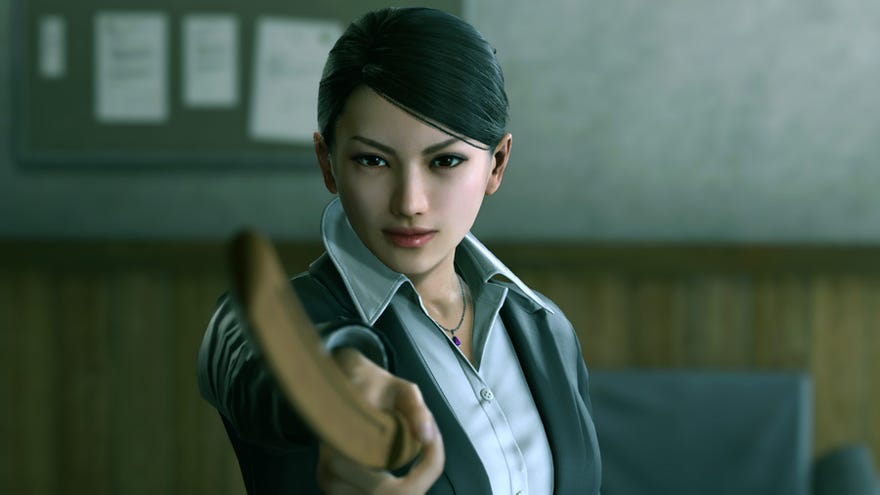
That doesn’t mean the series hasn’t tried a different tack, as it did early on in the sequel (which we get with remakeYakuza Kiwami 2) with bad-ass detective Kaoru, who’s introduced as ‘the Yakuza Huntress’. But while Kiryu might consider her his equal, the plot somewhat neuters her character, from the moment you’re having to carry her around town when she gets shot, to the inevitable point that she becomes a love interest. It’s telling that, when she’s briefly referenced inYakuza 5, we learn her police department in Osaka became a joke after she fell in love with Kiryu.
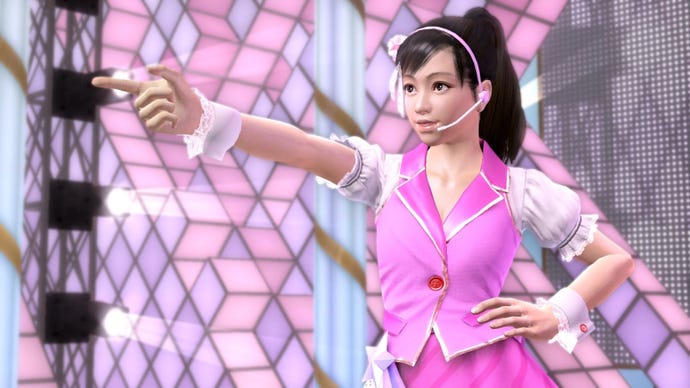
Haruka is a more interesting case, as players watched her grow up from a precocious nine-year-old to a young woman and mother, and the time we spent getting to know gives her more depth than any other female character in the series. More importantly, she also becomes the series' first playable female protagonist in Yakuza 5. Okay, so she’s not canonically going around beating up thugs (although that hasn’t stopped modders) - instead, she’s out on the streets of Sotenbori to fulfil many a Japanese high school girl’s dream - making it as a pop idol.
Personally I enjoyed taking on all of Haruka’s jobs, and as a rhythm game nut I loved how smacking down your opponents is suddenly replaced with wholesome Hatsune Miku: Project Diva-style rhythm mini-games. Still, it’s hard to deny that for a debut female protagonist in the series, it feels much more like filler compared to the more serious drama going on in the rest of Yakuza 5.
After the sudden murder of soapland boss Nonomiya, we get Nanoha’s alter ego on the scene. To be exact, Saeko is her older twin sister, both a literal and figurative replacement of the typically vulnerable damsel - a fiercely independent hostess-turned-bartender who can hit as hard as the lads, not to mention out-talk and out-drink them.
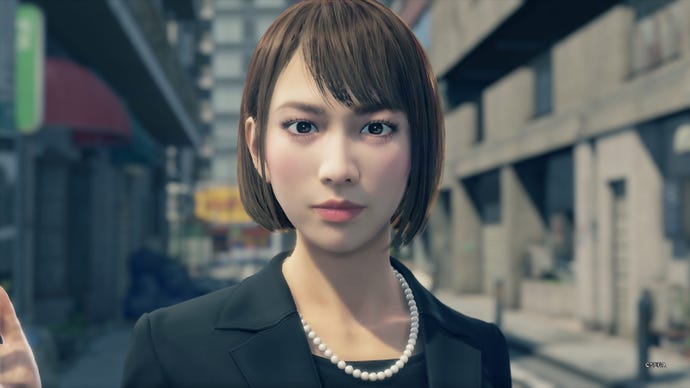
While still set in a seedy part of town (Yokohama’s Ijincho rather than Kamurocho), the story sympathises with sex workers, and does so without then turning around to exploit them with creepiness in mini-games or other features. Hostess clubs do still exist, but they take a backseat compared with past instalments, while mini-games involve go-karting or staying awake at the cinema rather than the more titillating offers in the past.

But even if LAD does stumble back into some old-school sexism, that shouldn’t undermine the steps forward - the evolution that the Yakuza series has undergone since first being marketed purely for adult Japanese men. Yakuza may still be fundamentally masculine with its characters and themes, but in the same way the term lad has also evolved in recent years to encompass not just young men but progressive ideas, the series has done its share of growing up.
I’ll still have a soft spot for the old games’ more problematic elements, which you can still play at any time in its best remastered/remade iterations, but women’s roles in Yakuza are only getting better from here on out.
