HomeFeaturesTales Of Arise
How Tales of Arise rose up for a new audienceWe chat to Arise producer Yusuke Tomizawa about the series’ new start
We chat to Arise producer Yusuke Tomizawa about the series’ new start
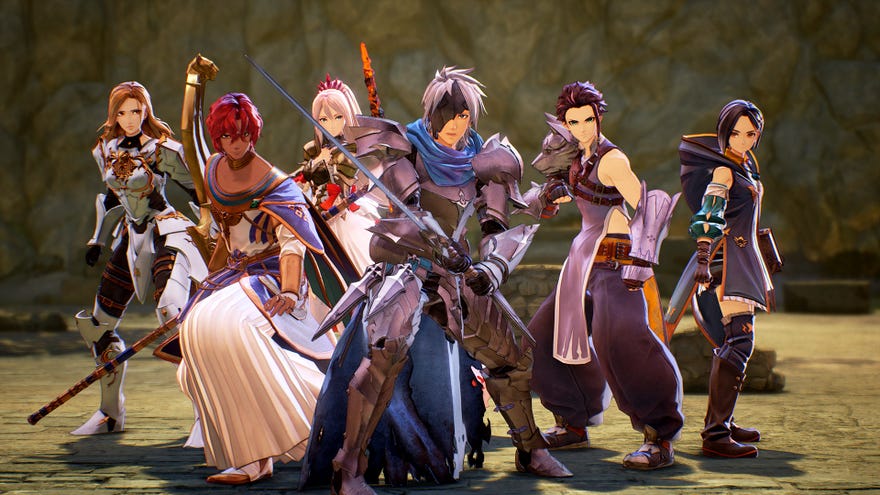
Bandai Namco’s first Tales Of game, Tales Of Phantasia, weighed in at a previously unheard of 48MB when it released in 1995. That’s a mere wisp of data nowadays, but a veritable beast for a Super Famicom game cartridge. The cost of these high capacity carts, combined with westerners' ho-hum attitude towards RPGs at the time, likely axed any chance it had of being translated. Later Tales games have had better success in the west - 2003’s Tales Of Symphonia was arguably its first breakout hit outside Japan - but the series as a whole has always seemed to exist on the fringes of the JRPG dynasty. While the Tales games certainly have a following outside Japan, western JRPG fans still tend to gravitate toward Square Enix’sFinal FantasyandDragon Questgames, or Atlus' Persona series.
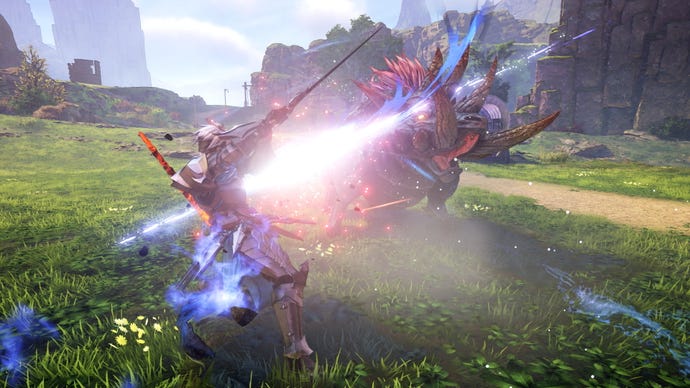
But the Tales series' low-key existence is seemingly coming to an end thanks to the recently releasedTales Of Arise. With its bright, eye-catching visuals and its uniquely frantic battle system, it turns monster slaying from a chore into an addiction, and has won the hearts ofmany curious newcomersin the process (including yours truly). With this influx of new blood, Tales might stand a chance of grabbing a throne at the heart of the JRPG genre. I recently talked to Arise producer Yusuke Tomizawa, who worked hard to tailor the adventure for a new Tales audience as much as its established fans. He explains how Arise’s development went down a long, risky road, but it paid off in excellent review scores, happy fans, and a refreshing new direction for Tales.
TALES OF ARISE - Launch TrailerWatch on YouTube
TALES OF ARISE - Launch Trailer
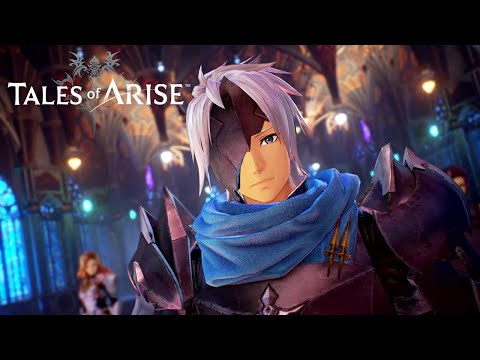
“In the development process of Arise, we went through a kind of overhaul to reconsider the entire concept of the series before starting development,” Tales of Arise producer Yusuke Tomizawa tells me. “I think that period of time was not only beneficial for Arise, but also useful for the future of the series.”
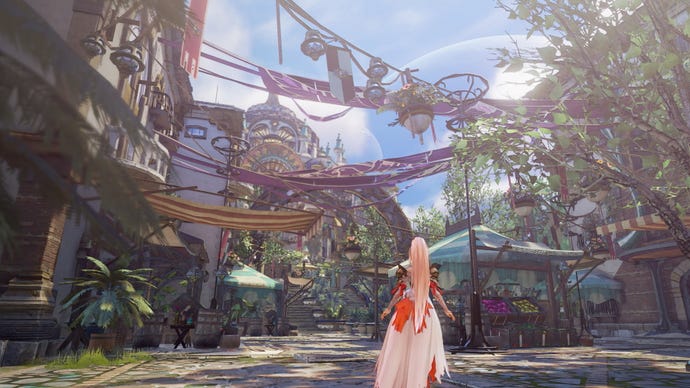
The break gave the Arise team enough time to shift the game off the series' custom in-house engines and onto Unreal Engine 4 (UE4). The engine switch allowed for a major boost in Arise’s visuals, which are lovely. Characters and monsters have fluid, convincing movements that have clearly caught the eyes of a new generation of fans in the west. That said, Tales' previous engines allowed for uniquely warm visuals that weren’t always easy to emulate with UE4. According to Tomizawa, though, the Arise team spent a lot of time tuning the engine to “make it work harmoniously” with the bright anime aesthetic the Tales games are known for.
“We [also] chose not to use most of the assets from previous games because of the engine change, so it was expected to be a lot of work in the beginning,” Tomizawa says. “However, over a long period of development, thanks to the great efforts of the art team, we were able to create a unique and harmonious art style called ‘Atmospheric Shader’, which was tuned to be unique and take advantage of the capabilities of UE4.”
JRPGs go hand-in-hand with dramatic narrative, and Arise’s story of rebellion and unrest checks off that box nicely. It’s not uncommon for Tales games to edge towards the darker side - though some entries, like 2008’s particularly well-lovedTales Of Vesperia, is laugh out loud funny at times - but Arise starts off on a serious note as hero Alphen struggles to survive as a slave in a fire-scorched realm. Players can find respite from the gloom through young characters like the cheerful mage Rinwell and her adorable owl familiar, Hootle, but Arise’s story of war and oppression is definitely on the grimmer side.
The shift was a conscious choice for Arise’s writers. Not only does it set a fresh new tone for newcomers to Tales, but Tomizawa points out the narrative has been “aged up” for longtime Tales fans who’ve been with the series since their teens.
“Many people who were in their teens when the first game from the series was launched are now in their 30s, and their sensibilities have changed over the years as they have been exposed to various games,” says Tomizawa. “Even those people are Arise’s target audience, and we needed to create a tone and communication that would make them feel the appeal of the game.”
Tomizawa adds that, despite Arise’s heavier story, the team took pains to make sure the game retains its “unique charm” via series' staples like “harmonious characters.” In the end, a careful balance of new and old Tales elements make up Arise’s backbone. “The real charm of this game is that it is not just about the characters. The real charm of this work lies in the balance that everyone can enjoy within the unified tone.”
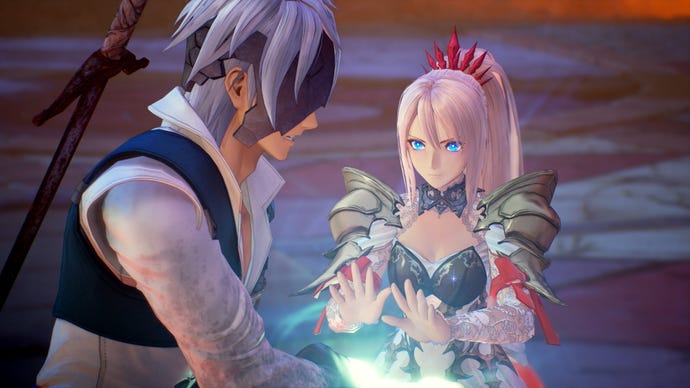
Tomizawa simply sees this rising trend as an example of RPGs living up to their fullest gameplay potential. “I think that there has always been a trend worldwide for the RPG genre itself to naturally incorporate action controls,” he says. “JRPGs that aim to fight in the world have become more active in combining action and RPG elements in various ways.”
Tomizawa also readily admits Tales isn’t the only reason more JRPGs are folding action into their skirmishes - a certain FromSoftware saga takes some credit, too. “TheDark Soulsseries and other titles that gave a crunchy and new sensation to action [also] marked a boost to the strengthening of action in the RPG game.”
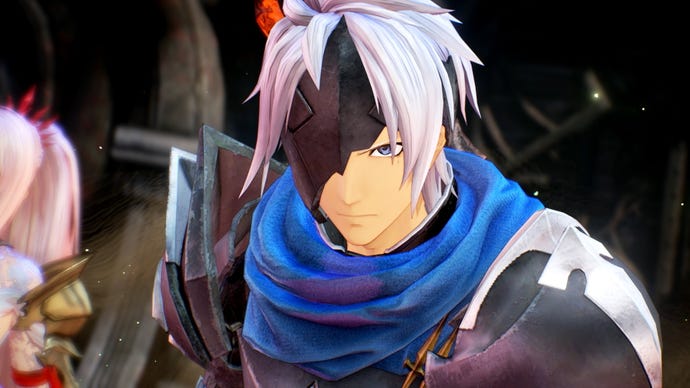
Maybe it’s a little crass to clap our hands and ask, ‘All right! What comes next for Tales?’ while Arise still basks in the earliest days of its success. It’s impossible to avoid dropping the question, however. The world moves fast, the video game industry moves even faster, and Tales fans understandably want to know if they’re in for another extended wait before the next game drops. Unsurprisingly, Tomizawa isn’t ready to say what’s next for Tales, but he admits Arise’s commitment to “inheritance and evolution” will stick around.
“We will continue to update the quality and concept of each title to make it more appealing to the new generation of the gaming market while meeting the expectations of existing fans of the series,” Tomizawa says. “Still, what I believe will never change is that this series will portray the importance of human growth and bonds through the characters' story experiences.”
If that means more Hootle breaks nestled between heavy stories of loss and strife, the Tales series will probably be just fine for a long spell.
