HomeFeatures
Dota Underlords and the autobattler genre is struggling to keep playersAutobattle to the death
Autobattle to the death
Six months later, Teamfight Tactics seems relatively stable, whileDota Underlordsis dropping fast. We normally don’t pay player numbers much heed, but given autobattlers were last year’s big new genre and Dota and League Of Legends are both long-term titans, it’s hard not to ask the question: how come?
The first, obvious, consideration is that TFT lives inside theLeague Of Legendslauncher. Riot don’t regularly reveal their player numbers, but we do know that League had around8 million peak concurrent playerseach day in August. That figure was up 30% from the June prior, when Teamfight Tactics launched. Riot are at a clear advantage, since they can wave TFT in the faces of so many people who are already invested in the game it’s based on.
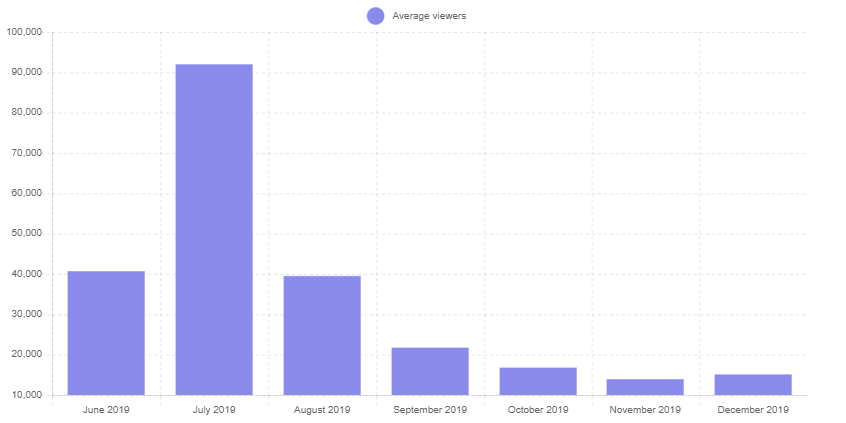
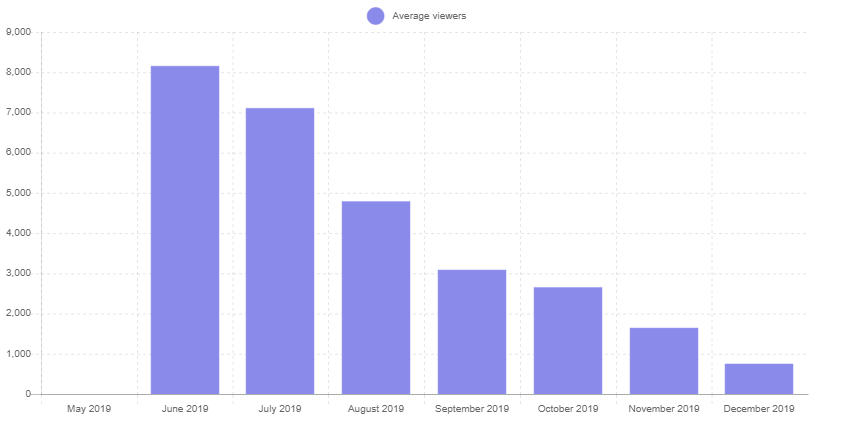
You can look at Dota Underlords’declining figures via Steam Charts, but with Riot being coy about their numbers, the best measure of popularity becomes Twitch viewers. Take a look at the respective charts for Teamfight Tactics and Dota Underlords, pinched from analytics site SullyGnome.
Here’s TFT:
Andhere’s Dunderlords:
Note that the scale has changed on the left axis between the two graphs.
Conceptually, autobattlers are a tougher sell than last-man-standing murderfests. It helps that battle royales are better poised to tug in entire friendship groups, each person caving as they see their pals larking around together in-game. More importantly, though, autobattlers are structured around the creeping satisfaction of puzzle-solving rather than the exhilaration of a hunt. Making it to the last few survivors in Plunkbat creates a high I chased for years, while Dunderlords and TFT can only offer a less-consuming, cerebral sort of pleasure. The fun comes from working out what you need to do, rather than heart-thumping execution. Once you’ve figured out which rules to follow, continuing to follow those rules gives diminishing returns.
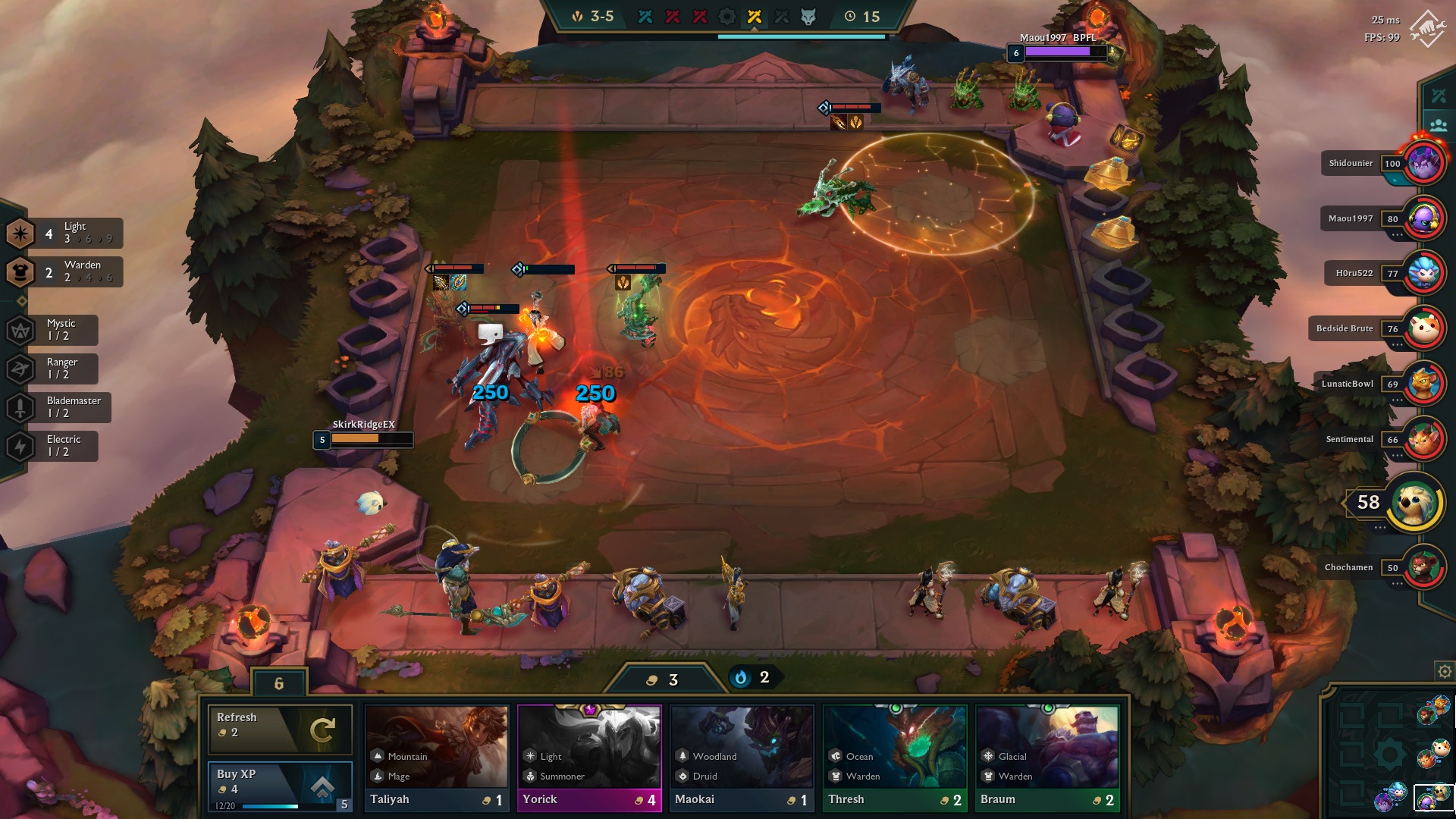
Let’s follow that last thought into a second takeaway from the numbers: it looks as if Teamfight Tactics has done a better job of retaining players. I reckon it’s because the puzzle runs deeper, mostly thanks to how it handles items.
There are nine base items in TFT, and those can all be combined with each other. That gives you 45 possibilities to play with, and learning which items work well with which heroes is vital. Considerations bound outwards. Do you save that Needlessly Large Rod in the hopes of combining it into a Locket of the Iron Silvani? Can you afford to commit items to your low-tier champions, rather than waiting for a late-game one? You can’t remove items from champions without selling that champion, raising the stakes around each decision.
They have more interesting effects than their Dunderlord equivalents, too. There’s an item that heals friendly units when its wearer dies, one that doubles attack range, one that makes you immune to debuffs. You form strategies around each champion, paying attention to their role and specific ability. It’s so much more involved.
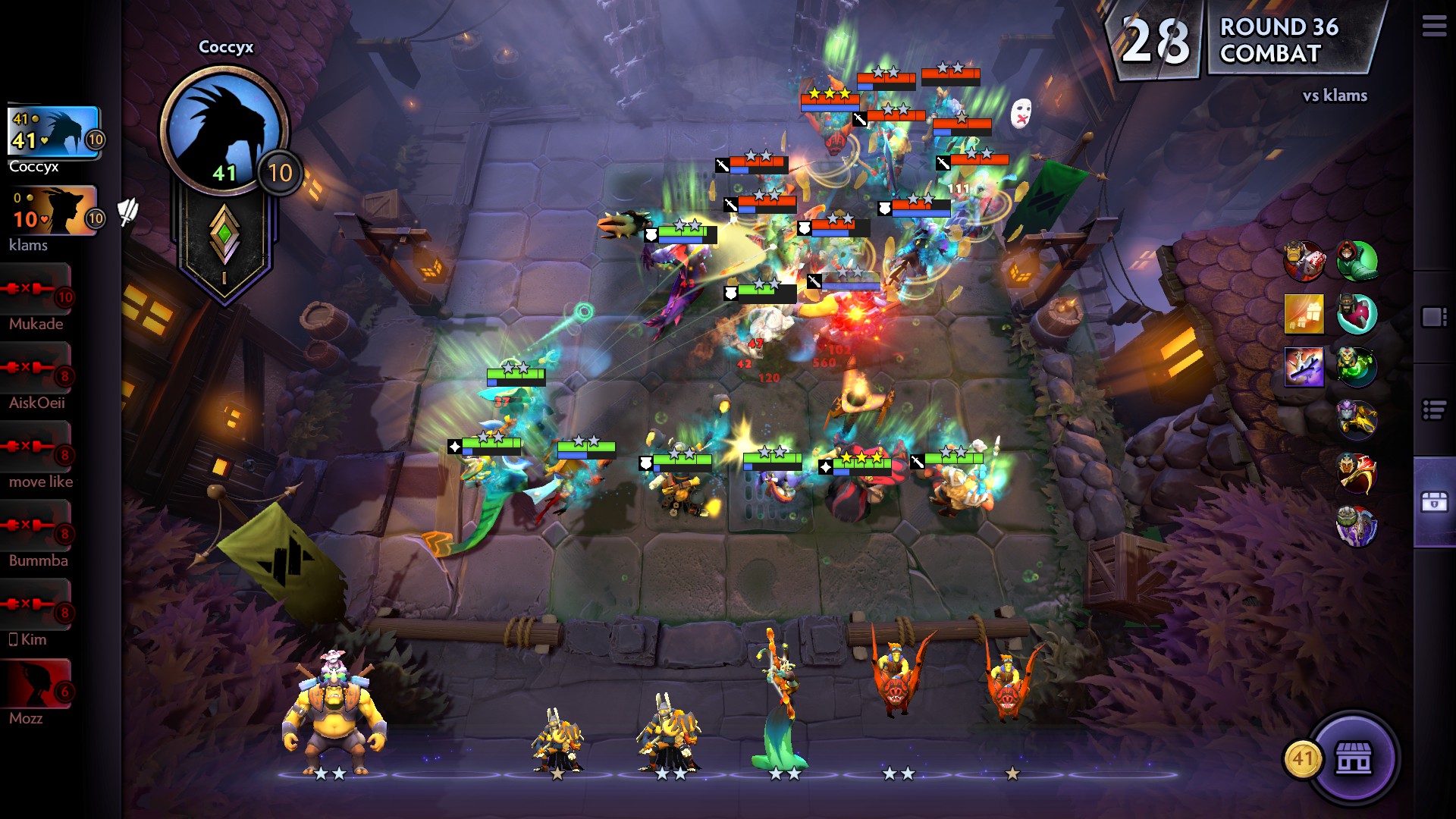
Whether you can get your mitts on good items is still largely down to luck, but it’s a better interplay of chance and agency than Dota Underlords. Dunderlords has items, but the high-tier ones are less impactful, and low-level items swiftly become irrelevant. There’s no clever combination, and few opportunities to feel like you’ve outsmarted your opponents rather than outlucked them. What’s more, TFT has items that change a champion’s Origin, meaning item choices ripple out into the buffs you get for fielding heroes of the same type.
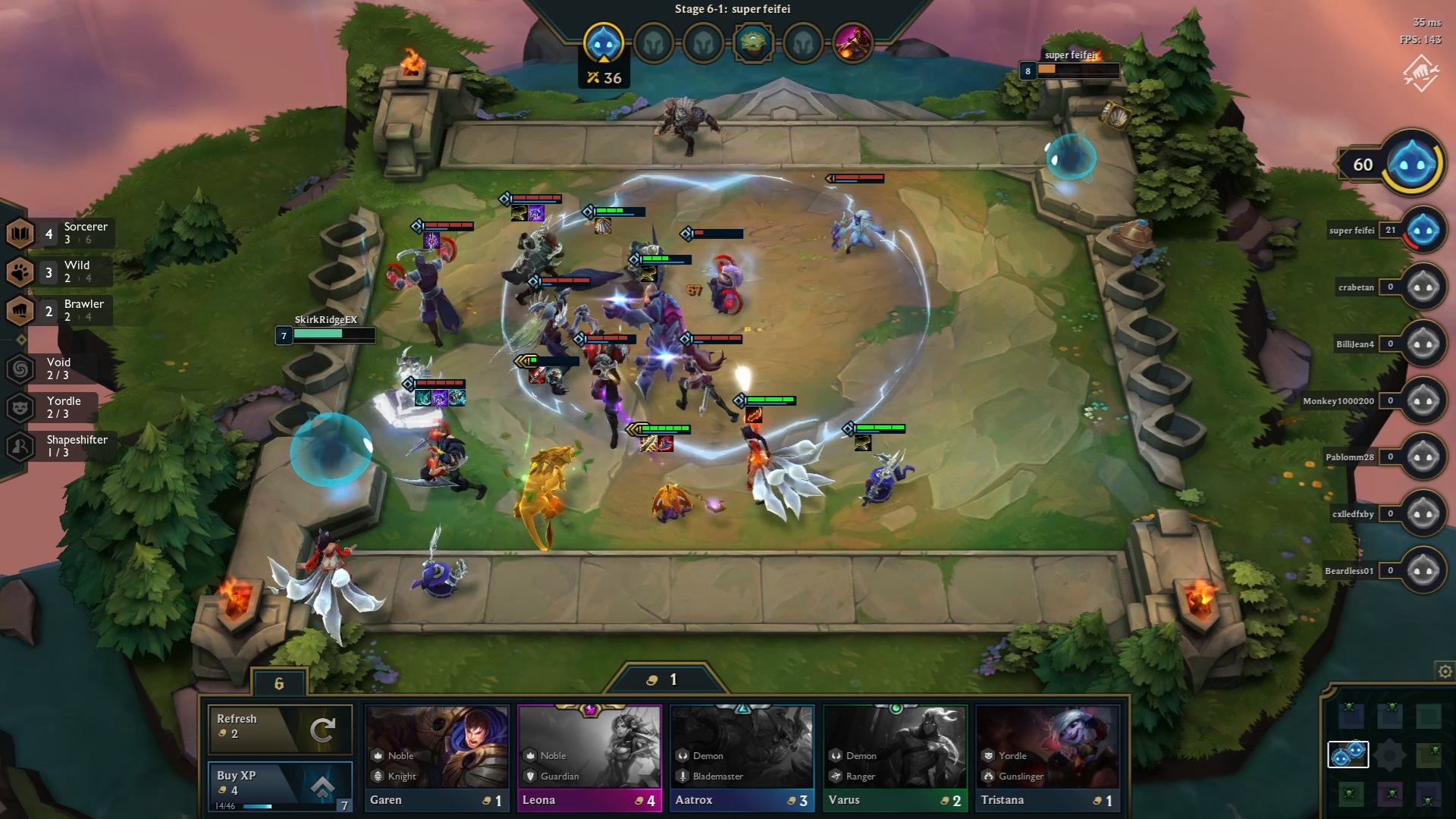
Were I a betting man, I’d wager Teamfight Tactics will be the only autobattler still going in a couple of years. I reckon we’ll come to see autobattlers less as a genre, and more as ‘that game that’s attached to League Of Legends.’
