HomeFeatures
Apollo Justice Trilogy is an even better glow-up than the original Ace Attorney TrilogyNo objections here
No objections here
Image credit:Rock Paper Shotgun/Capcom
Image credit:Rock Paper Shotgun/Capcom
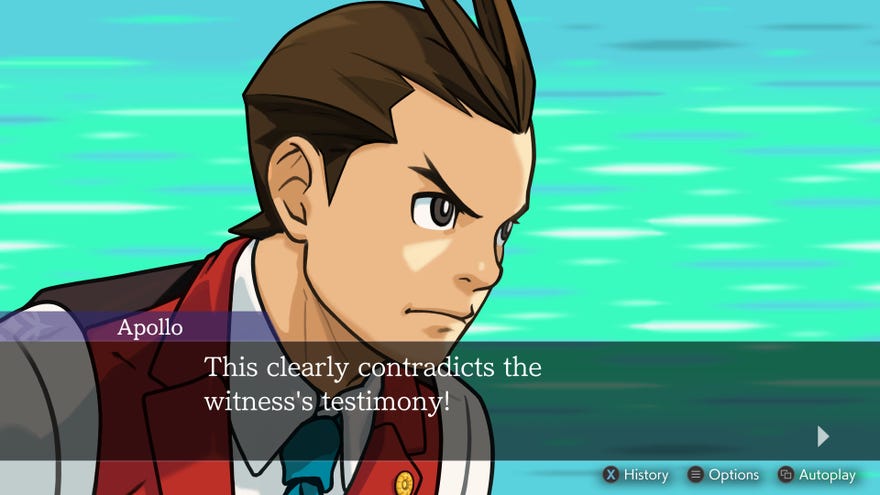
In just over a month’s time, the entire mainline Ace Attorney series will finally be playable on PC with the arrival of theApollo Justice Trilogy. Launching on January 25th 2024, this collection bundles together the fourth, fifth and sixth games in Capcom’s excellent lawyer ‘em up -Apollo Justice,Dual DestiniesandSpirit Of Justice- which originally launched on the Nintendo DS and 3DS across a ten year period between 2007 and 2016. It’s been funny revisiting the earlier cases of these games after so much time has passed. Apollo’s name may be the one on the box, but the series’ original cover star Phoenix Wright is never far from the front lines - not only does he get tangled up on the wrong side of the law in Apollo’s own debut outing, but he’s back as a full-time defence attorney on the (w)right side of the legal bench in the other two.
At the time, poor old Apollo always felt like he got the short end of the stick as Capcom tried to figure out what to do with the series, and to some extent, he still does - for he never quite gets out from under Phoenix’s shadow to completely hold court on his own two feet. But now, after 2021’s excellentGreat Ace Attorney Chroniclesproved that neither time, setting or its lead defence need to be set in stone for the series to carry on, the pressure does feel ever so slightly less intense on a second visit. There’s no denying Apollo still has a bit of an uphill climb on his hands, but if, like me, you’ve been waiting for these games to be freed from their Nintendo-bound prison, this is arguably the best glow-up Capcom’s done to the series to date.
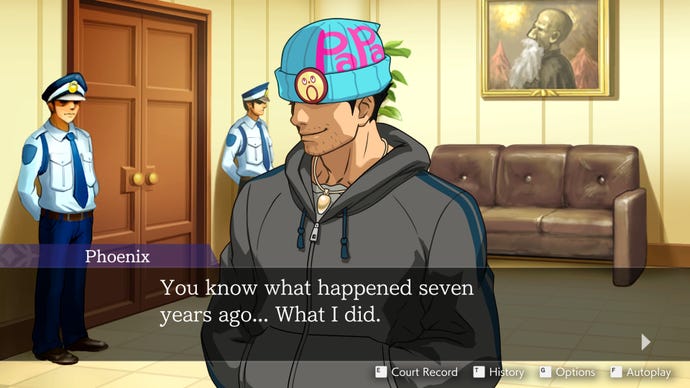
You can’t fool us, mister. We know who you are beneath the beanie (honestly, this is not a spoiler, his identity is revealed within two minutes of starting the game). |Image credit:Rock Paper Shotgun/Capcom
There is, of course, the obvious spruce up to each game’s visuals, which have never looked lovelier when blown up to 4K. If I didn’t know any better, I’d be hard-pressed to say they’d been originally confined to Nintendo handhelds, as all three of them look like the modern-day visual novels you’d expect them to be. Indeed, the only visible piece of evidence that these haven’t just arrived as a simultaneous three-pack of releases is the fact that Apollo Justice still retains its original 2D artwork while the others benefit from fully 3D character models. The perils of launching on both inferior hardware and with a six-year gap between entries, eh? Still, while I’d be lying if I said I wasn’t a teensy bit disappointed that Apollo Justice hadn’t been remade to look part and parcel with the rest of the trilogy, it really doesn’t make a jot of difference when you’re actually playing the damn thing. Apollo Justice is every bit as characterful as every other Ace Attorney game, and I found its animation to be just as expressive and personality driven as its 3D successors.
You’ll be pleased to hear the pun work in the Apollo Justice Trilogy is still absolutely on point. |Image credit:Rock Paper Shotgun/Capcom

Image credit:Rock Paper Shotgun/Capcom
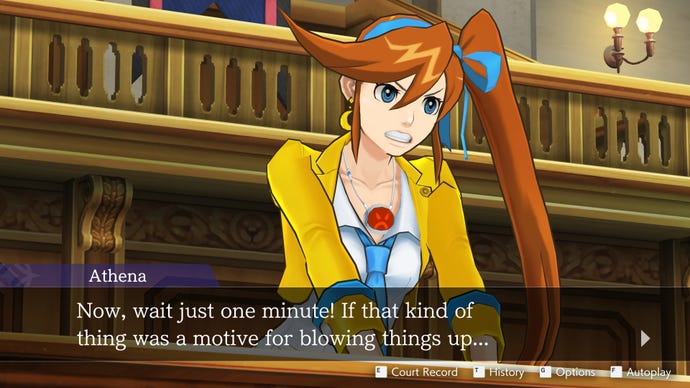
Athena Cykes is another new character introduced in Dual Destinies, and her AI mood pendant Widget can identify when someone’s demeanour doesn’t match the emotions present in their voice. |Image credit:Rock Paper Shotgun/Capcom
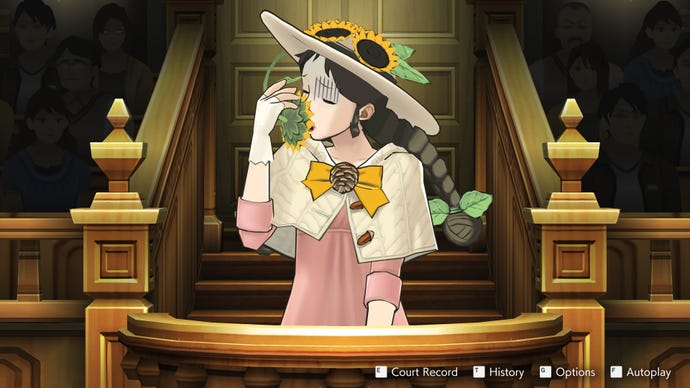
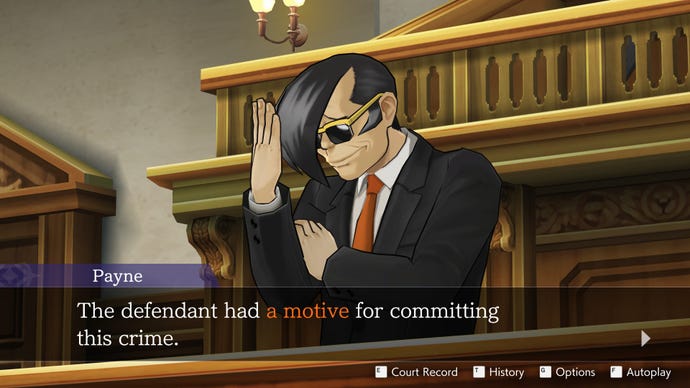
In many ways, the rollercoaster ride each case takes you on is just as thrilling and exciting as any other episode in the Ace Attorney series - and after playing the first two cases of each game as part of a new preview build, the plotting feels just as tight as it did all those years ago. But the early cases always have a certain zip to them as a matter of course - they’ve got to get you fully invested in both these characters and the idea of its court battles as quickly as possible, and their relative brevity continues to cast a powerful spell on how they’re initially perceived.
I say this because, for some, there’s a reason why Apollo’s tenure isn’t as well regarded in certain fan circles, and it’s got nothing to do with its art, or its choice of protagonist. Rather, it’s all down to the series' increasing reliance on gimmicks and magical tomfoolery to make breaks in your casework rather than good old-fashioned deduction. Sure, it’s not like previous Ace Attorney games didn’t also dabble in the supernatural - Justice For All and Trials And Tribulations both saw players use Phoenix’s special magatama beads in conjunction with specific pieces of evidence to break through invisible ‘psyche-locks’ on particularly tight-lipped suspects - but Ace Attorneys 4-6 really doubled down on all this.
Image credit:Rock Paper Shotgun/Capcom
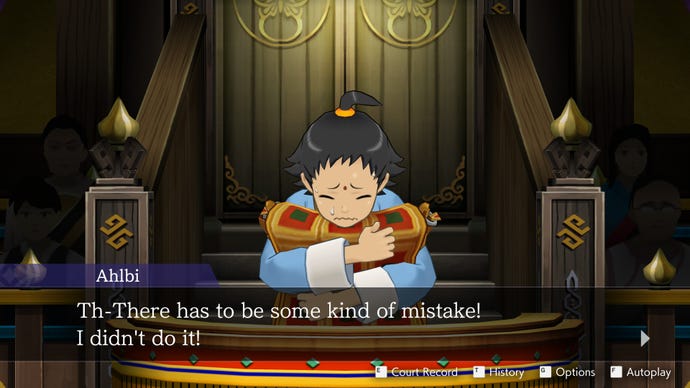
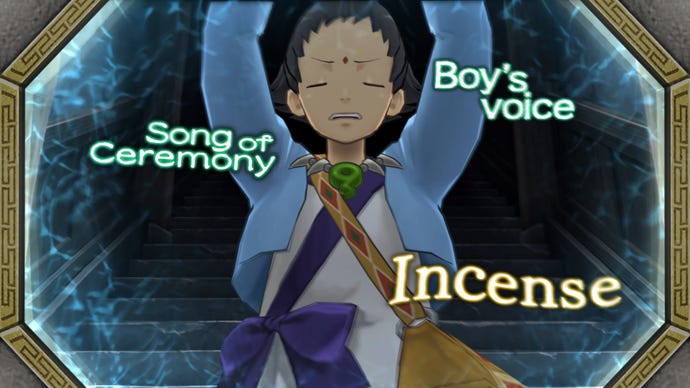
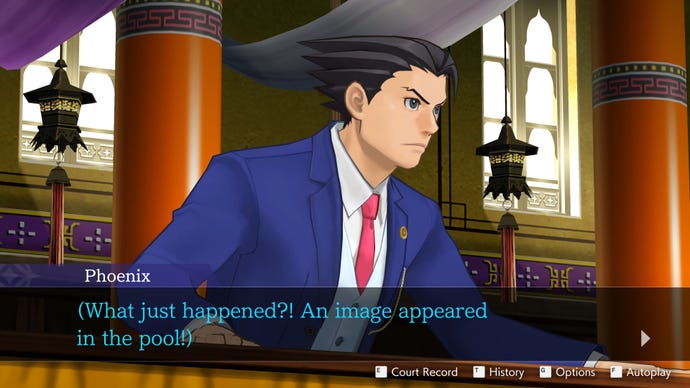
Divination Seances are the marquee feature in Spirit Of Justice, and many of them appear quite damning at first glance. |Image credit:Rock Paper Shotgun/Capcom